Thank you for coming cancer, and thank you for leaving.
MY CANCER STORY IN A NUTSHELL (as of October 2024)
In January of 2019 I got a call from my doctor saying they found a lump the size of a lime in my lung, and several swollen lymph nodes. It was likely lung cancer. I told my doctor she must be mistaken- I was in total shock. What should I do to prepare? How do I fight this? She said “enjoy your family, and fresh air...while I can. Maybe you will be lucky and be able to remove a lung.” She didn’t understand my question. I wanted to know how to get ready for the fight for my life.
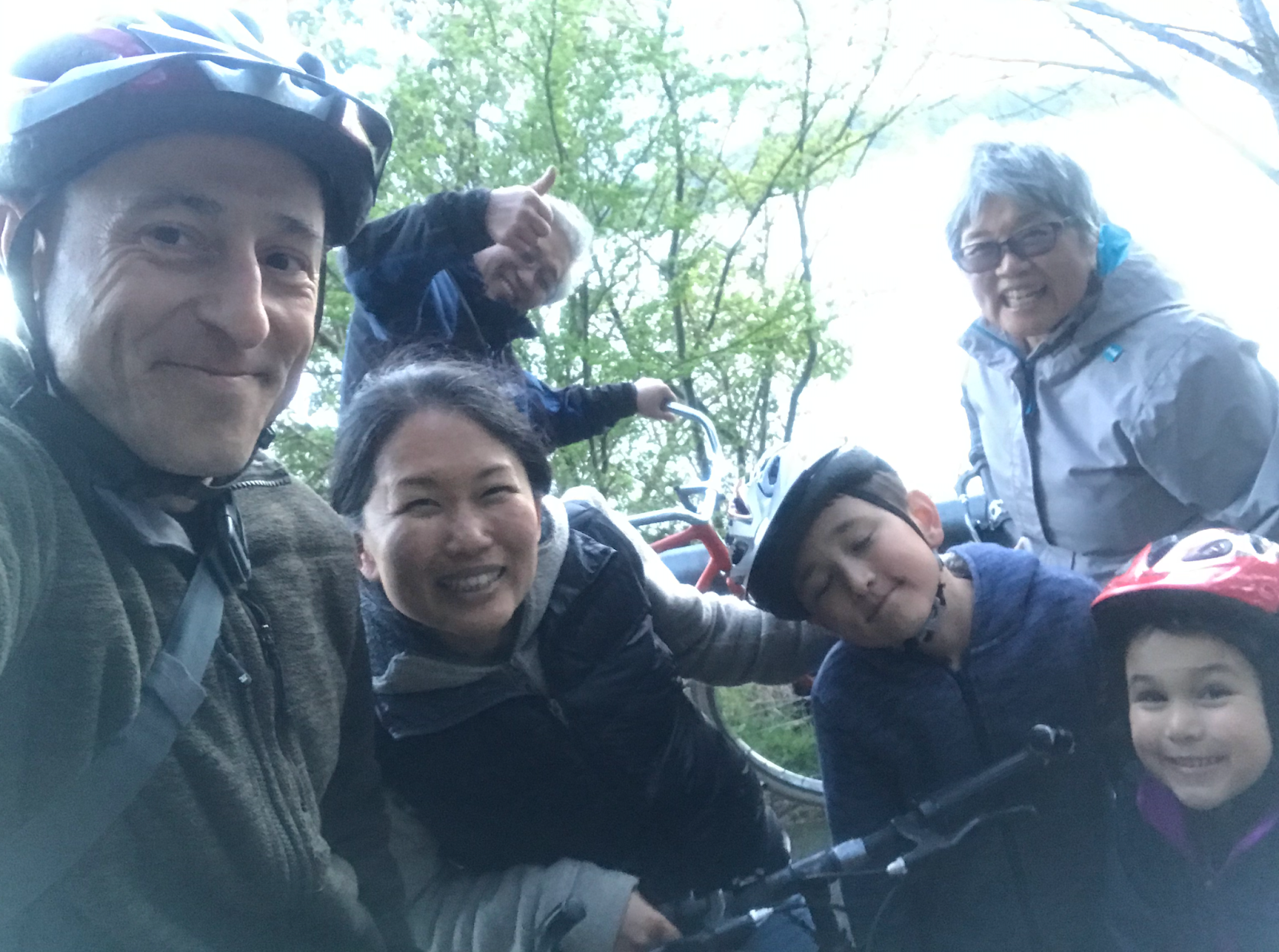
I was 38 years old, had been playing in a basketball league (yes, all 5’4” of me), and was feeling pretty damn good overall, just a little cough that was diagnosed as pneumonia from Acid Reflux. I had just been wrestling around with my 8 and 5 year old children when the call came in that forever changed the course of my life. My doctor was crying when she told me to “I’m sorry. It doesn’t look good, not at all. I recommend you go spend time with your family and breathe some fresh air while you can”. I called my wife, a high school teacher and my hero, who left her class and immediately came home. We cried together, dumbfounded, completely overwhelmed by a million emotions, terrified. I am a somewhat anti-social person- I mean I love my people but literally at this moment I’ve bailed on a little party to hide out and write. And yet one of my first solid reactions to the news was a deep desire to invite all of our friends and family over for some sort of celebration of life party?! Then I decided screw this, I love life, and am not going to die anytime soon. I got out our bikes, and our family went on a ride in the rain, blasted some music on a little speaker, and ate cookies at a park.
Two weeks later a biopsy confirmed that I had non-small cell squamous lung cancer, as well as a collapsed lung. We rounded up the kids and went to a favorite park of ours, where we all ran around like kids, then saw two eagles dancing above us. I felt like we were in the right place. I made a wish that I would live to be a grandfather. Both of my grandfathers died before they could meet me.
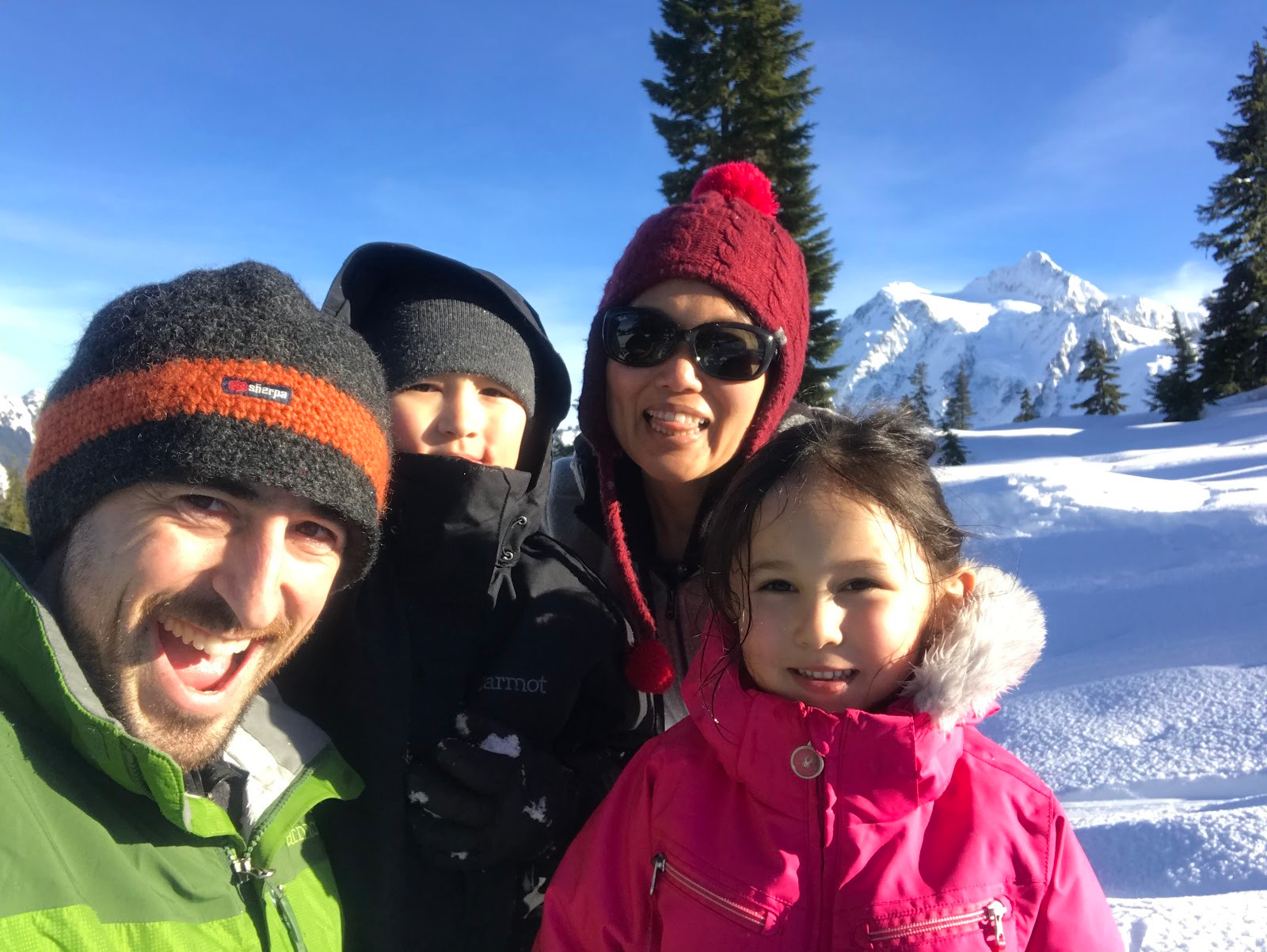
A few days later I had a PET Scan, and when I entered the doctor’s office for the results, I told him that while I’m of course hoping for good news, I am ready for the worst and I want you to know that I will fight this and overcome it. He told me that was a good segue because in fact, my cancer was stage 4 and we would need to begin chemo ASAP. I understood exactly what that meant. Statistically it was a death sentence, though he did say that miracles can happen. It seemed that each doctor’s appointment we had kept bringing in worse and worse news. We decided to go to Bellingham, went to a Stomp concert, then played in the snow at Mt Baker. I’m not sure why my first impulse was to celebrate life, maybe it was as simple as doing it while I can, making every second count. But looking back I realize I was sending a clear message to myself, and to cancer, that I wasn’t going to passively wait for a miracle to happen. I was going to face this head first, and do anything and everything possible to earn this so-called miracle.
The next day, a Saturday, our doctor called to tell me the first bit of good news I had in what felt like forever. My brain MRI came back clean. Despite popular belief, my brain had absolutely nothing wrong with it! We took it as a sign that the tides were finally turning, and from here on out we would turn this ship around.
And so the fight started. My amazing wife, Tracy, began researching diet, supplements, tea, and so on, and the next thing I knew, our pantry and fridge were wiped of basically every bit of food I loved. Out with cereal, tortillas, cheese, flour, sugar, milk, pasta, anything not organic, anything that I generally considered soul food. In with the kale, cauliflower, brazil nuts, parsely, almond milk, nutritional yeast and basically everything I used to tease my vegan friends about. Going to the store was terrible- everything suddenly seemed dangerous. I literally had to learn to shop again, to eat again. Our house is heated primarily by a wood stove, for which I had just chopped and stacked 3 cords of wood. When I got home after learning I had cancer I went to start a fire- it was dead of winter after all. For some weird reason the stove pipe decided to reverse it’s draw and instead filled the house with smoke. As our fire alarm went off, I went outside and stood in the rain and just fucking lost it. What kind of cruel joke was this?! Now I can’t even heat the house for my wife and small children. I can’t eat, I can’t sleep, I feel like shit, and everything I love seems to cause cancer. It was a low moment to say the least.
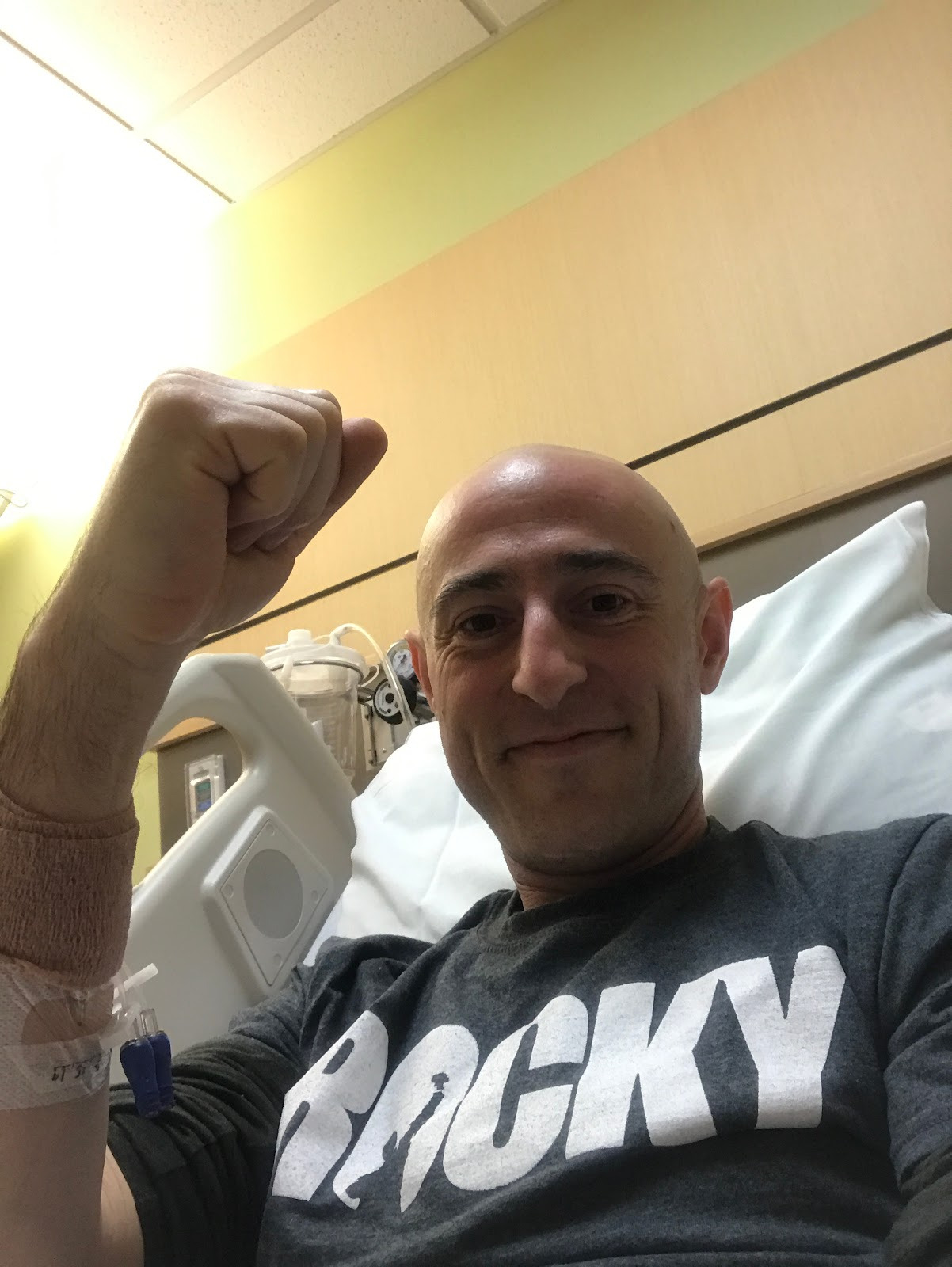
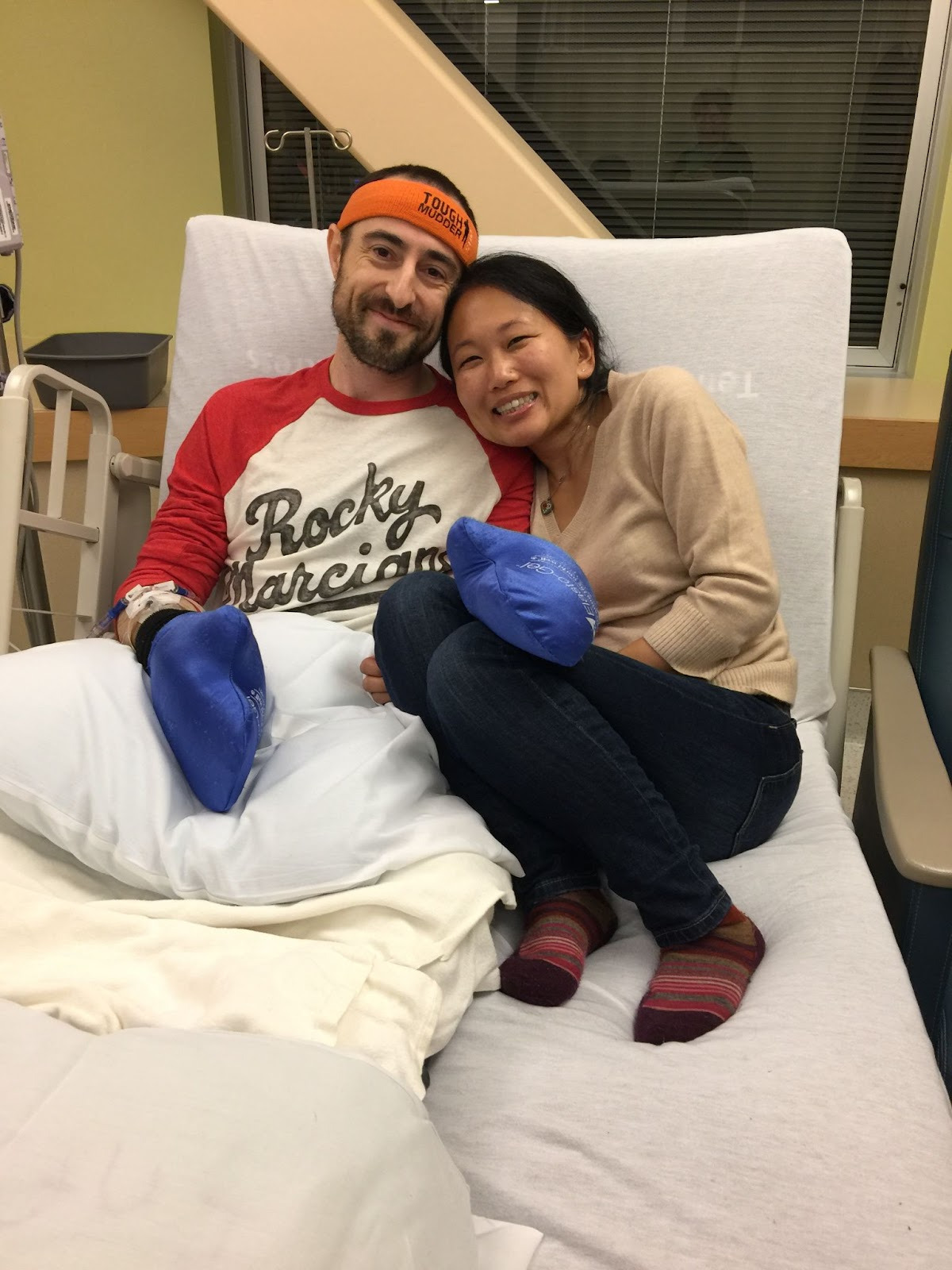
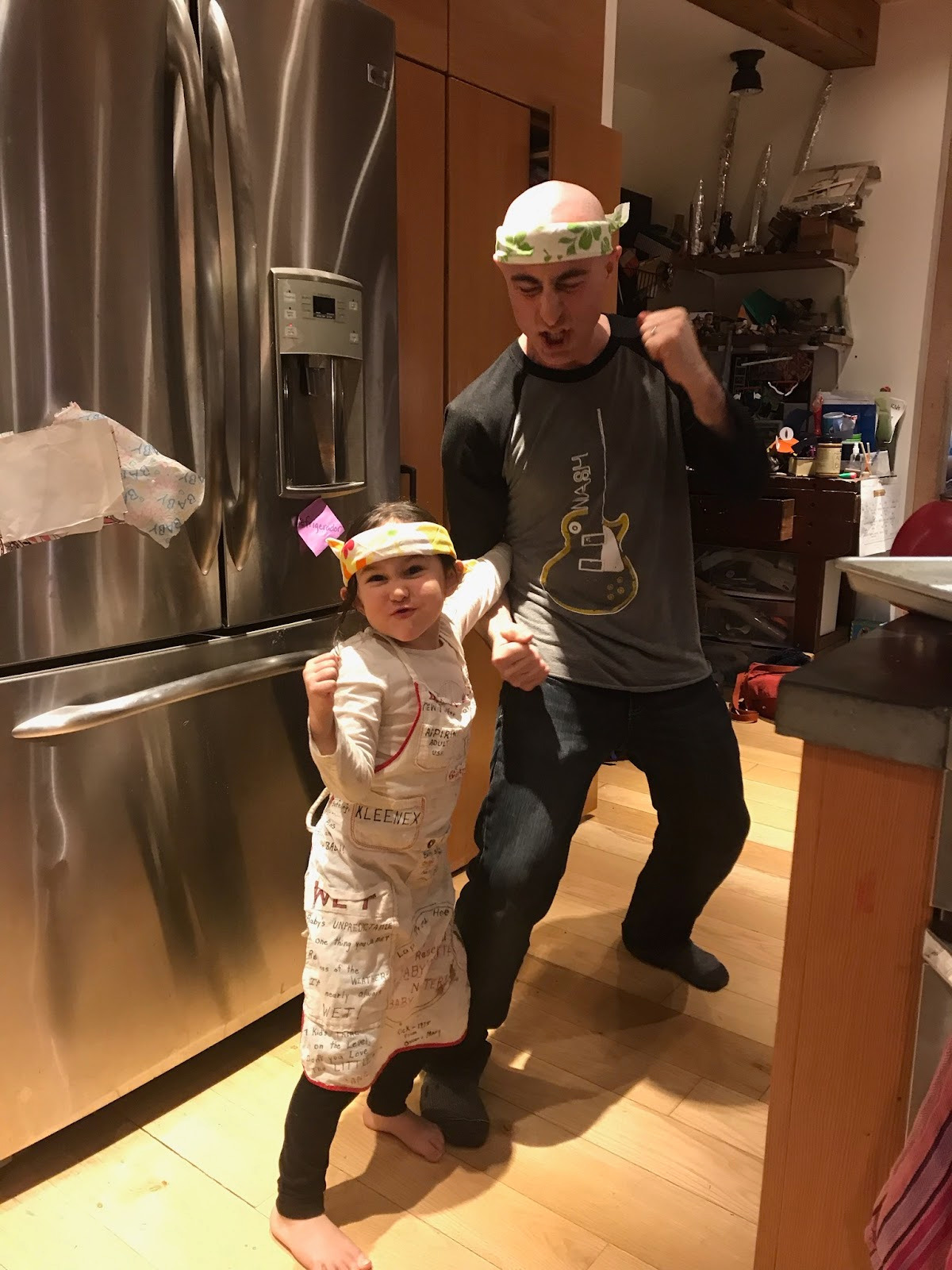
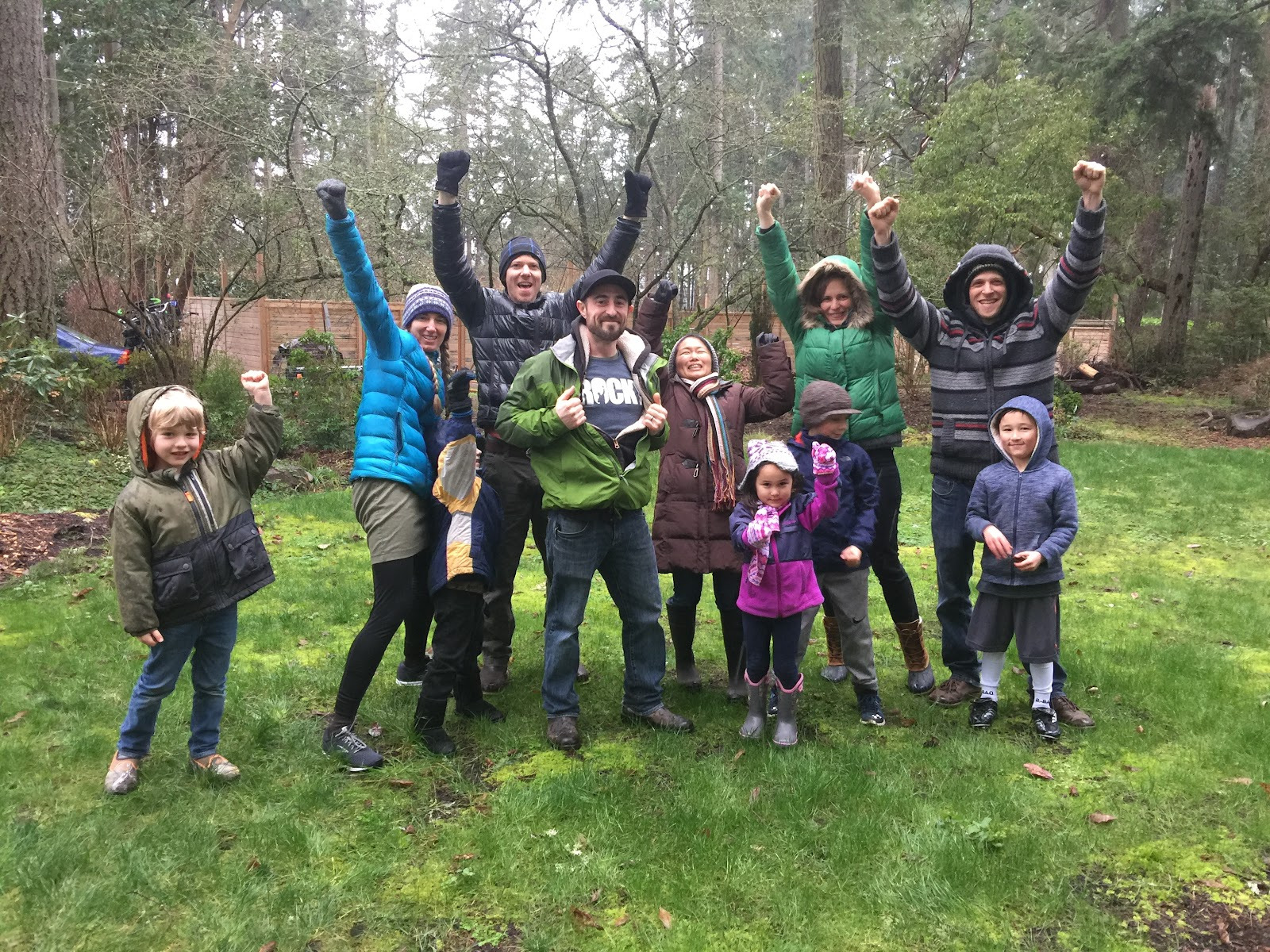
I was dubbed Rocky by my friends and family, made a playlist with the Rocky soundtrack, got a Rocky t-shirt and I began chemotherapy a few days later, with a 6 hr session pumping my veins full of Carboplatin, Paclitaxel, and Pembrolizumab. I tried to envision the chemo as a hurricane hurtling through my body, laying waste to everything in its path. I told my body, my white blood cells, to lay low in the mud, cover itself and wait, while I told the cancer to relent and let itself be washed away. After three days, I told my body, you can get back up and rebuild. I wrapped my hands and feet in ice for most of the infusion to avoid neuropathy, while Tracy sat by my side and kept me company, researching recipes. She has stood by my side every step of the journey, and has been my constant support. My mom once said that if she put a pile of sawdust on a plate and told me it would cure cancer, I’d eat it. It’s true, I have the attitude but she has given me the tools to survive. I owe her everything.
Especially during the first couple of months, the more we learned the more I had to give up. Cereal, alcohol, coffee, anything with flour, dairy, our fireplace, tv, basically any type of construction. I was left with kale, matcha tea, raw vegetables, almond milk, space heaters, air filters, books and walks. I tried to stay in good spirits, and sometimes just put on a front to keep myself from self pity. It was a methodical, daily removal of precious comforts to be replaced with us experimenting with some sort of substitute. It was a trying process, but looking back now I honestly believe I’ve gained much more than I lost. Now that we’ve dialed in our recipes, food tastes better. I just plain feel better- my energy levels are consistently higher. My hair is darker, shinier. My wounds heal faster.
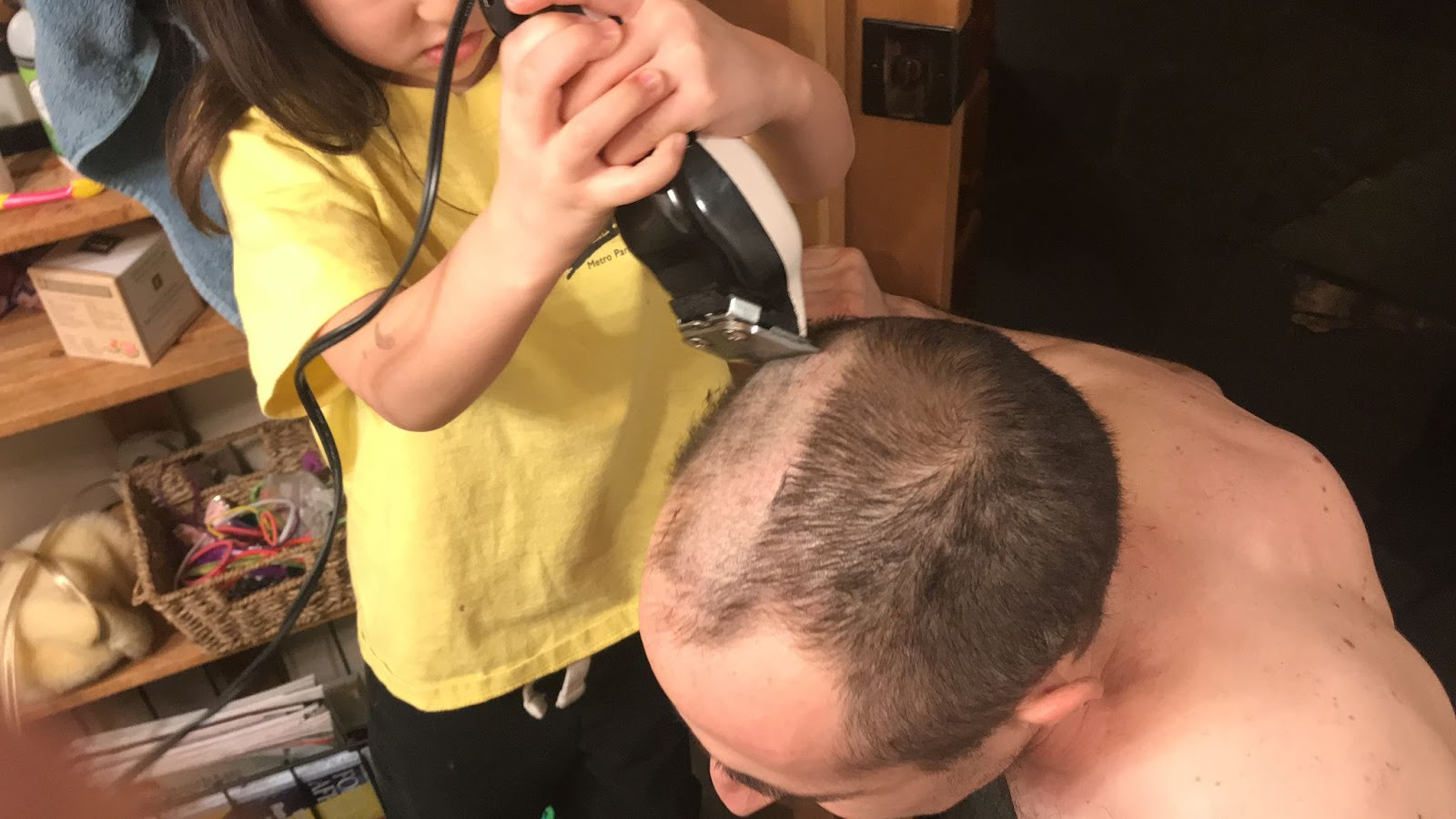
After the second infusion, my hair began to fall out. As I shaved it (actually my 5 yr old daughter helped with that!) to the skin, I didn’t even recognize myself in the mirror anymore. And I wasn’t sure that I would ever see my old self again. I swept up the hair on the ground, threw it away, and it felt like I truly was losing my vitality. I looked like the still married version of Jeff Bezos. Not Sylvester Stallone in his prime.
Just before the third round of chemo, we had a CT scan (I say we on purpose- cancer is not just your story, it belongs to everyone who loves you). I was feeling better-my breathing had lightened up, and my diet and healthy lifestyle really gave me clarity and energy. But I still had no idea what to expect. Before starting chemo, my doctor told me that if the cancer doesn’t grow, that’s a big victory. Well on our way to get the results, Seattle traffic just ground us to a halt, only adding to our extreme stress and anxiety, and we arrived 45 minutes late to our appointment. And yet our doctor and our PA were not fazed at all. In fact they were smiling, as the scan showed that everything had shrunk by 50%, and they couldn’t wait to share!!! Of course our doctor, who always felt a responsibility to keep us “grounded”, emphasized that they often see a reduction in tumor size the first scan, but then the cancer tends to become resistant. As a scientist, he was sure it was the chemo, not anything we were doing. Of course.
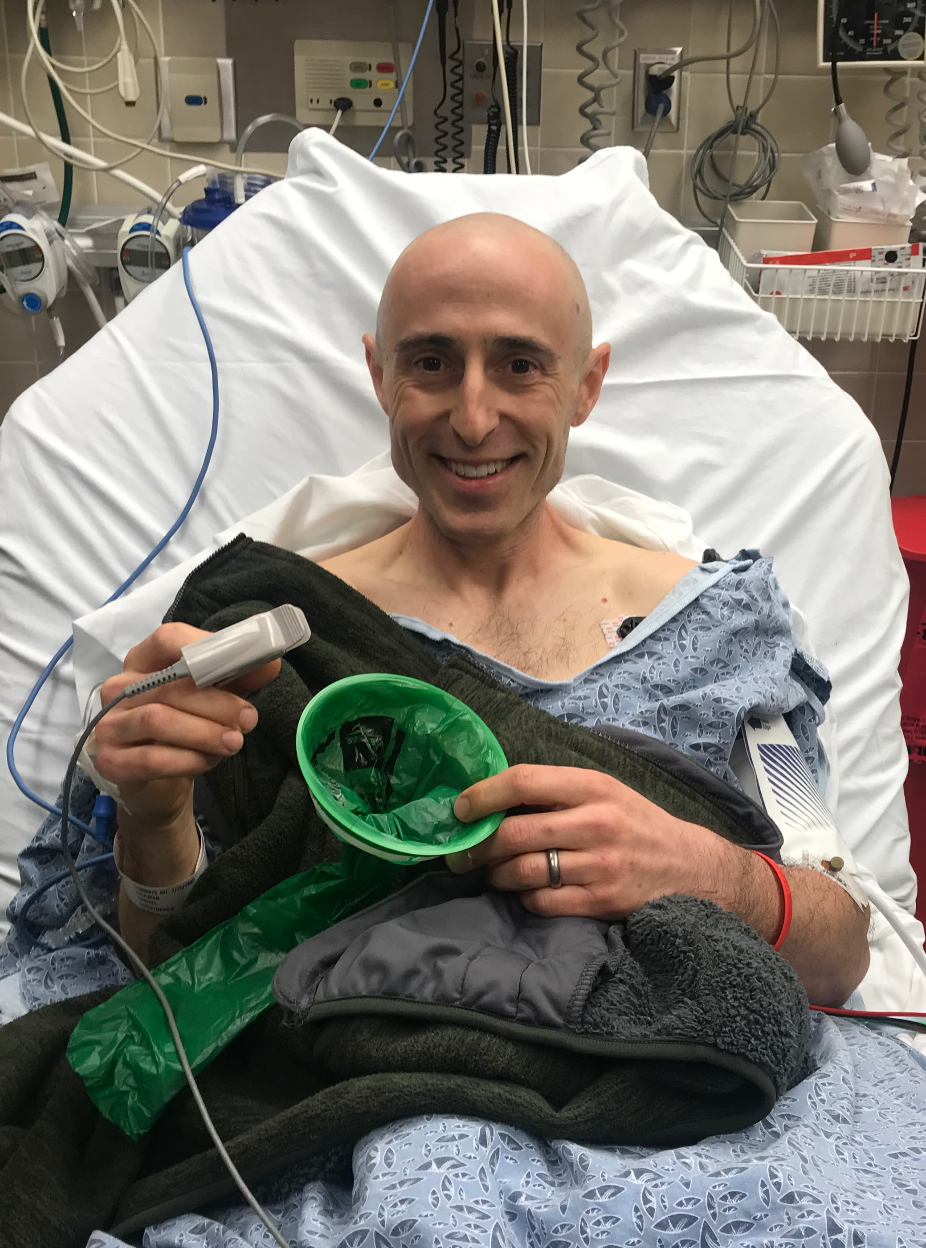
After the third round, things went south, big time. I felt more nauseous than normal, and woke up a couple days after treatment with my vision gone blurry. I saw my optometrist, then an opthamologist, who both said either I’m pregnant, or my blood sugars are really high. I told my doctor, who said to continue to monitor it. Bad advice doc, cause as it turned out, I was going through DKA (what happens when your insulin stops working and you don’t know it). Two nights later, it hit hard. I began throwing up, and continued so much so that I lost 24 lbs in 36 hours. My sister, a pediatric nurse, drove up in the middle of the night with some IV bags. She miraculously found a vein in my completely dehydrated body and began rehydrating me. This is not an overstatement that she saved my life. Thanks sis! Next thing I knew I was in an ambulance, sirens blaring, heading to the ER. I then spent the next four nights in the ICU, getting poked literally hundreds of times as nurses tried to find my previously robust, now severely shrunken veins. My throat was demolished from all the regurgitated stomach acid. Even sucking on ice hurt to swallow. I have never been so thirsty in all my life, and the only way I could drink was through IV saline. I didn’t eat for six days in all, I was literally a fraction of my former self. At one point, five doctors came in at the same time to remark how incredible it was that I was doing as well as I was. “Huh?” I said. Apparently my blood glucose was at 900, and my body’s acidity was below 7.0. At that point it occurred to me for the first time that I nearly died. If my sister hadn’t brought those two bags of saline...well let’s just say she saved my life.
On day 6, the doctor said I could eat something. Thank god, I don’t think I’ve ever been so hungry in my life. Another cruel twist, my esophagus was still destroyed, but to make it worse so were my taste buds. So anything I tried to swallow, including water tasted like rotting fish. A day later, more like sweaty socks, A few days after that, just normal socks. It wasn’t for about three weeks that I could eat somewhat normally again.
And that is an understatement. I sit here today in remission from cancer. But there was collateral damage for sure, which if you talk with other cancer survivors is to be expected. For me, I walked out of the ICU with Type 1 Diabetes. Eating has never been the same- as I count carbs and check my blood sugar, I am constantly reminded of how close I came to death that night.
So immunotherapy and chemo seemed to be working, but now I was at a crossroads. The Keytruda had reacted with me in a way that my immune system attacked my own pancreas, destroying all of it’s insulin producing beta cells. It was likely that if I continued with it I would have high risk of further damage to my endocrine system, increasing the risk of any autoimmune disease. Everything was going so well, what we were doing was working, and now...now what?! Our doctor recommended taking a break, and even though I was kind of hoping he’d say that, I was completely scared out of my mind. Like the anchor had been cut and we were now set adrift with no western medicine to help. I was also PISSED- not only should I have avoided nearly dying and a week of hell, but our doctor didn’t own up to his oversight, and only allotted ten minutes for what I considered to be the most important meeting of my life. So be it, we would seek as many opinions as we could.
Look, there is no right or wrong way to react to things like learning you have been diagnosed with a terminal illness. This is apparently how I’m wired. I love life, and want to grow old. I am pragmatic and don’t like to talk about problems, I want to turn wrenches and fix them. I view cancer as the best worst time of my life. It was terrible, scary and exhausting, but also overflowing with love and support and magic.
However you react is yours, it is true to you, and it is right. After your initial gut reaction then you have a choice of how you will proceed. I can’t tell you what is right, but I can share my story, in hopes that you may find something that will help you along your journey.
MY REACTION TO GETTING CANCER
First of all, I was a complete and total wreck. I couldn’t sneeze without crying. I couldn’t sleep, I didn’t know how to eat, I felt like I had let down my kids and community. A total emotional wreck.
Please understand that for me cancer has been a terrible burden, but also a great gift. Life will never be the same, everything will be brighter, scarier, more meaningful, powerful. I describe this whole process as the best worst time of my life.
I allowed myself to believe that I could heal from this, and it could happen quickly. I ask a lot of my body, but I tried my very best to give it the tools and guidance it needs.
I tried to always focus on the positive in my life, even when my doctors and statistics said otherwise. I believe my attitude set the tone for my family and community, and created an environment of hope, not sympathy. I only paid attention to success stories and avoided looking at outdated stats. They weren’t about Gabe. My family and friends were more than happy to research and give me filtered pertinent info. I literally googled lung cancer stage 4 only once, saw some stats that I decided weren’t about me, and never paid attention to any of it thereafter.
I got my shit together in case things went sour. My will, my finances, my passwords, whatever I could. I did not want to die and leave a web of craziness for my wife. Despite me believing I was going to make it through, I believe you should always hope for the best but prepare for the worst. I can’t say I dotted every i, but I did enough to where it relieved my background anxiety so I could focus on the present. I figured that I would know when it was time to stop fighting and focus on quality of life, and I’d cross that bridge when I got there.
Speaking of community- they/we want to help. You may be like me, not great at asking for or accepting help, or opening up. I tried to be an open book and share my story as honestly as possible, and didn’t let cancer be the elephant in the room. The more I could focus on my body, diet, attitude, and the love in my life, the better and more energetic I felt. I let people in as part of my healing team, and their love and prayers helped buoy me during my many low times. I really believe that when you get sick, so does your community.
I focused on my purpose. For me it is as simple as raising my children, becoming a grandfather, and growing old with my wife. I envision helping my grandkids climb an apple tree (that I had just planted in defiance of my diagnosis). It’s not about changing the world, it’s really just being a part of it.
During the first couple of months, I felt every human emotion, multiplied exponentially, all at once. The fear, anger, numbness, doubt, love, passion, and everything else overwhelmed and stressed me out. At one point, I had a revelation that these tidal waves of emotions are actually stemming from my love of life, and that I must figure out how to channel this into fighting for my life. These same emotions that can wreck you and leave you paralyzed with anxiety are the same ones that will help you have the strength to make good decisions on a daily basis.
I try to be open to any possible solution. Weird is the new normal, and fate is now taking you for a ride. I’m talking food, mind-body stuff, whatever. Here’s the golden rule: if it can’t hurt and might help, I would try it.
A cancer survivor gave me some advice and said to remember always that you are the victor, not the victim. You didn’t ask for this journey, but you are now a warrior- it is not time to feel sorry for yourself, it’s time to suit up and win back your life.
First of all, you need to decide if you really want to beat cancer, knowing that means you will be willing to push yourself to get rid of all sorts of bad habits and familiar comforts. If you feel like you would do anything to live, to be a warrior, a survivor, then you have hope. I decided right away that even if I may not be able to beat cancer, I would go down swinging. I wanted my children and wife to know they were worth fighting for. For me I had to learn what fighting cancer meant.
At first I was angry, very angry, and I wanted to demolish, kill, and destroy cancer. It was not me, it was an intruder, a parasite. (As I said, embrace the weird) I talked to my body a lot, and began to understand that cancer is in fact a part of me, even more so, it is me. But what that did was allow me to understand that I can also talk to cancer- we speak the same language. It does not want to kill me, its host, it simply wants to live. Once I had this revelation, I convinced my cancerous cells to let go, be deconstructed. Some parts of it would be flushed out, but the rest would be recycled as healthy proteins and become vibrant growth for my healthy body. To sum it up, I believe that fighting cancer is not killing it, it is loving it. It is taking anger, and using it to make healthy choices, big and little, about food, health, attitude, exercise habits. Fighting means enduring chemo and radiation, losing familiar comforts, feeling like shit in general, and not knowing if or when it will ever be over, and still finding room in your heart to love and to laugh. To envision yourself healthy, older, and happy. To focus on the positive, recognize the beauty all around you, and be grateful for every minute and every person around you. To be able to laugh at your situation. To let people help you so you can focus on what’s important. To exercise even/especially if you don’t feel like it. To ask your body what it needs, even if it seems weird. To not feel sorry for yourself-no matter how bad you have it, someone else has it worse. To know that sometimes you will be weak, and get off track. To know that even if the situation gets worse, you have the capacity and will to work twice as hard.
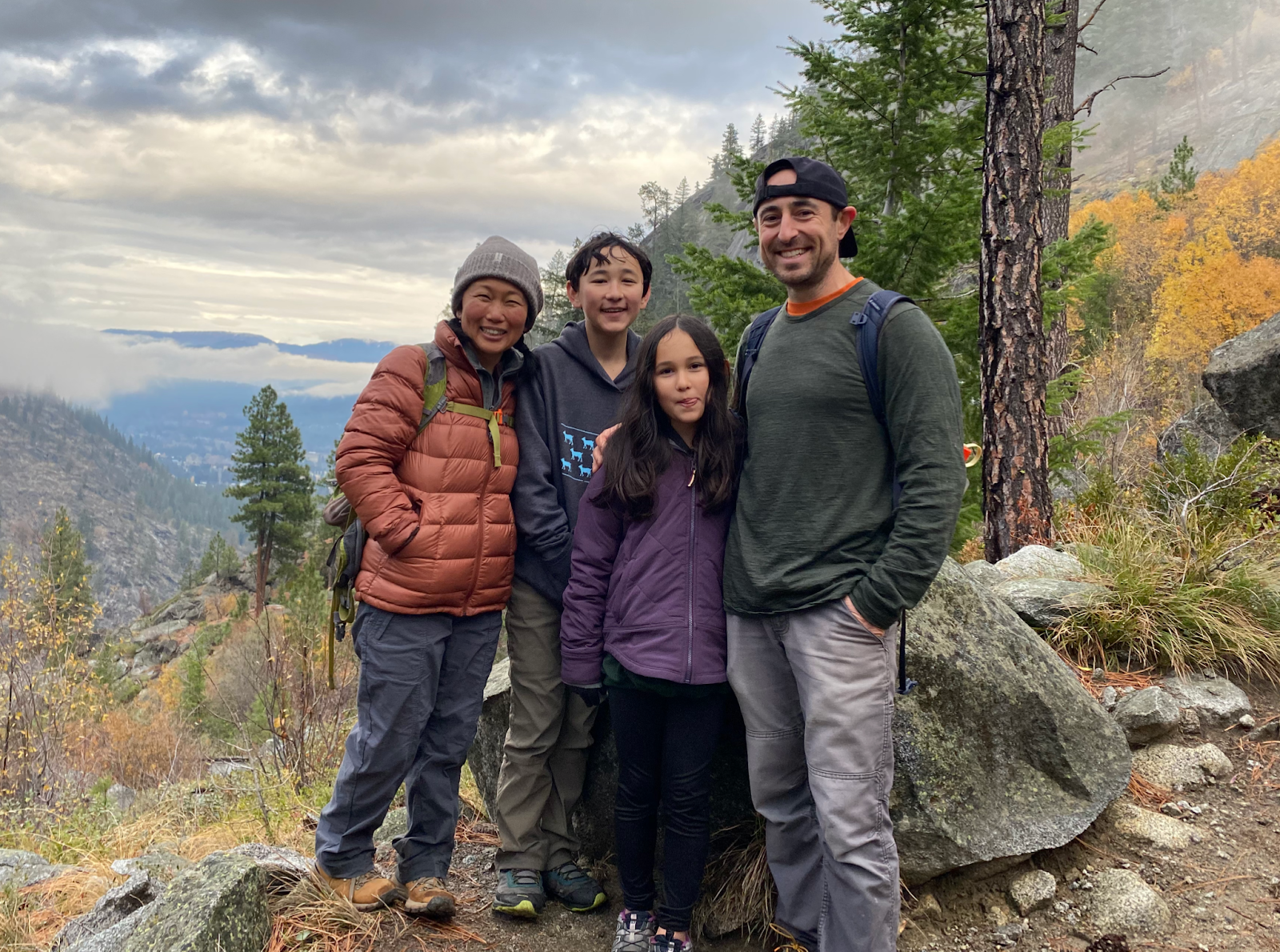
Just a few days ago, I had a clean scan, and marked officially a year of being squeaky clean of cancer. All signs of it, the lime sized tumor, the swollen lymphnodes, everything has vanished. I can’t begin to describe how thrilled my family and I are, and also how surreal the trip has been. Honestly, it’s strange to begin to feel normal again. I’m still pretty disciplined with my diet and lifestyle now, but these habits are way more natural now, and not so hard to keep up with. I know as long as I am alive, cancer still lurks and I need to keep moving forward. I can never let up. I can never forget. This is a marathon, and I understand that I can’t go back to my old life and habits- I’ll be on my anti-cancer diet, getting scans, doing Qi Gong, and everything else for the rest of my life. It’s inconvenient, but it’s worth it.
IF IT DOESN’T HURT AND MIGHT HELP, DO IT.
You are asking a lot of your body. You need to give it the tools to succeed. This means you need to make hundreds of good little decisions every day. You will have to give up some things you love, but the good news is you can usually replace them with decent alternatives.
IF IT MIGHT HURT AND DOESN’T HELP, GOODBYE!
This was/is a hard part for me. No sugar, no cereal (actually I found a way to eat it again! - almond milk and Ezekiel cereal w/dried fruit, FYI), no wood stove, no alcohol, no meat, no dairy, no building projects, no spicy food, and on and on! It felt like every day something precious to me was taken away. But what I learned was that most things had a solid alternative, and old routines were quickly replaced with newer healthier routines.
Like I said before, fighting means consistently making good choices, no matter how small they may seem. It all adds up. Cancer can’t grow if you don’t give it what it needs.
POWER OF BELIEF
Ignore stats, and doctor’s prognosis- focus on success stories.
Learn how the body works. For example, cancer cells have certain Y-shaped proteins that normally ward off white blood cells, but I envision my immune system overwhelming the cancerous cells and breaking through, eventually popping the cancer cell, which is then cleared out. I envision surges of white blood cells then making every area squeaky clean.
The moment I was told I had cancer, I deep down in my heart knew I would beat it. I don’t think that’s normal, but from stories I’ve heard and read, it’s never too late to change your mindset and turn things around. Honestly, read Radical Remission, or watch the movie, “Heal” for plenty of inspirational case studies. While I was soberingly aware of how most cases went, I chose to focus only on success stories. My doctor felt like he had a responsibility to let me know that I was basically being unrealistic, and I can appreciate where he was coming from- but frankly, I didn’t think he was right.
BE AN OPEN BOOK AND ACCEPT HELP
I’ve never been good at delegating or accepting help. I’m pretty independent, and I don’t like to admit if I’m sick or hurt. But I decided early on to tell everyone and let them in. Let them visit and text, and call and send letters or bring food. I realize almost everyone has had cancer impact their lives, and not only did I feel closer for sharing and listening, but I also picked up a ton of tips along the way, from the best doctors, to recipes, to coping with chemo. I truly believe you are a burden to others if you don’t accept their help. Think about it like this: if your friend had cancer, what wouldn’t you do for them?
The more people helping you the less stress you have. Cancer loves stress and anxiety.
When you open up to others, they open up to you, and you can pick up a lot of good advice, hear other survivor stories, and- it just feels good to connect with people.
I keep a small glass heart in my pocket, and it constantly reminds me that people care for me, which gives me strength to make good small decisions.
Maybe prayers do help? They certainly don’t hurt.
I want to just take a second and give a shout out to my people, starting with my wife and soulmate, Tracy, who was there every step of the way, who stayed up late cooking, cleaning and taking care of the kids. Who researched and changed many of her habits to support our new lifestyle together. And to my mom, who prayed, visited, cooked, called, hugged, and was just there for me the whole time. Also to my brothers and sisters, who were so present and supportive, helping me to research, learn how to eat again, and kept my spirits buoyed when I sank low. To Martin and the Sage and Stone team, who ran the company without me, and sheltered me from who knows how much stress! Also to my in-laws, who would give the shirts off their backs and helped babysit, cook, clean, weedwack- anything that would help. To my friends and community, who sent letters, brought food, money, daily texts, books for our kids, and so much more. Thank you all for the role you played, and the love you shared.
HOW TO DEAL WITH THE MEDICAL SYSTEM
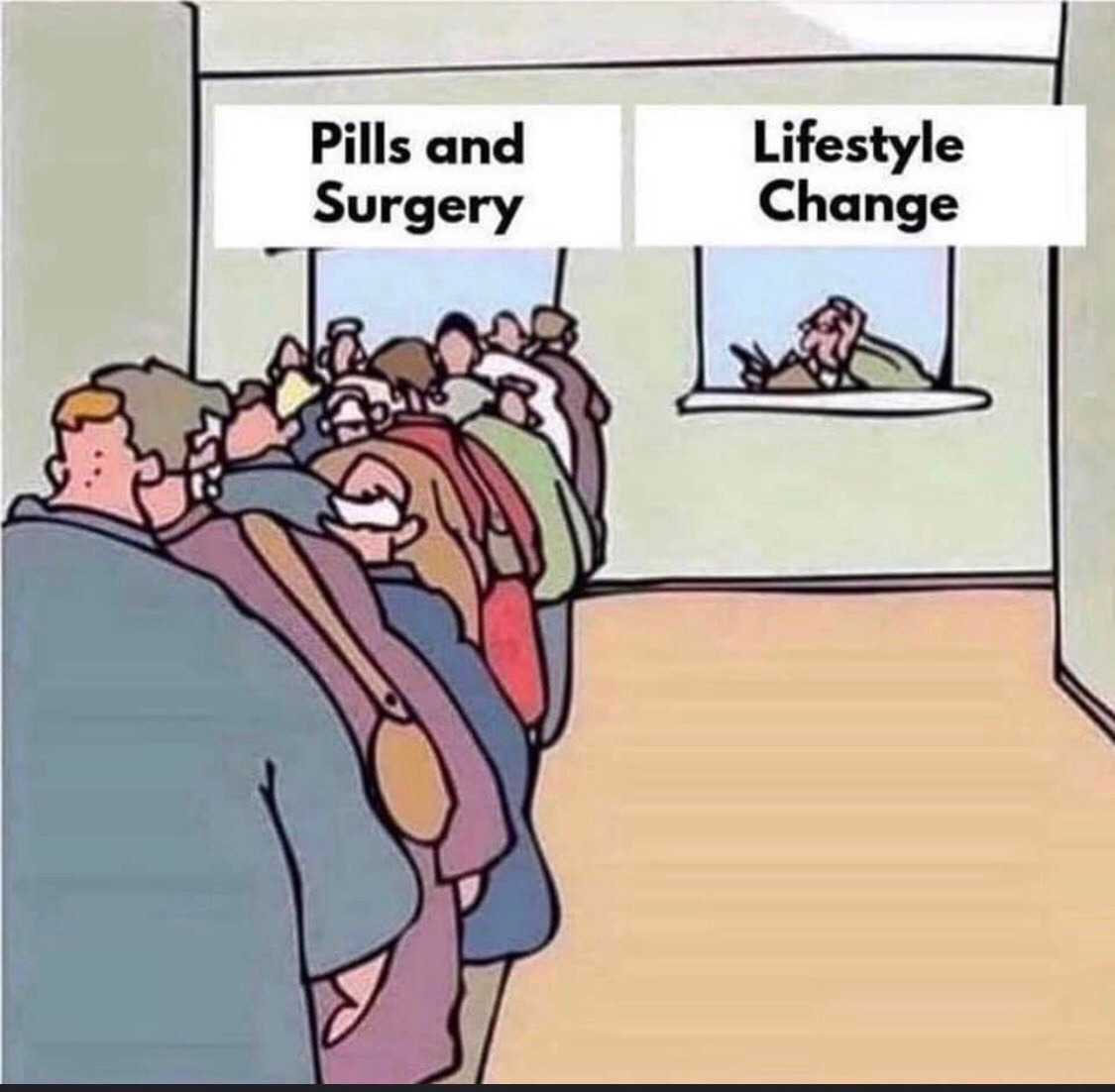
To beat cancer, western medicine alone probably isn’t enough. When I asked what I can do to increase my chances of survival, they said don’t lose weight. I was appalled at the low standards/expectations they had for me as a patient. I mean, my doctor told me it’s ok to eat Krispy Kreme donuts everyday. From their point of view, the studies don’t clearly prove that kale smoothies and good attitudes help. I was, and I am, still deeply frustrated that common sense seems to be completely ignored by most doctors I worked with.
I have generally assumed doctors to be the smartest people in the room. I want to just trust that my doctor knows best and has time to really get to know me and come up with a custom treatment plan. But the fact is they are busy, they are highly specialized, they don’t want to mess up the data on their studies with variables, and they are afraid of lawsuits. At the end of the day, you are your best advocate. No single doctor knows everything. You know yourself best. Studies are great, but are super limited. Ask questions, get as many opinions as your insurance will pay for. Remember always, pain in the ass patients are the ones that survive.
Also understand that your doctor has a really emotionally difficult job. They are doing their best, even if they couldn’t meet all of my needs. They are a part of my healing team, and that is enough, and I am grateful for the role they play.
Talk with at least one naturopath immediately. If you can, talk to three. I know I learned something valuable from each person I met with, or at least would know something was legitimate if they all recommended it. The main goal of a naturopath is to get a handle on foods to eat, a supplement plan, and to get prepared for treatment. I learned things like eating lots of seaweed and miso during radiation helps reduce side effects. Or glucosamine supplements are essential to rebuilding tissue and maintaining muscle mass if using Paclitaxol, which robs the body of amino acids. Or that wearing cryogenic mitts during chemo can prevent Neuropathy. The list goes on, and a good naturopath, especially ones with experience in oncology really helped gear me up for battle. I’d also recommend setting up follow up appointments shortly after infusions so they can understand and help minimize side effects.
Meet with a nutritionist. They helped me come up with a diet plan and answered any specific questions, like just how bad is coffee? Or french fries? Plus it’s just nice to talk with someone in real life about food. There is way too much info out there on the internet.
Talk with another Oncologist, Radiology Oncologist, etc. Again, check to see if they would recommend the same treatment plan. If different, why? What side-effects should you be looking out for, and any guidance on prevention?
Sign up for Acupuncture- (especially if your insurance pays for it) this is just a really relaxing, centering practice that always leaves me feeling amazing afterwards every time. Spiritually enriching, and helped me listen to my body, and treat it to something really nice.
Get educated on the infusion drugs you are taking. NCBI and some other databases have lots of studies on there regarding rare side effects, etc. I wish I would have researched it more ahead of time- I may have been able to avoid going through DKA, and nearly dying. I was lucky in that my brother and sister are both in the medical field, and they helped me research all sorts of stuff.
Communicate often with your doctor about any symptoms you are experiencing, and don’t downplay them (that’s what I tend to do, anyways).
Again, be a pain in the ass patient. I told my doctors to have really high expectations for me, and I had high expectations of them. My team was not used to explaining what each drug physically was doing, but it helped me visualize the process and help me to know what to ask of my body to make the most of the treatment.
INSTINCTS and TALKING TO YOUR BODY
Dr Pujari, pretty much my favorite doctor/naturopath ever, told me that listening to your instincts is perhaps the most important thing you can do for your health. Your body is the result of thousands of generations of survivors, and all of their lessons are somehow stored in your circuitry. In fact, I realize this is a little out there, but I believe that instincts are, in a way, your ancestors trying to help you make a good decision. In our fast paced world, most of us have forgotten how to listen to our own body, which is far wiser than we understand.
When you hear the term “trust your gut”, understand that your gut has more than 100 million nerve endings, and is basically a primal brain in itself.
Talking to your body really needs to start by listening to it. My simple explanation is that talking to your body simply means you are connecting the front part of your brain with the primitive rear part, along with your body. When these are all synced, that is when the magic happens. That is when the knowledge you’ve gained from research and doctors combines with your body’s ability to heal and you can direct it to focus on specific tasks. You then will ask your body what it needs to do this, and it will listen. Often I felt like I needed to ask over and over, “what do you need, body?”. But eventually I would “hear” a “rest”, or “mountain air” or “kale”, and occasionally a “chocolate chip cookie” may sneak it’s way in there! Please bear in mind, I am not trained in this, just do what feels right to me, and I still feel a little crazy admitting that I talk to myself. But whatever, I am beating cancer, so screw it!
To help visualize what to ask of your body, get educated. That frontal lobe needs to earn its place as part of your healing team. I tried to read up, asked my doctor to draw a pic of what the chemo drugs are doing, watched videos of the body (I really appreciated this video, which shows how the immune system works from a microscopic level). By understanding what is happening on a molecular level, I felt like I could guide my healing forces to a specific task.
Also loved this book by Joe Dispensa, where he talks about how he visualized his way to healing after being run over by a car.
Look, it sucks to give up so much of what you love. I remember walking into the store, thinking I can’t have anything anymore! The entire middle of the store felt off-limits. It was like I had to learn how to eat all over again. All my favorite foods from cereal to pizza to pasta to ice cream were supposedly bad for me. Sugar is in everything. Organic is expensive, if even an option. My advice: find a store that carries what you need, even if it’s a longer drive. It seems really expensive to eat right, but if you factor in eating out less, no alcohol, etc, it’s really not that bad. Know that food gets easier the further in you get. PS-Get a vitamix!
Repeat after me: Food is medicine. Every bite you take gives your body the tools it needs to fight and to rebuild. There’s just so much info to go over, I’ll keep this simple and start with a typical day:
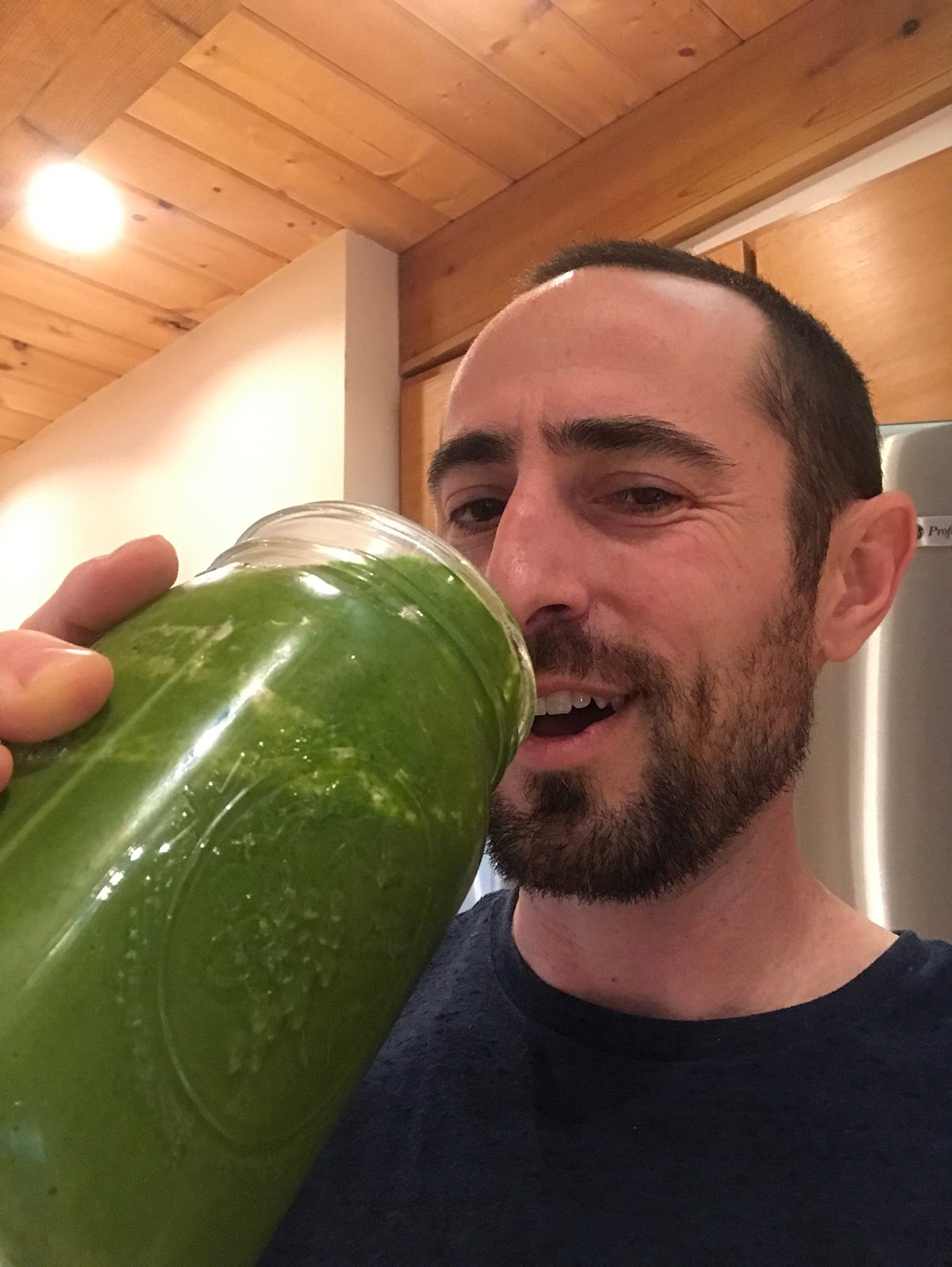
First thing in the morning, I eat my supplements and have a wheatgrass shot. They get absorbed better on an empty stomach. Then I eat green egg burritos or berry oatmeal with a cup of matcha tea. On the go today, so I pack sliced apple with almond butter, some sort of power bowl, along with cold water infusing with a turmeric ginger teabag, and another hot tea, something to boost immune system. I probably snack on hummus and carrots, maybe sneak in a few organic tortilla chips with some salsa or zhoug sauce. For dinner, maybe a rich coconut veggie curry with quinoa, or Costco salmon patties with a mound of broccoli. Then tea and Lily’s chocolate (yes sugar free chocolate, and it’s amazing.), or a mango or pear for dessert.
The basic idea is to eat all organic, lots of green stuff (i’m all about piling on tons of herbs, Vietnamese style), vegetables, berries, whole grains, and spices starting with a C (plus turmeric), tea three times a day if possible. Avoid sugar and processed foods, meat and dairy, inflammatory stuff like alcohol. Avoid acidifying, inflaming, or dehydrating your body. There are staples, like broccoli and garlic kale and nuts, but for the most part variety is king. Your body needs a little bit of everything available for it to do whatever it is doing in there. It’s ok to cheat a little here and there, but make it count, and keep it in moderation. Try to overwhelm your system with goodness, and starve cancer so it can’t easily grow, and hopefully shrinks.
Also, you can’t drink too much liquid. Your body needs to constantly flush itself out, and this is one of the few really easy things to check off the list, compared to say, giving up bacon!
Get used to taking supplements. Lots of them. Know what brands are best. If you want to save money, make your own (it’s actually really fun and easy).
One last note, kind of cheesy but also really important. Your body is wise, and probably knows just what to do with that food. But, in the same way you may give thanks for your food before a meal, you should also give thanks to your body. It should always know that while you are asking a lot of it, you are doing your best to give it what it needs.
EXERCISE
I am not a doctor or a scientist, but I firmly believe in the importance of breathing hard and sweating. Oxygen- cancer hates it, but the rest of your body loves it. Toxins- you have a lot of crap your body wants to get rid of, especially if you’re doing chemo and even more if it’s working and cancer cells are breaking down.
There’s your daily exercise- yoga, walking, gardening, etc. And then there is the moderately strenuous stuff, which you should do 2-3x per week. For me, my outlet is running, breathing in a ton of fresh air and getting in a mental zone where my adrenaline charged up and made me feel alive. I literally felt like I was running for my life, and love to feel fresh blood being pumped in every nook and cranny of my body.
And by exercise, I also mean simply moving. I think cancer just loves it when you’re stagnant, especially regarding tv and computer time. Reading, etc are good in moderation for me, but my rhythm always feels “off” after screen time- my circadian rhythm, my mental focus, etc. Maybe you feel screens help you relax, and maybe that’s right for you. But in general, I try to stay on my feet as much as possible, to keep things fresh.
REST
You need sleep to heal! Anxiety got the best of me, especially the first couple of months after being diagnosed. I could barely sleep, I just couldn’t shut my brain off. Obviously there was a lot to process, so I for the most part just rode it out, as frustrating as it was to be awake, again, at 4am. I’ve used CBD tinctures to help sleep a number of times, and honestly it has been really helpful (and it is anti-inflammatory!).
Like food, I believe rest is medicine. Those moments between laying down and falling asleep were essential for me to gather my thoughts, and talk with my body. I’d ask my immune system to surge, I’d picture white blood cells knocking off that Y-shaped protein that supposedly protects cancer, and deconstructing cancer. The bad proteins were to be flushed out, but any untainted parts of the tumors I promised to reincorporate as part of my body. At the end of the day, I believe cancer is not evil, or the enemy. It is part of me, just misguided, and by it submitting it chose to grow with me.
A cold room, ideally with fresh air from an open window, has more oxygen, and is proven to aid in more nourishing sleep.
For me, going to bed early, and waking up early always feels more refreshing. Plus most of my bad habits are at night.
Essential oils can really help relax you and help sleep. I liked to apply some lavender, frankincense, On Guard, and other oils before bed.
I had a nightly routine where I talked to my body, and said my thanks for another day. Here’s a link to what I told myself at night. Your body works hard at night, and I wanted to make the most of that.
Also, rest doesn’t just mean sleep. It means escaping from life’s stresses and the inevitable anxiety that having cancer brings. This is a link to a naturopath guiding a relaxation session.
*update!!! Today is November 15th, 2023, and I have been fortunate enough to stay 100% cancer free for almost 5 years! Many of my good healthy habits have stayed with me (though I admittedly cheat and drop the ball much more often 🙂). In a way, I almost feel like a regular normal person. I understand even more now that cancer was a huge gift, despite all the pain and turmoil it caused at the time. It has given me perspective, and especially at first, super senses (though these have definitely mellowed over time), where every smell, sound, sight, moment, emotion, memory, etc were amplified.