

There’s a struggle we often hear from clients; they want their outdoor spaces to be more sustainable, but they feel overwhelmed with what to do, where to start, or what having a sustainable yard really means in practical terms.
They war with themselves, feeling they haven't done enough and do not have the time or energy to research what actions to take. This causes an endless feedback loop of guilt and self-reproach every time they look outside.
This is the exact opposite of how we want you to feel about your outdoor space! But we get it. The topic of sustainability is an elephant to get your arms around.
So we’ve put together this quick guide for sustainable landscape maintenance to give you some simple, specific actions you can take in your garden right now, guilt-free.
So what is sustainable maintenance anyway? And how is it relevant to you, a homeowner in Seattle?
Sustainable maintenance is about caring for your landscape with intention. It’s the steady, thoughtful work that keeps your garden healthy, resilient, and beautiful without relying on excess water, chemicals, or constant overhauls. In Seattle, that means tending soil after months of rain, preparing plantings for dry summer stretches, pruning at the right time, and choosing practices that support long-term strength instead of short-term fixes.
Sustainability is a mindset as much as an action. It’s thinking holistically about the big picture and making thoughtful, intentional choices.
When done well, a sustainable landscape costs less over time, requires less maintenance, and creates an outdoor space that feels naturally at home in the Pacific Northwest.
Here’s a breakdown of our top five sustainable garden maintenance practices you can start right away.
Your garden generates more waste than you may realize, and it’s easy to reuse it sustainably. For instance, instead of bagging up fallen leaves, compost them and use them as nutrient-rich supplemental soil for spring planting.
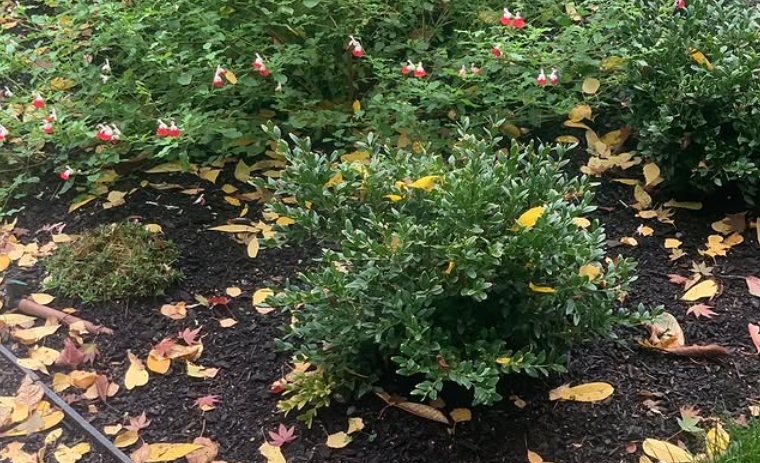
Small branches and pruning debris can be chipped and used as mulch, while grass clippings can be left in place to act as a natural fertilizer. These steps are simple, easy, and cut down on hauling emissions and landfill waste, all while building healthier soil.
In the Pacific Northwest, we know we can count on rain. While our winters are famously wet, summer drought conditions are becoming more common, which means landscapes need efficient systems that deliver water only when and where it’s needed.
Drip irrigation systems, instead of traditional spray heads, are a great place to start.
Drip systems direct water to plant roots, minimizing evaporation and runoff. Pairing irrigation with a smart controller or soil moisture sensor also really helps water conservation efforts because you will water based on actual conditions, not a fixed schedule. Simple steps like watering early in the morning, regularly checking for leaks, and using mulch to retain moisture can significantly reduce water waste while keeping your garden healthy through Seattle’s increasingly dry summers.
Sustainable plant curation means choosing plants that can thrive through our dry summers without constant irrigation. Once established, drought-tolerant and regionally adapted plantings require little to no supplemental water, making them ideal for reducing both water bills and environmental impact. Prioritizing deep-rooted perennials, native shrubs, and hardy groundcovers creates landscapes that stay resilient even during late-season heat waves.
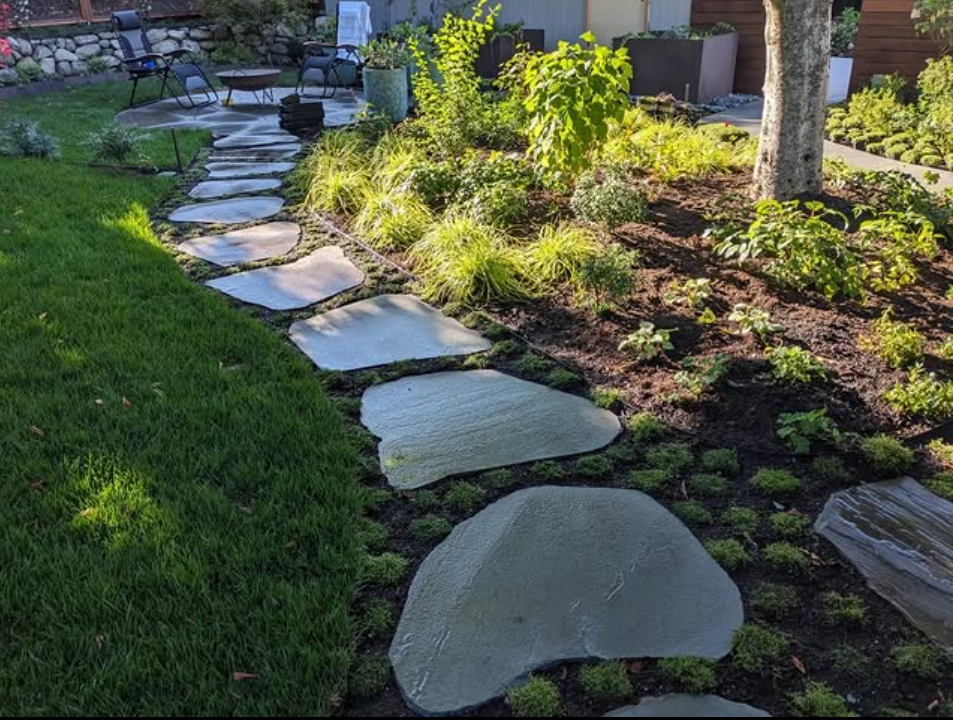
An equally important step is removing invasive species that compete with native ecosystems and often require ongoing control. If you replace invasive plants with well-suited alternatives, you reduce long-term maintenance and prevent the need for chemical interventions.
Thoughtful plant selection also means choosing species that naturally resist pests and diseases, minimizing or eliminating the need for fertilizers and pesticides. Healthy soil, proper spacing, and the right plant in the right place go much further than using chemicals to constantly wage war with your garden.
When it comes to making your garden sustainable and welcoming to wildlife, small additions make a big difference.
Layer plantings to create canopy and understory, plant shrubs that provide winter berries, and keep brush piles or natural groundcover that offer shelter.
Protecting existing trees is also important for shelter. Mature trees provide shade, regulate soil moisture, store carbon, and offer critical nesting and shelter opportunities.
Whenever possible, work around established trees rather than removing them. Even standing dead trees or fallen logs (assuming they are safe) can serve as habitat for insects and birds.
Keep in mind that sustainable wildlife support doesn’t mean creating unchecked hiding places for rodents. Keep brush piles intentional and contained, store compost securely, and avoid dense plantings directly against your home’s foundation. Prune regularly to maintain airflow and visibility, and monitor for burrowing activity so small issues can be addressed early and organically.
Did you know that using a gas leaf blower for an hour creates as much pollution as driving from LA to Denver? That’s 1,100 miles. Using a gas-powered lawnmower for an hour is the same as driving 300 miles. Now think about how many folks are using both of these tools for lawn care every summer. It makes your head spin.
Replacing your lawn with mixed-eco lawns lets you reduce (or completely eliminate) the need for a mower, and switching out to battery-powered trimmers, leaf blowers, and other lawn care tools keeps you from contributing to pollutants.
Solar-powered outdoor lighting is also one of the simplest changes you can make. When considering landscape lighting, path lights, accent lighting, and even security fixtures now come in efficient solar options that charge during the day and illuminate at night. Plus, they don’t require trenching, a bigger electrical load, or an increase to your power bill.
Our Seattle landscape maintenance team approaches every property as long-term stewards. We think about how your trees will look in five years, how each plant is doing, how your shrubs will mature, and how to strengthen your soil year over year.
Every gardener on our team has encyclopedic plant knowledge and keeps extensive notes on their gardens, so your landscape receives consistent, informed care.
If maintaining your garden yourself feels like one more thing to manage on top of everything else, we are ready to step in.
Learn more about our sustainable maintenance services, meet the team, and drop us a line to get started. We’d love to help your garden thrive for the long haul.