


Sustainable landscape architecture is often misunderstood as a series of eco-friendly swaps, like switching out plants, upgrading to “smart solutions,” and recycling garden waste.
While these efforts are important (and we highly encourage them!), sustainable landscape architecture goes much deeper.
Building sustainably is taking a thoughtful, holistic approach to your build from the ground up. Sustainable landscapes are designed to work intelligently with the natural landscape, ecosystem, and climate to create beauty and longevity while minimizing waste.
Below, we take a deeper dive into why sustainable landscape architecture matters and how we approach building smarter outdoor spaces.
Building sustainably isn’t just best for the environment; it’s also good for your wallet.
When landscapes are built without the local environment in mind, homeowners end up compensating with more maintenance, more time, and more money. A lot of frustration goes into trying to maintain expensive outdoor spaces that look good for a year or two and then start to deteriorate.
A well-designed landscape doesn’t need constant correction. It doesn’t rely on constant compensation to survive. It feels natural, functions effortlessly, and holds up over time.
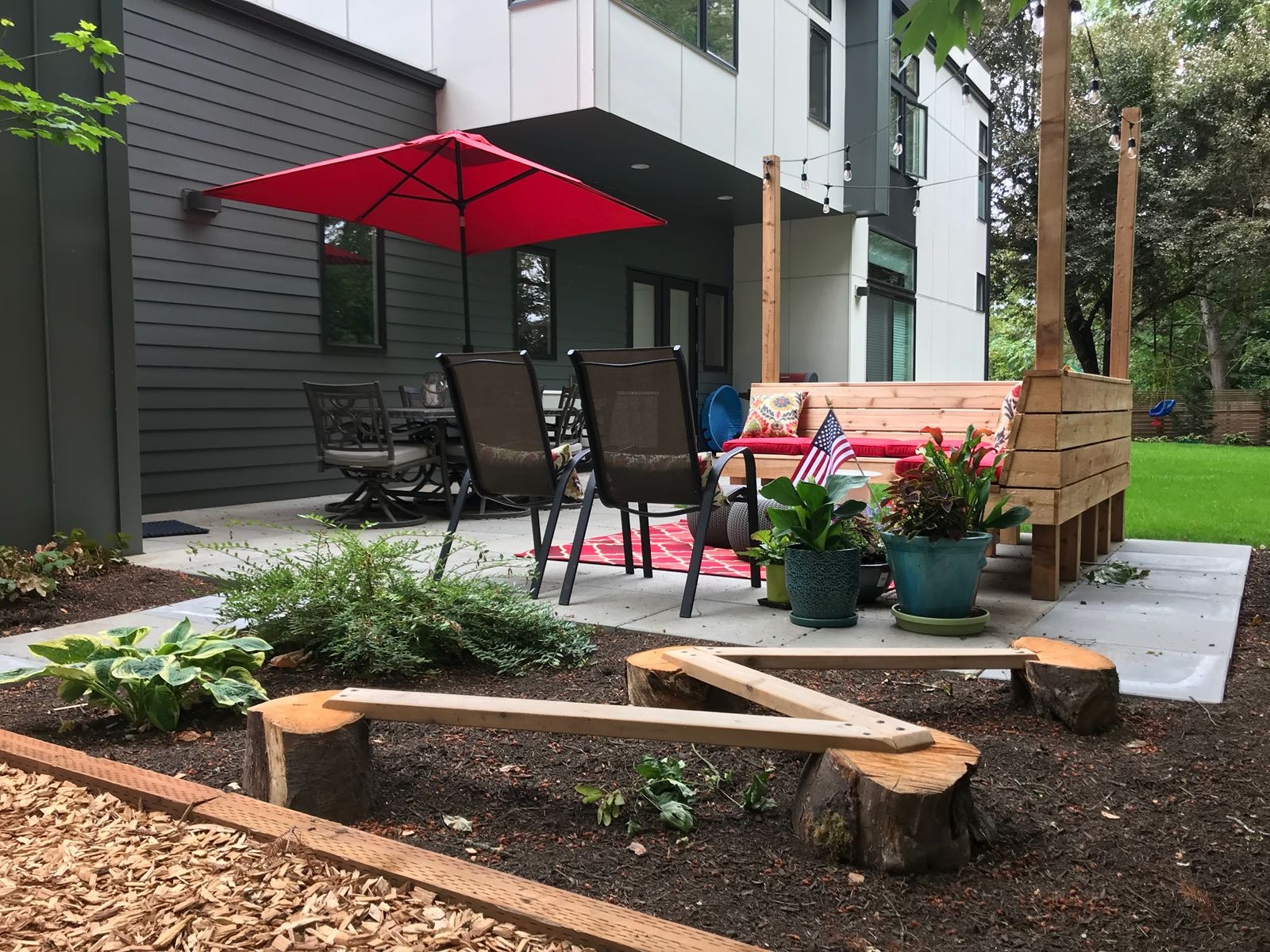
The difference between these two outcomes is largely determined by design decisions that are made early on.
That’s why sustainable landscape architecture isn’t just about swapping out the old and replacing it with new. Sustainability is an actionable philosophy, a way of thinking that shapes every decision of the design and build process.
So what does this sustainability philosophy look like in practice?
For us, it’s a roots-up perspective that covers seven primary areas of sustainability.
Here is a breakdown of each one:
Sometimes the most sustainable choice is the one that prevents unnecessary change.
With each new project, we look closely at what can be preserved. This may include revitalizing existing structures and preserving established plants and trees. This not only minimizes the amount of demolition we need to do, but also works with your space naturally to find really unique designs and solutions that are customized to your garden.
When removal is necessary, we reuse as many materials as possible instead of sending them to the landfill. For example, we might pull nails from decking for reuse or bring concrete to yards to be crushed and converted to gravel.
We are committed to durable, legacy-based construction. This means building landscapes to last. Structures that need to be replaced every few years have a much greater environmental cost over time, which is exactly what our approach avoids.
Our materials are natural and non-toxic. We are proud to partner with vendors and manufacturers who are locally owned and balance purpose with profit to positively impact their workers, communities, customers, and the environment.
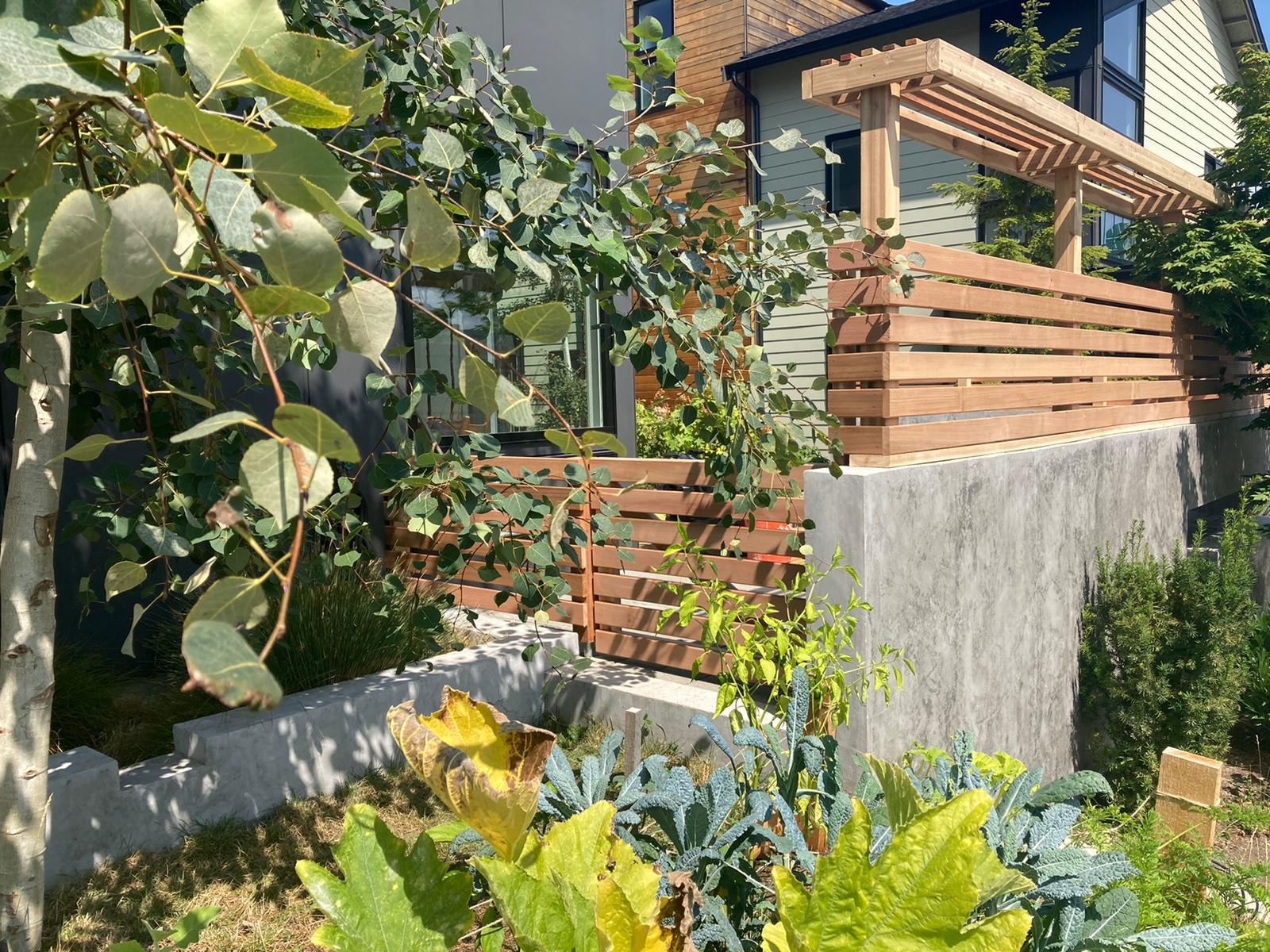
Building this way not only means our builds are strong, beautiful, and non-toxic; it also means our materials require minimal total energy for their entire lifecycle. This includes extraction, processing, manufacturing, transportation, and disposal.
Our materials have a lower environmental impact because they use less energy and produce fewer greenhouse gas emissions than high-embodied-energy materials like steel or concrete, so every project is sustainable from the ground up, no corners cut.
Rain is an immovable constant for Seatellites. Smart sustainable Seattle landscape architecture works with our water to maximize its impact, instead of constantly trying to fight against it.
Rather than directing water off your property as quickly as possible, we design systems that allow it to slow down, spread out, and soak in.
This might include permeable surfaces, rain gardens, dry wells, or subtle grading techniques like swales and terracing.
We also address what’s happening below the surface, loosening compacted soils so they can absorb water.
The result is a landscape that handles heavy rain with ease, without pooling, runoff, or erosion.
A good, sustainable landscape does not need constant intervention to survive.
We focus on drought-tolerant, climate-adapted plants that thrive in our region without heavy watering, fertilizers, or chemical support.
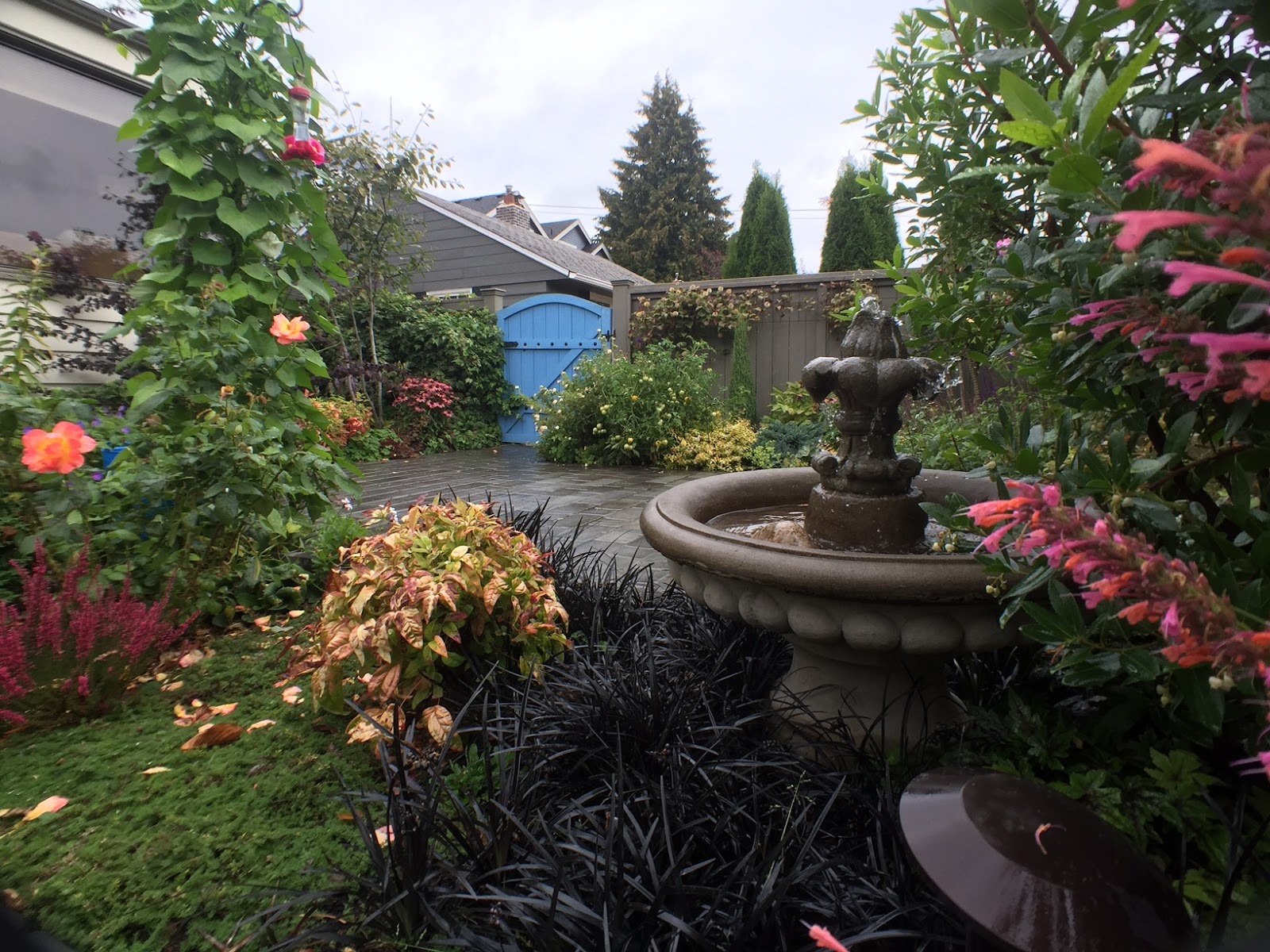
We remove invasive species, reduce traditional lawn areas, and replace them with more dynamic planting spaces or eco-lawn alternatives that are more resilient and lower maintenance.
Designing sustainable gardens from the start means beauty and longevity without investing hours and hours of maintenance every year.
Using less water is a huge benefit to planting sustainably. All of our designs aim to reduce the need for water as much as possible. It’s always a feather in our cap to design a space that, through thoughtful plant selection and soil health, only needs hand-watering.
When irrigation is needed, we design systems that deliver water where it’s actually needed, using drip irrigation, weather-based controllers, and leak detection tools that prevent unnecessary loss or over-watering.
In our designs, all water is used intentionally, never excessively or needlessly.
A living landscape supports the whole ecosystem, including (non-harmful) wildlife.
To integrate wildlife-friendly elements into our sustainable landscape architecture, we incorporate native and pollinator-friendly plants, preserve existing trees and habitat whenever possible, and design spaces that offer food, shelter, and water for local wildlife.
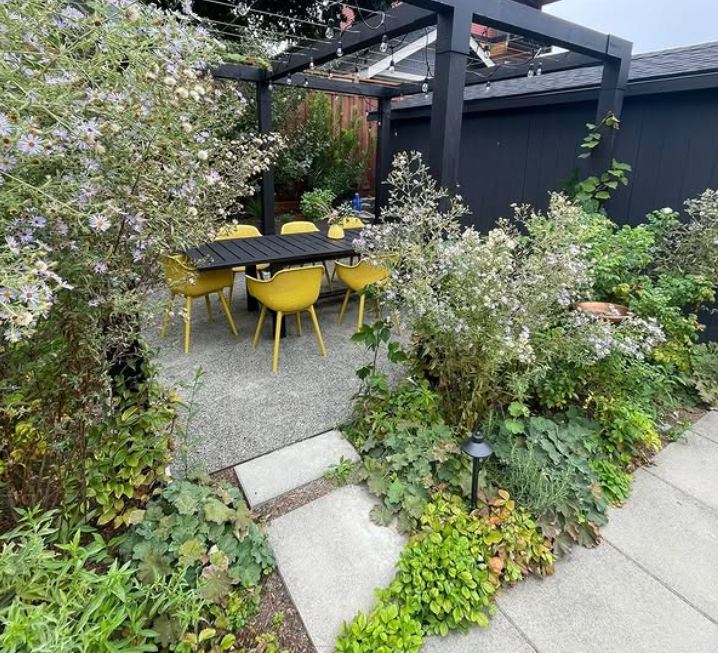
It’s important to note that sustaining natural habitats doesn’t mean inviting in pests and rodents. A more natural landscape doesn’t inherently attract these critters, but poorly managed ones can.
Rodents are drawn to excess water, dense, unchecked growth, and easy shelter near structures. With intentional designs like clean transitions around the home, controlled planting density, and proper drainage, we avoid creating those conditions altogether.
A balanced landscape, supported by natural predators, is far more stable than one that relies on constant intervention. These are the conditions we’re aiming to protect.
At its core, sustainability is about people. It’s the intentional effort of creating an environment that fosters health, longevity, and connection.
Our designs are an invitation to enjoy your outdoor space holistically. We design gardens that invite you to use them. We want you to step into a place that shelters you from the sun, produces herbs, food, and flowers, and encourages time outside. We want to give you the space to connect with your family and neighbors, and reconnect with yourself in peace and quiet.
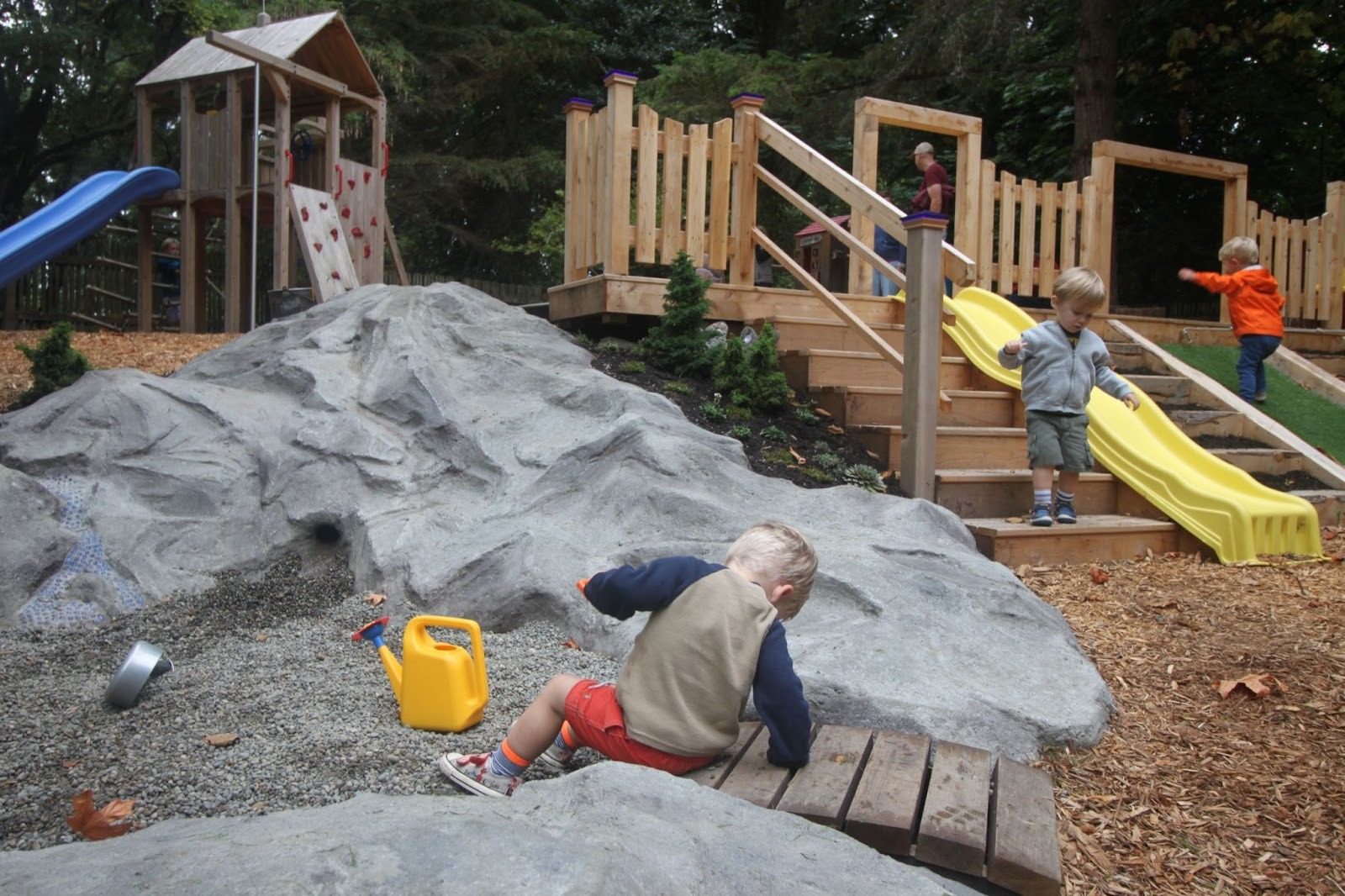
We operate on the belief that outside is better, and every project we build reflects this value.
Every project at Sage and Stone is guided by a comprehensive sustainability framework that evaluates the landscape as a whole system.
We assess everything from how materials are sourced and used to how water moves through the site to how the space will perform years down the line. Every decision is made with both immediate function and long-term impact in mind.
To hold ourselves accountable, we measure each project against an internal 200-point sustainability standard. This framework looks at key areas like:
Our clients don’t see this grading system, but they feel the results. Their landscapes function intuitively, last sustainably, and support the growth of their families and lives.
If you’re ready to get started on your custom sustainable landscape design, drop us a line, and we’ll get started. We’d love to work with you!