

We've done a lot of research and development to find products and systems that are as sustainable as possible, so we can offer real options to people who want them. We don't shove it down anyone's throat. Sometimes it's a trade-off, and we respect it when clients want to do things a more traditional way.
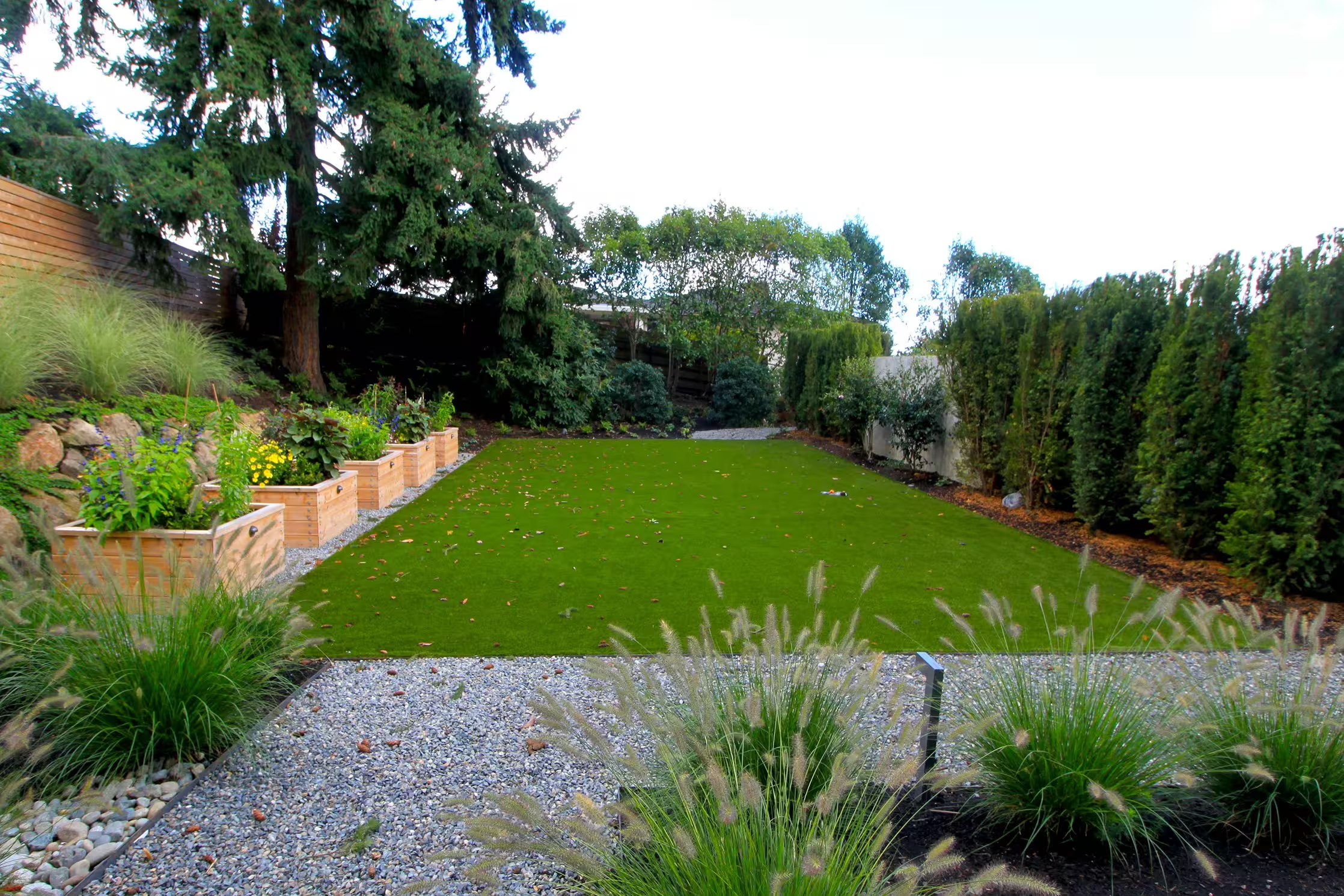
But it's one of our long-term goals to prove that a sustainable yard can be just as beautiful and design-forward as any other — and that you're not sacrificing anything by making environmentally based decisions.
We've put together a rubric we call Sage Certified sustainability — a way to grade how sustainable a given project is. It's not a marketing exercise. It's mostly for our designers and our clients, so everyone can see where the different options we're presenting actually land.
The criteria we grade against:
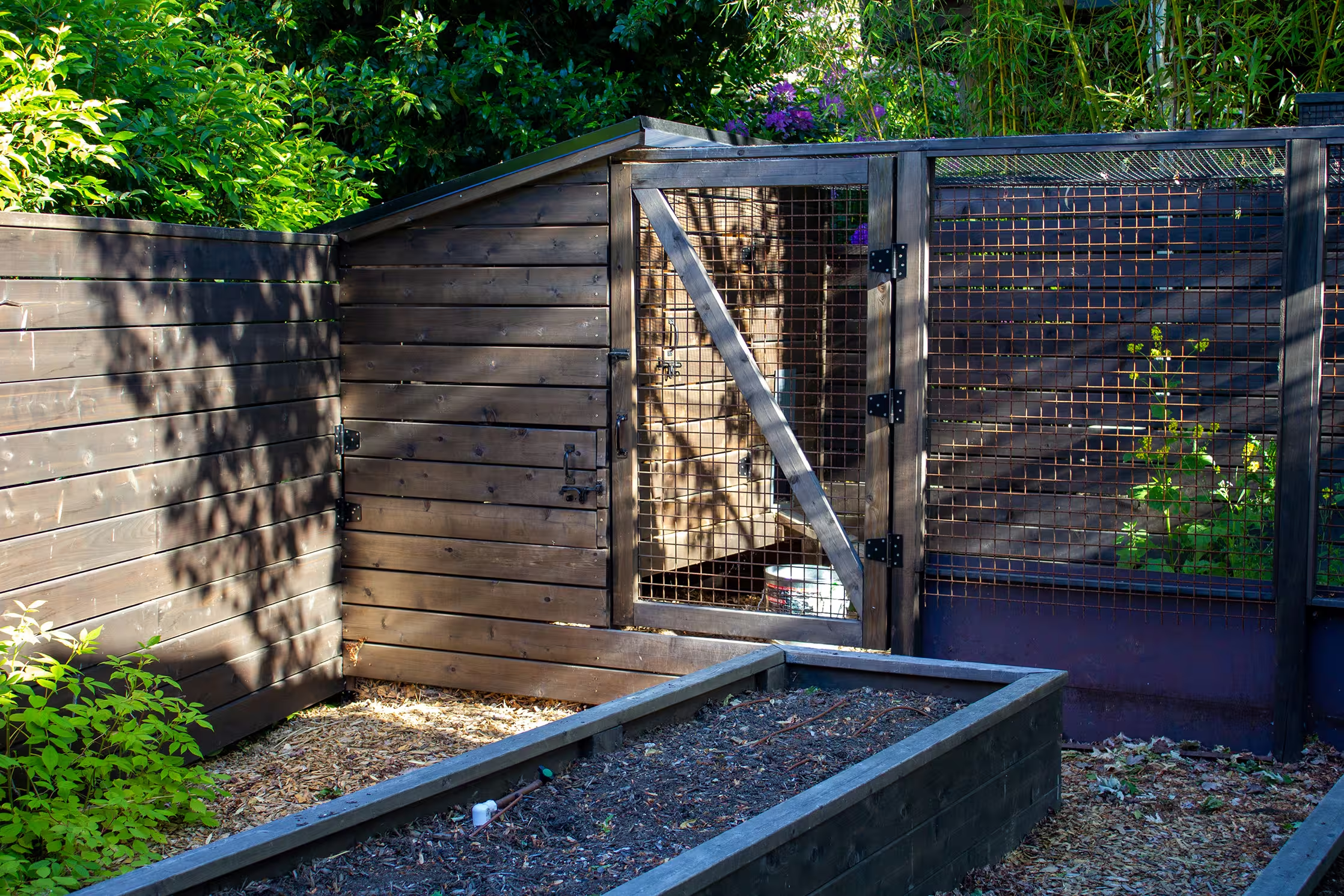
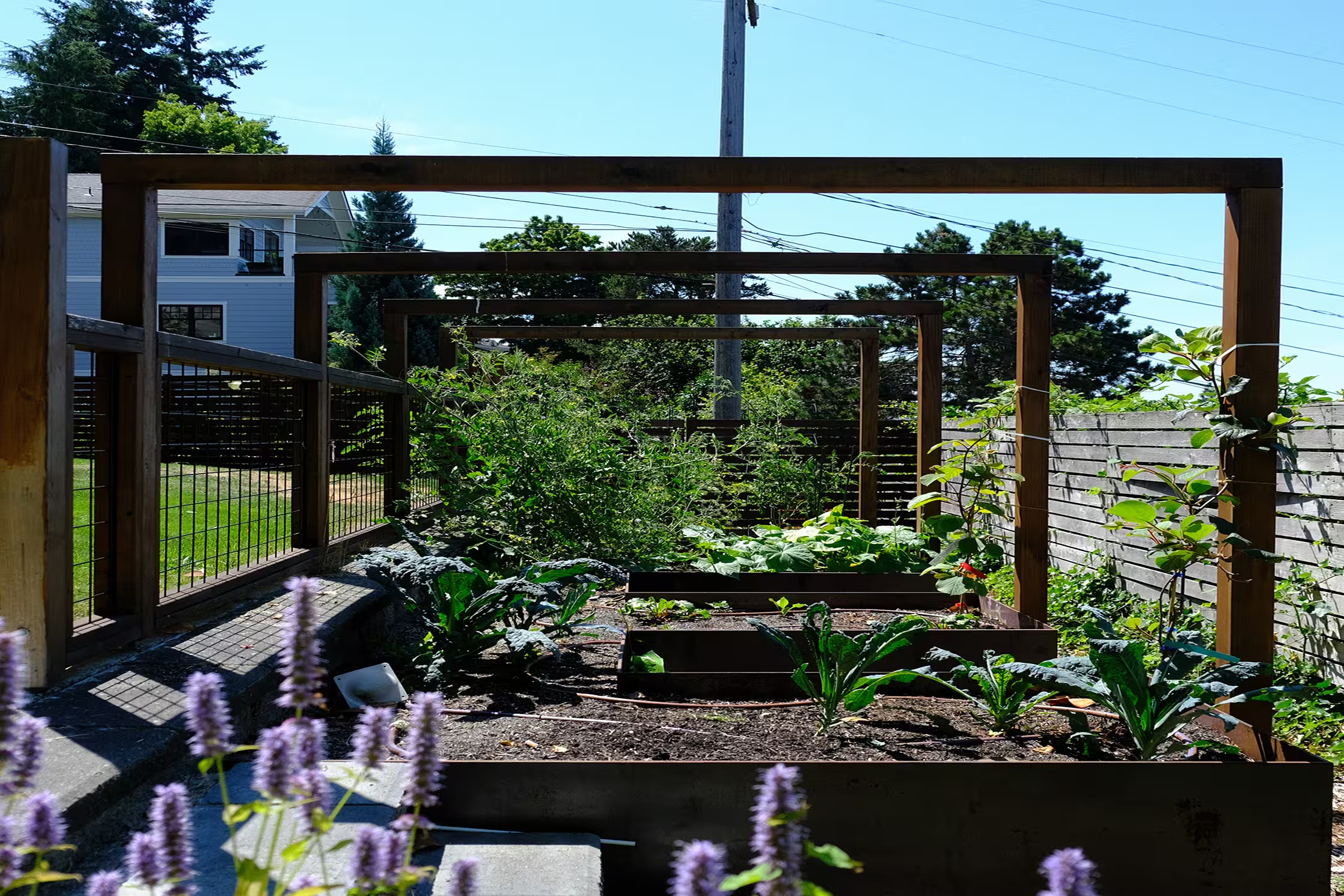
Steel is a good example of why lifespan matters. A fence with a lot of steel or metal in it carries a lot of embodied energy. But if it lasts 100 years and you can recycle it at the end, we grade that pretty high on the sustainability charts.
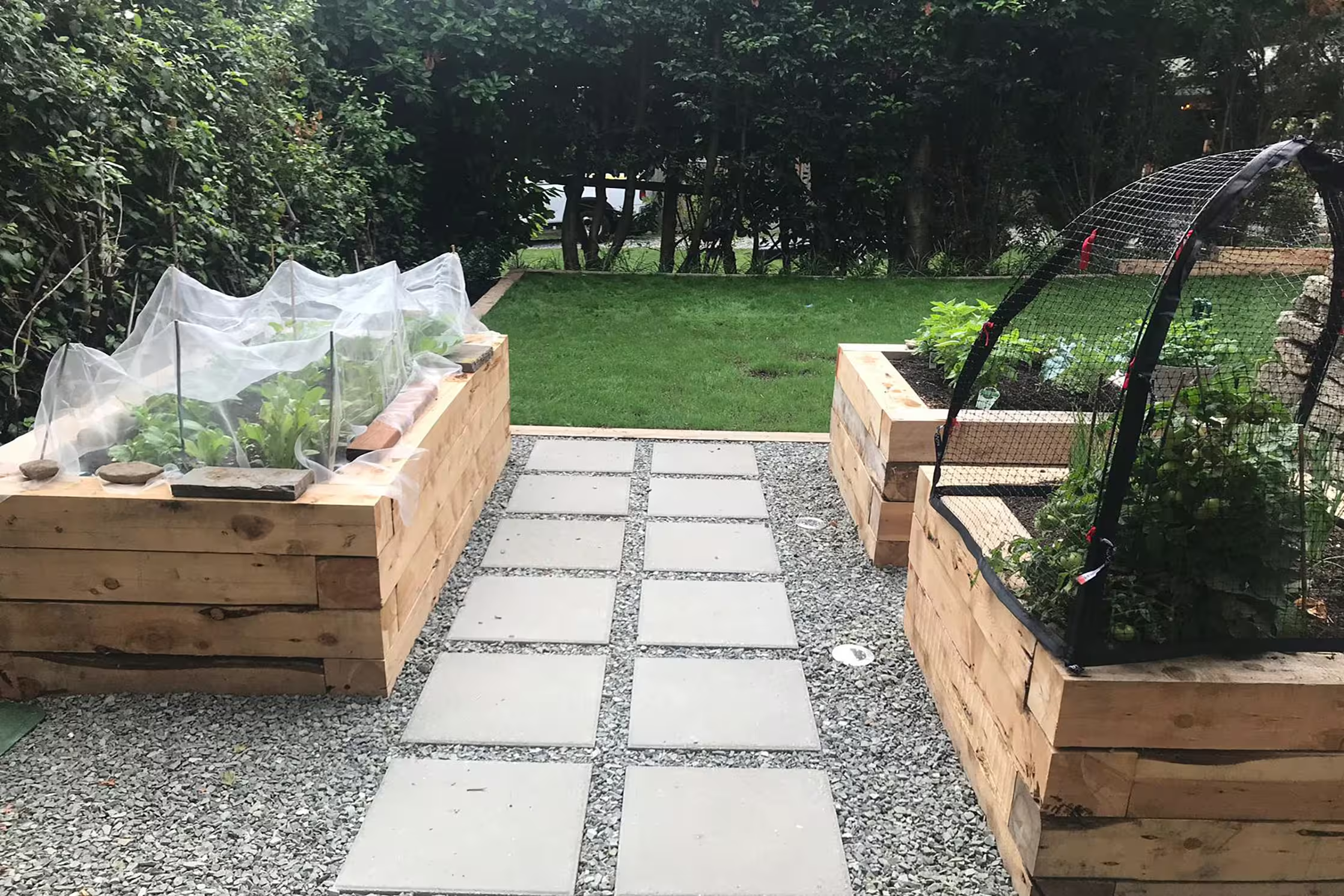
Stormwater is a real problem here. The system gets overworked, and then it basically overflows into the Sound and into Lake Washington. Whenever we can manage water on site — through permeable gravel, thoughtful grading, and planted areas that absorb rather than shed — we do. It's one of the highest-impact sustainability decisions available in a Seattle yard, and it usually costs less than the alternative.
We're not sure everyone counts this as sustainability, but we do. Since one of our main goals is getting people outside, there's a community aspect to the work:
Those are all part of our criteria. The idea is that more than your family benefits.
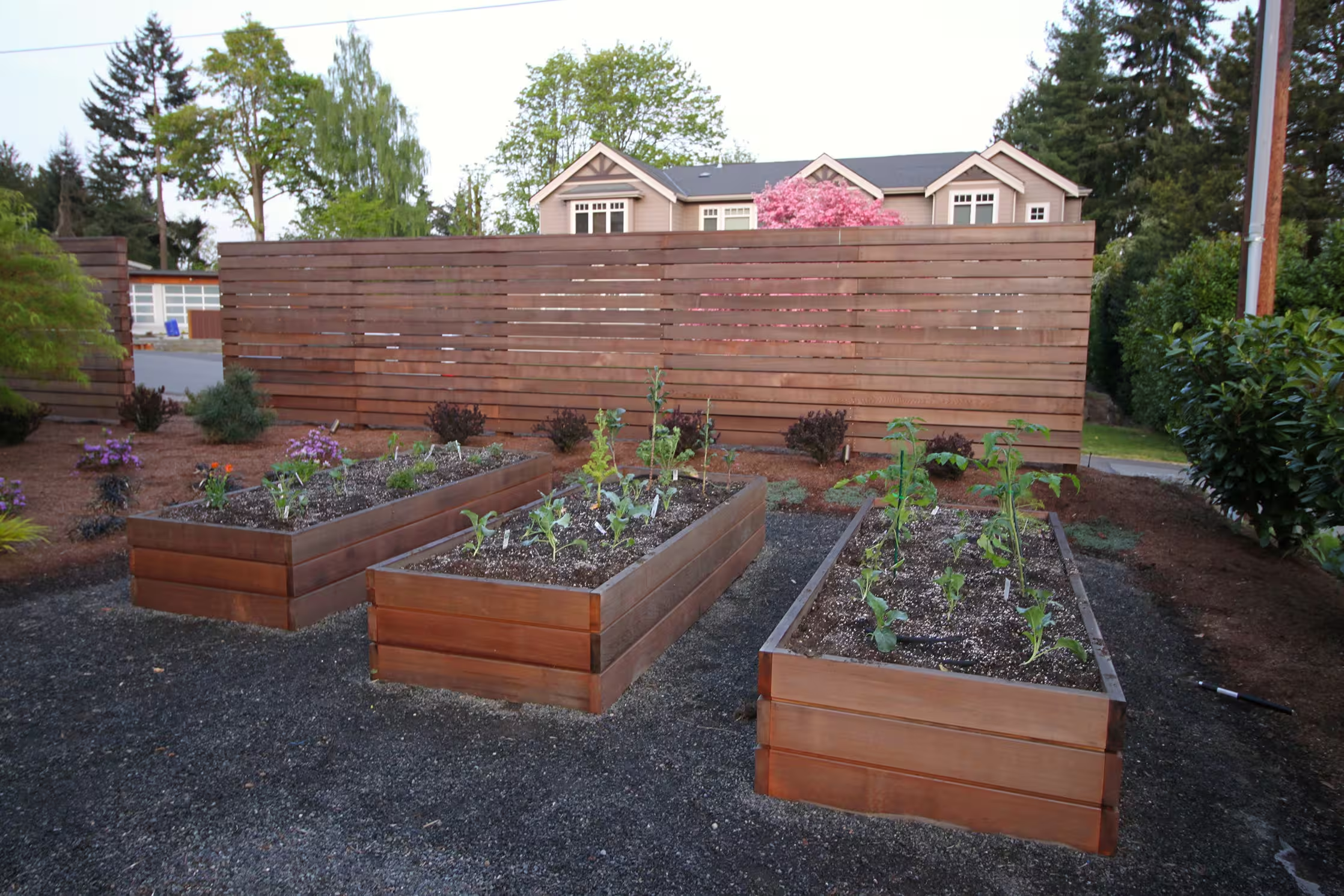
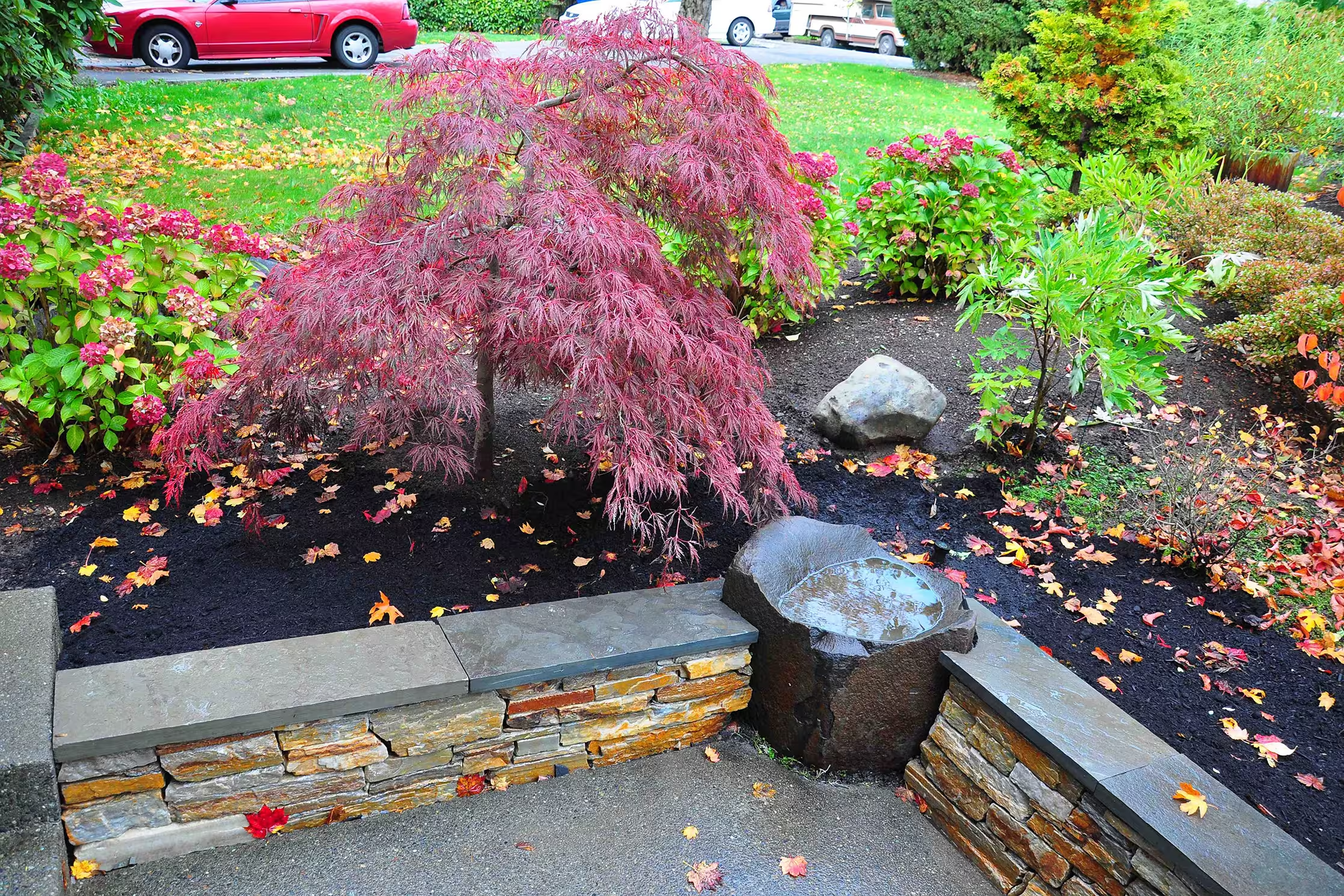
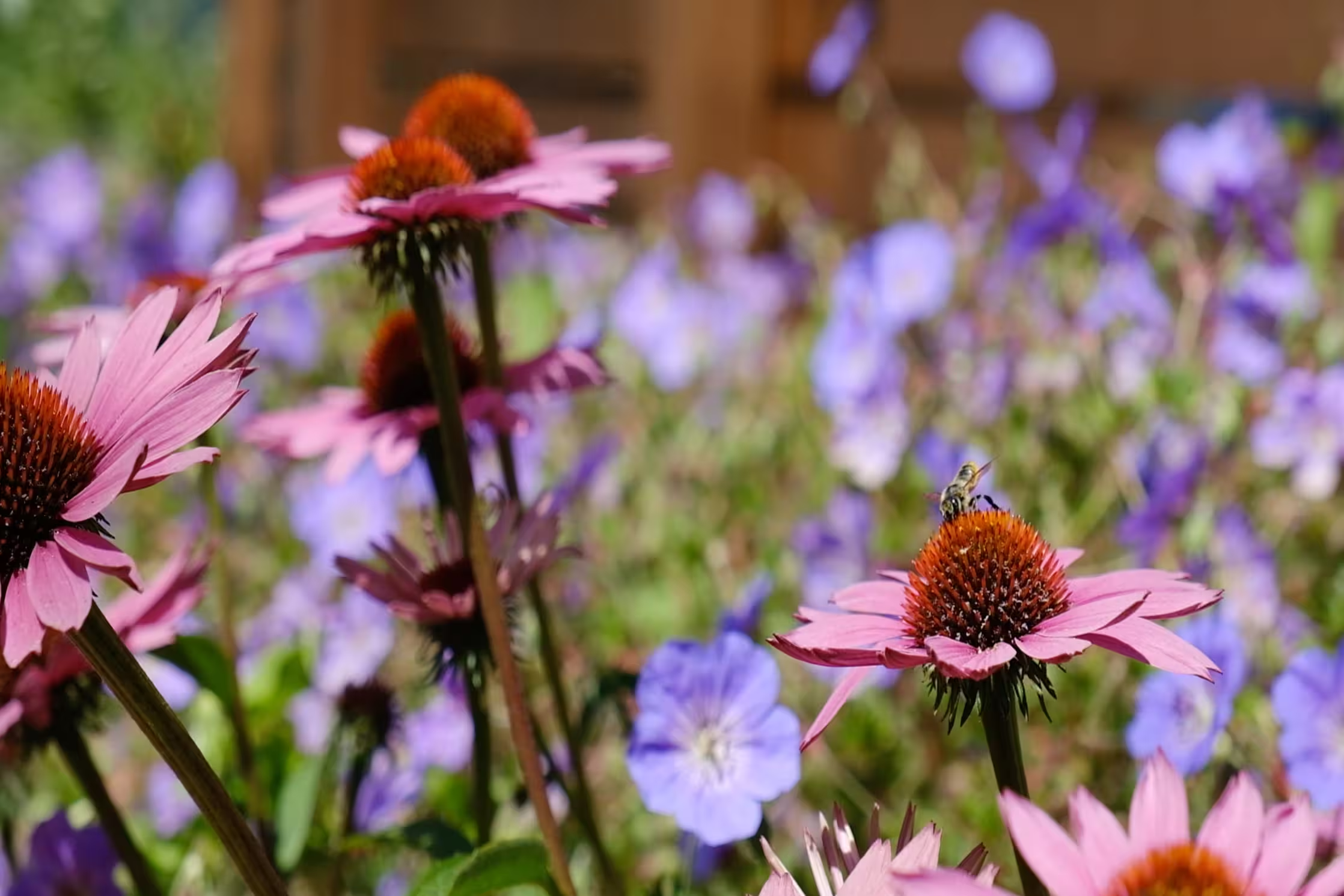
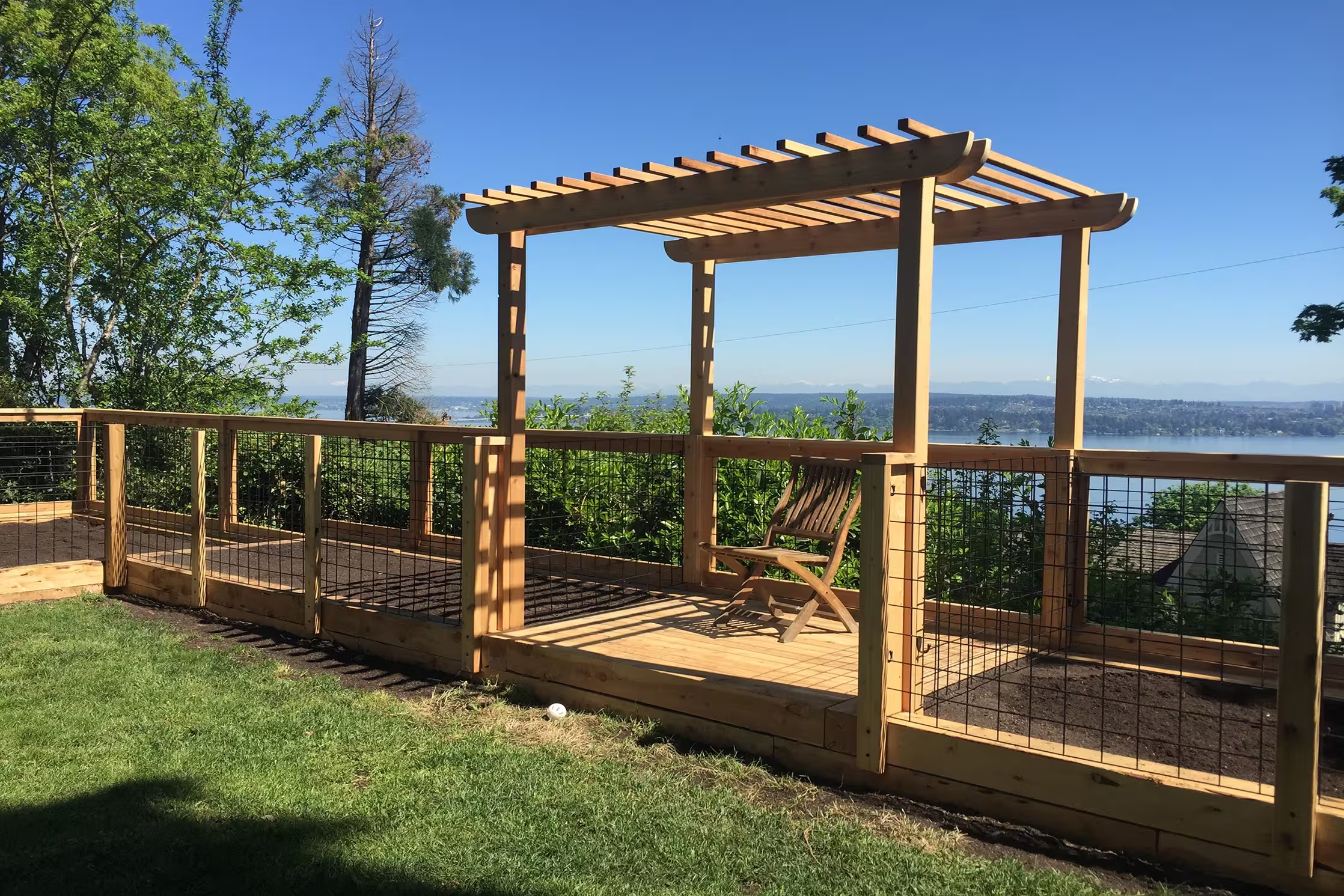
One project earned a particularly high sustainability score across the rubric. It included pollinator-friendly gardens, a small, smart deck built with legacy materials, and pavers reused from the existing site and reinstalled in a design-forward way. Nothing about it reads as a compromise — it's simply a beautiful garden that happens to have made good decisions at every step.
Planting invasive or aggressive plants. Sometimes people think, it's a native plant, I'll put it in my yard. Native plants are great — but they're very often survivors. They compete to win, and they don't always fit into city lots very neatly.
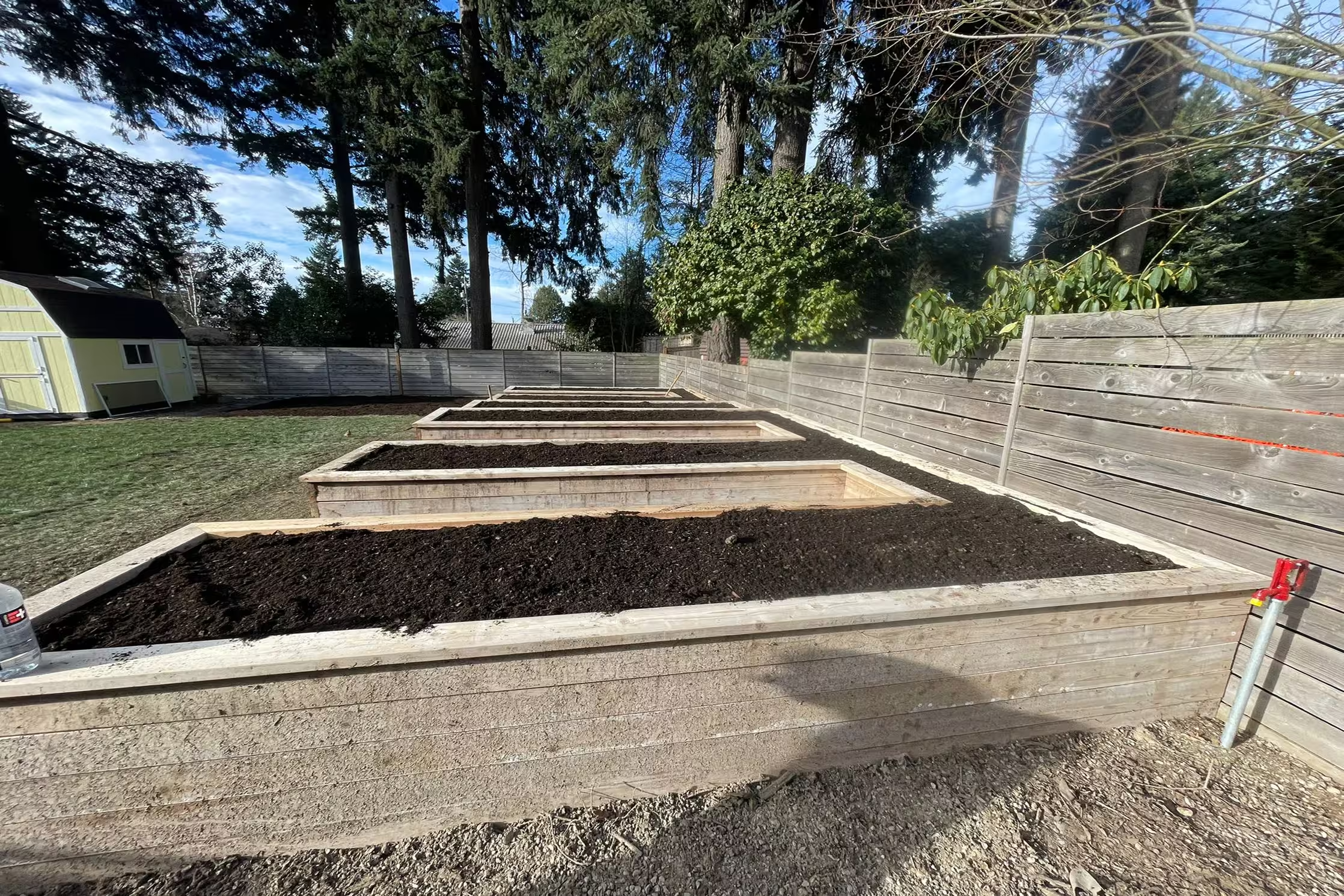
Skipping soil building. Soil is the foundation of a landscape, and you really get one chance to do it: at the start. If you leave compacted soil and plant right into it, you're going to have sad plants, and you'll never get that ecosystem going. Soil prep is very, very important to consider.
Everyone makes that second mistake, and there's a reason why — soil is a lot of work to move. Nobody wants to do it. It's still worth doing.
What is Sage Certified sustainability?
It's our internal rubric for grading how sustainable a project is. It looks at waste and demo, embodied energy versus lifespan, water management, habitat, shade and tree cover, and community impact. It exists so our designers and our clients can see where each option actually lands.
Are sustainable landscaping materials more expensive?
Sometimes, and sometimes not — gravel is both the most sustainable patio surface and one of the least expensive. Where there is a trade-off, we lay it out honestly. We don't push anyone toward a choice they didn't ask for.
How can I manage stormwater in my yard?
Permeable surfaces like gravel, proper grading, and planted areas all help keep water on site instead of sending it into an already overworked system that overflows into the Sound and Lake Washington.
Are native plants always the right choice?
Not automatically. Native plants are great, but many of them are survivors that compete to win, and they don't always fit neatly into a city lot. The right plant depends on the space as much as its origin.
Why does soil preparation matter so much?
Because it's the foundation of the whole landscape, and you get one chance at it. Plant into compacted soil and you'll have sad plants and never establish a real ecosystem underneath them.
Is a steel fence sustainable?
It can grade quite well. Steel carries a lot of embodied energy up front, but if it lasts 100 years and gets recycled at the end, the math over its lifespan looks very good.