

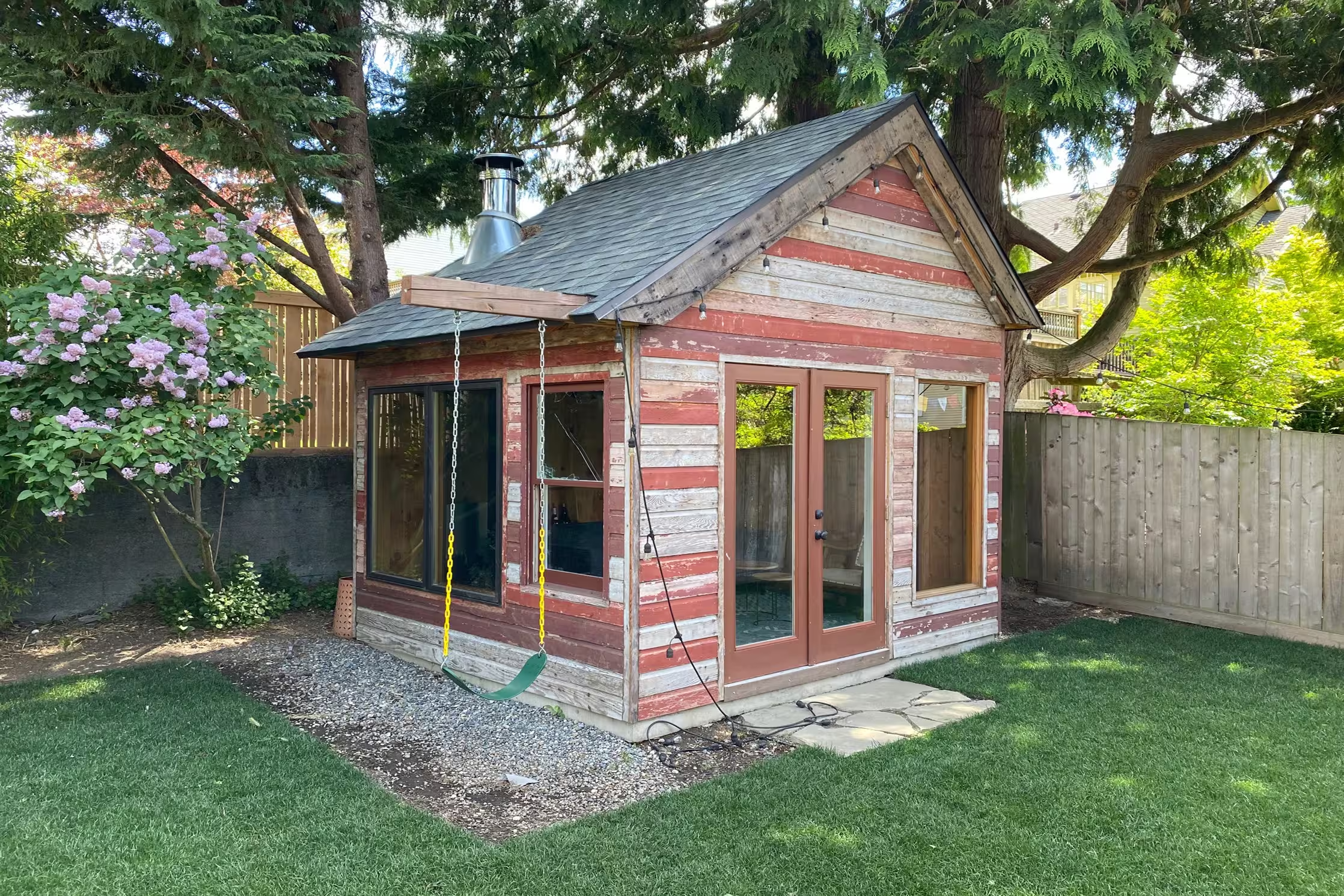
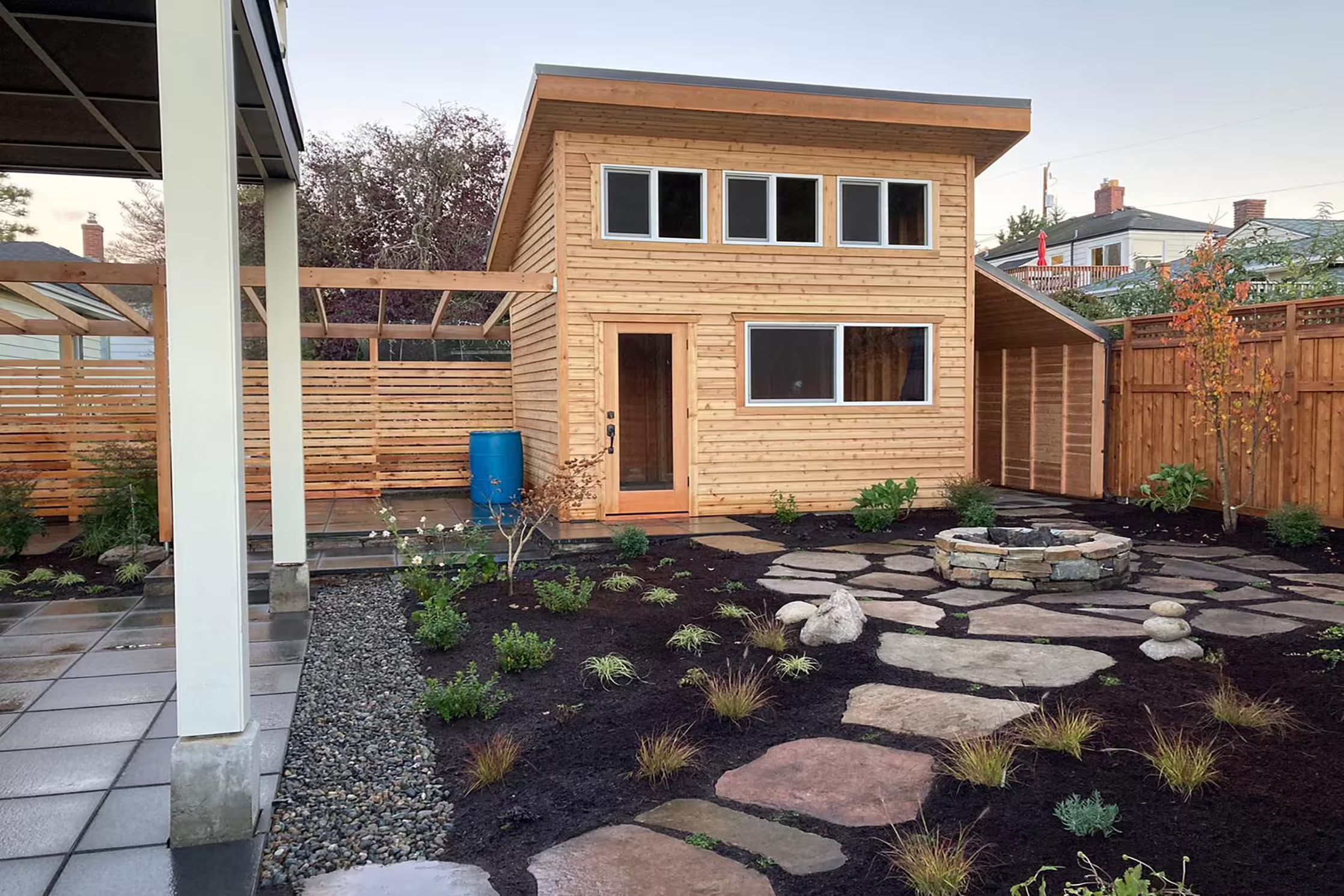
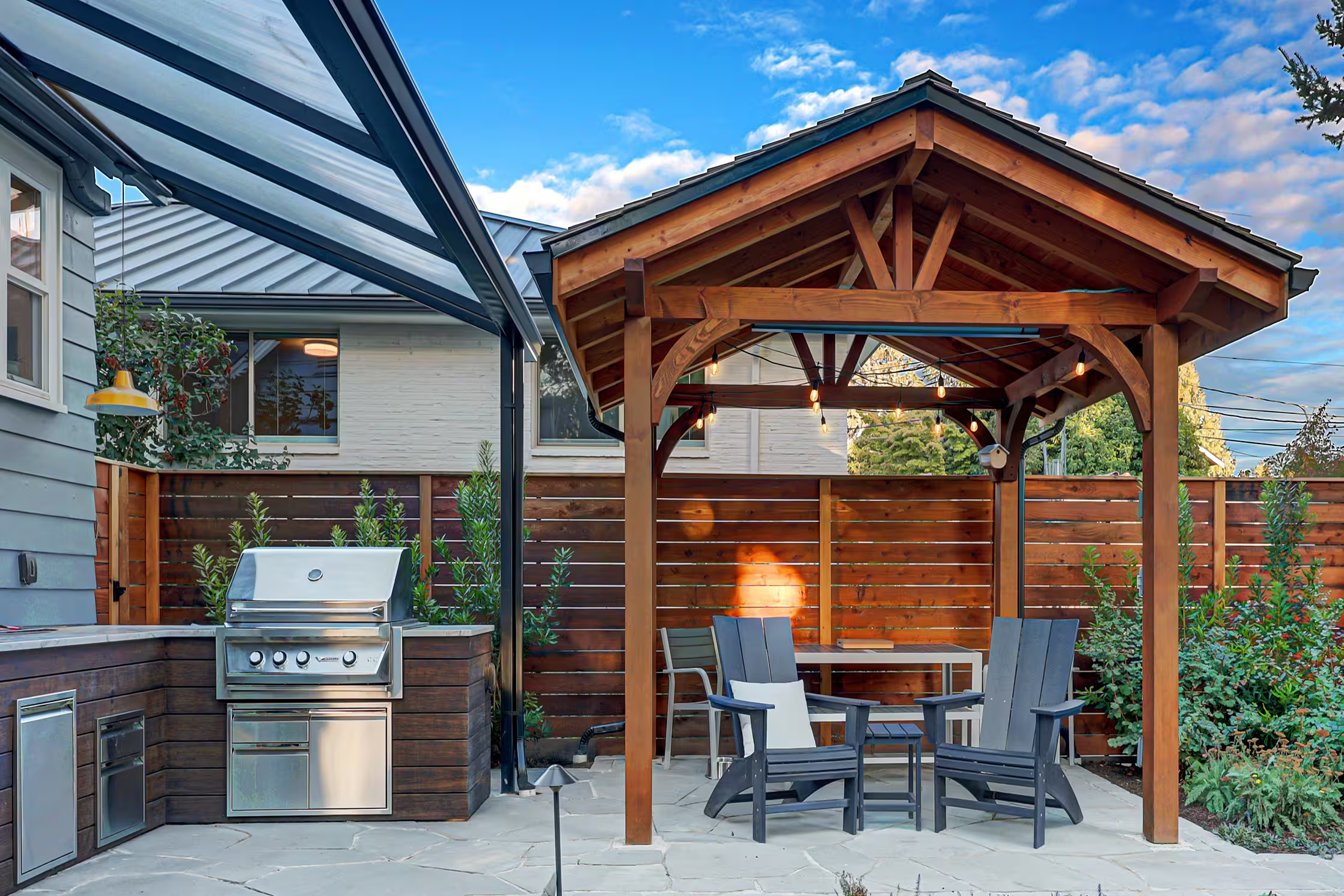
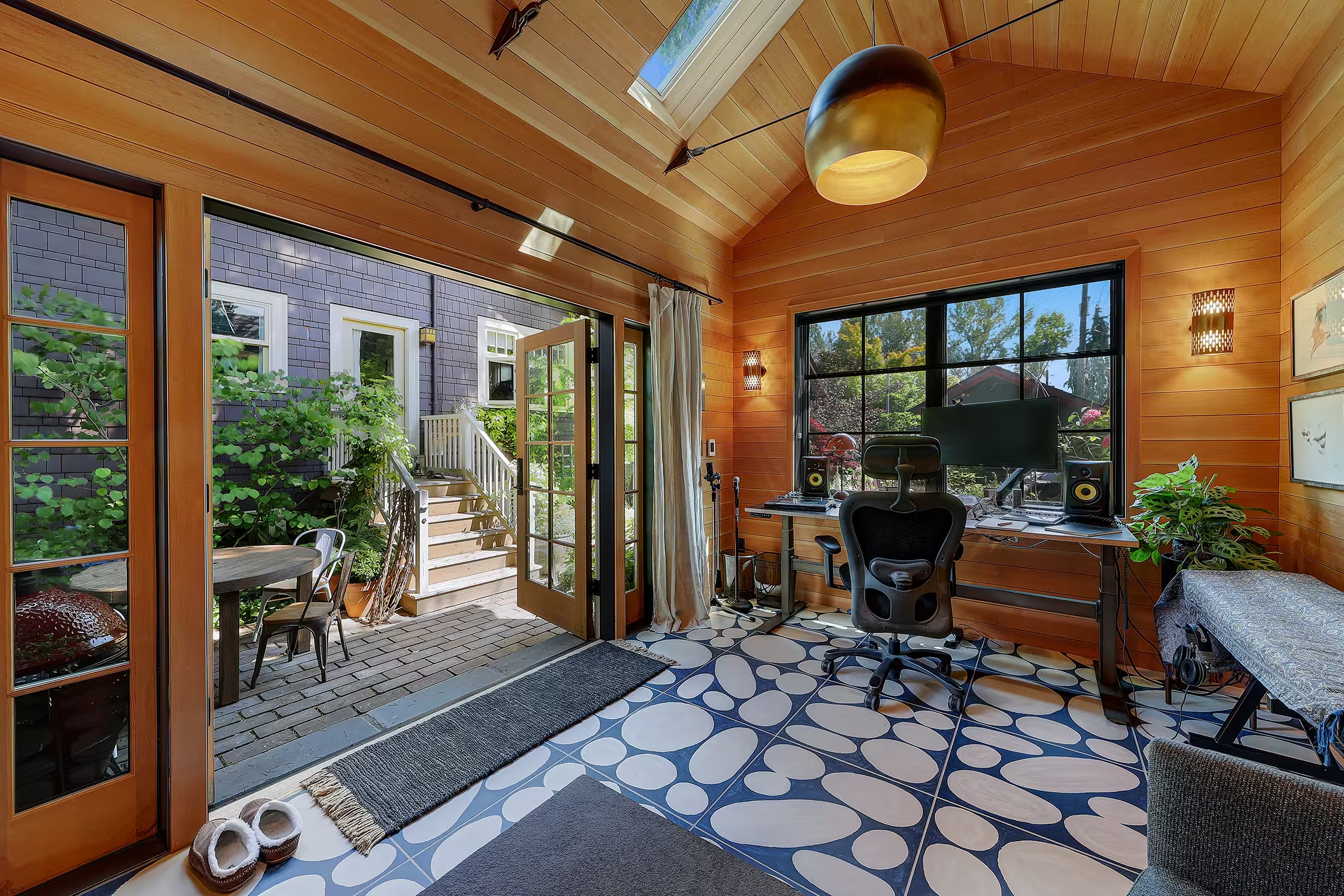
Nobody assumes a landscaping company is going to be really good at building shelters. It's one of the things we're always trying to help people understand: we are fully equipped to build these structures, from engineering and permitting through finished ceilings and electrical. We've built garages. We can build a house from the ground up. We just choose to do landscaping.
Covered outdoor shelters are the true keystone of the indoor-outdoor world. They're for people who want to be outside in spring and fall — not just summer — and who want the yard to be part of daily life rather than a three-month season.
Shelters run an enormous range. At one end, a deck with a simple roof over it. At the other, something close to a three-season room. The largest we've built ran around 800 square feet — a massive extension of the house.
A recent structure included:
We've built about 60 shelters of various kinds over the years, and no two have been the same.
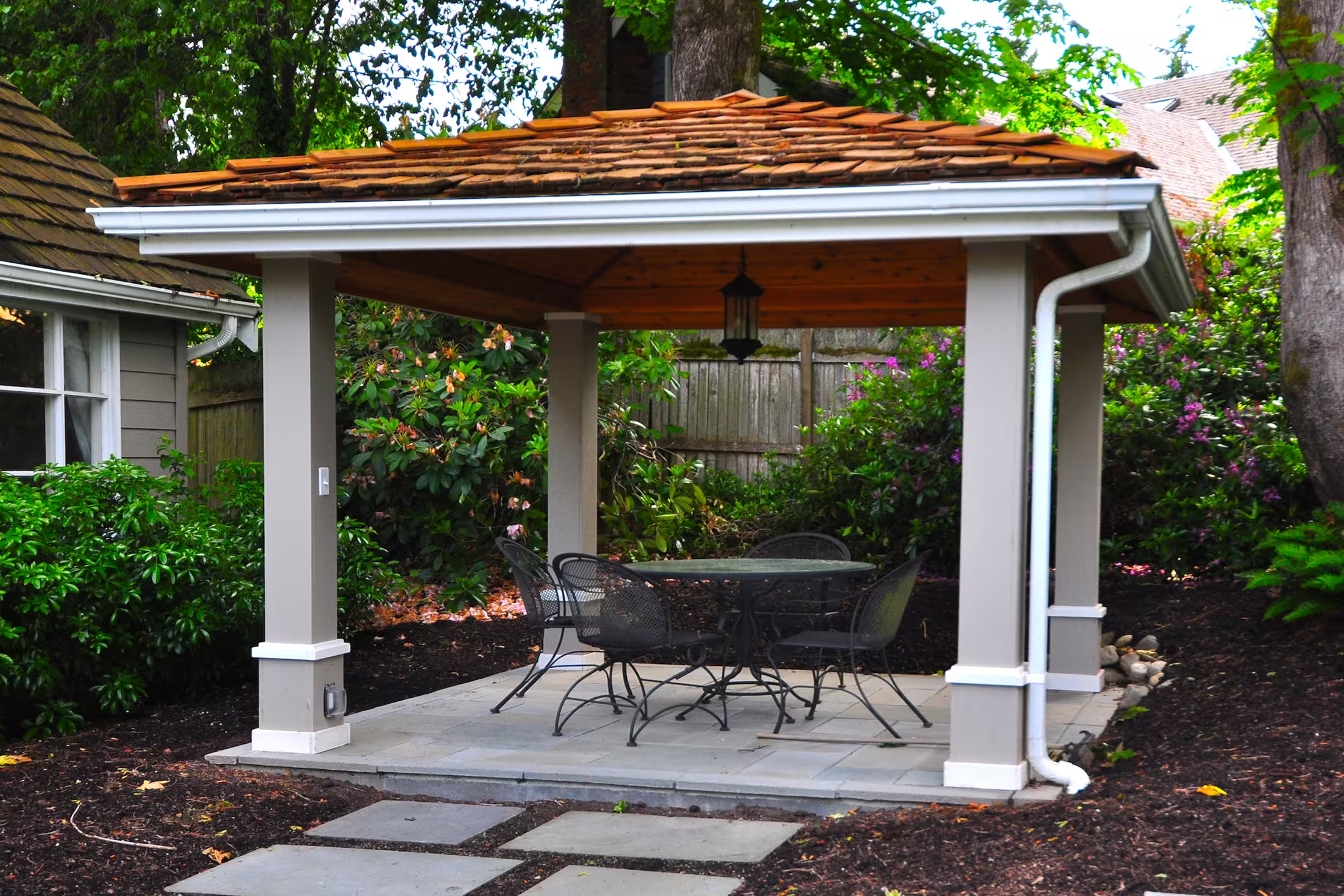
One of the biggest factors in any shelter is what type of roof you want:
Shelters can be an expensive endeavor. But they're also one of the most game-changing things you can do to your yard, because a shelter essentially grows your house.
Of everything you can do in a landscape, covered outdoor spaces are where you'll get a good return on investment. You will get your money back if you sell your house.
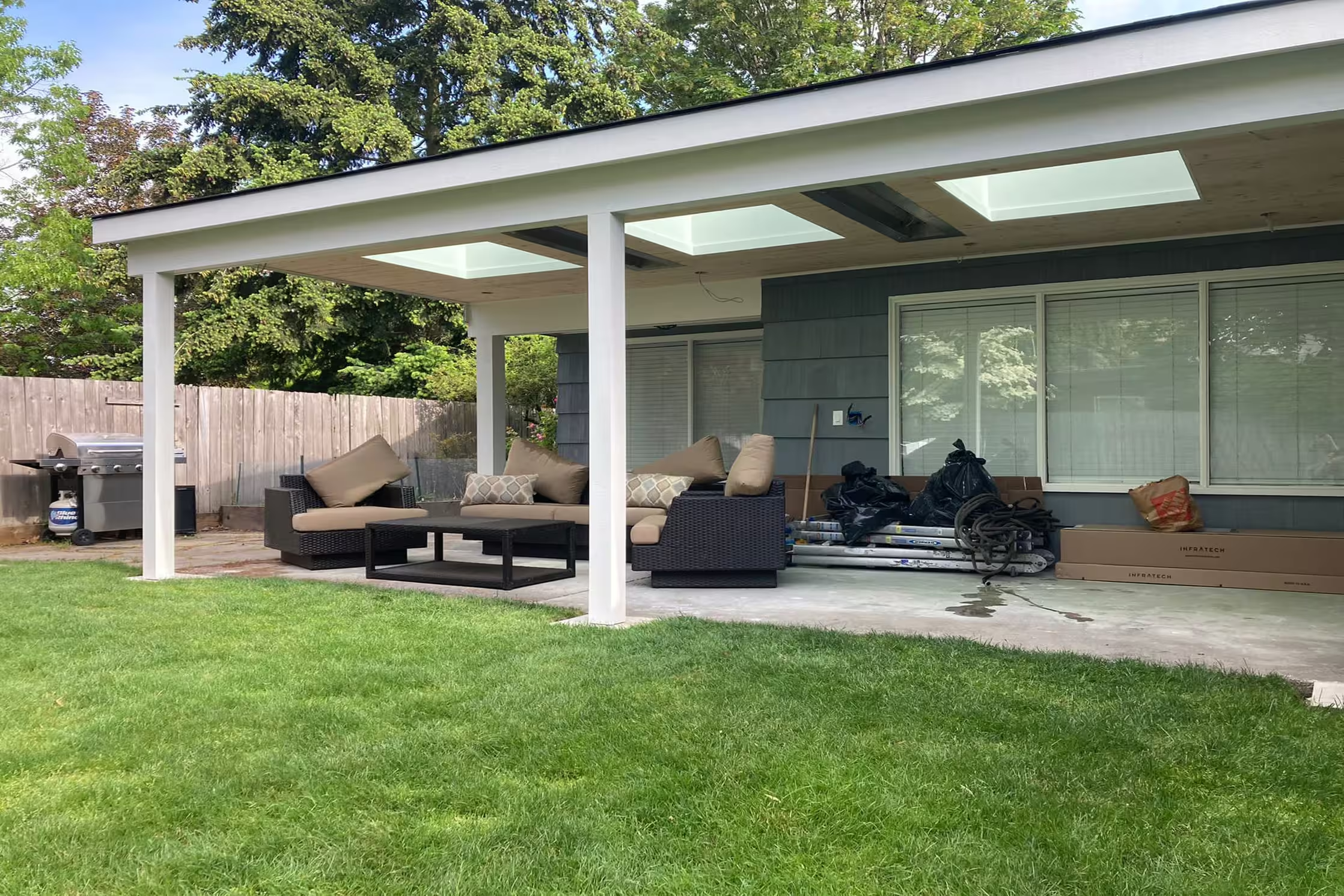
One of our recent builds is effectively a three-season room: a 24-foot steel beam spanning the space with no interior posts, tongue-and-groove paneling on the ceiling, skylights, heaters, lights, and sliding walls that close the room in for winter. It functions as another room of the house that happens to be in the garden.
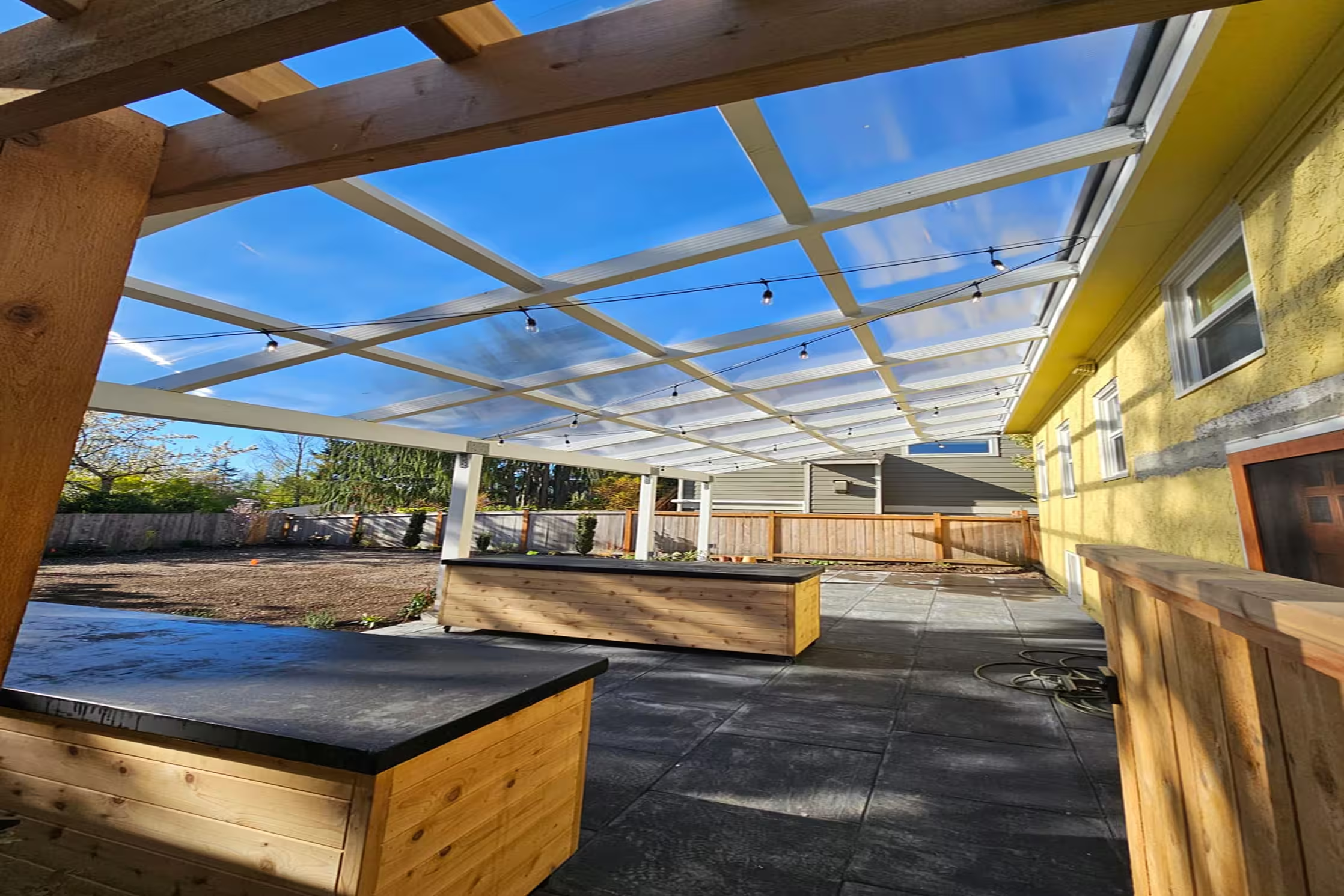
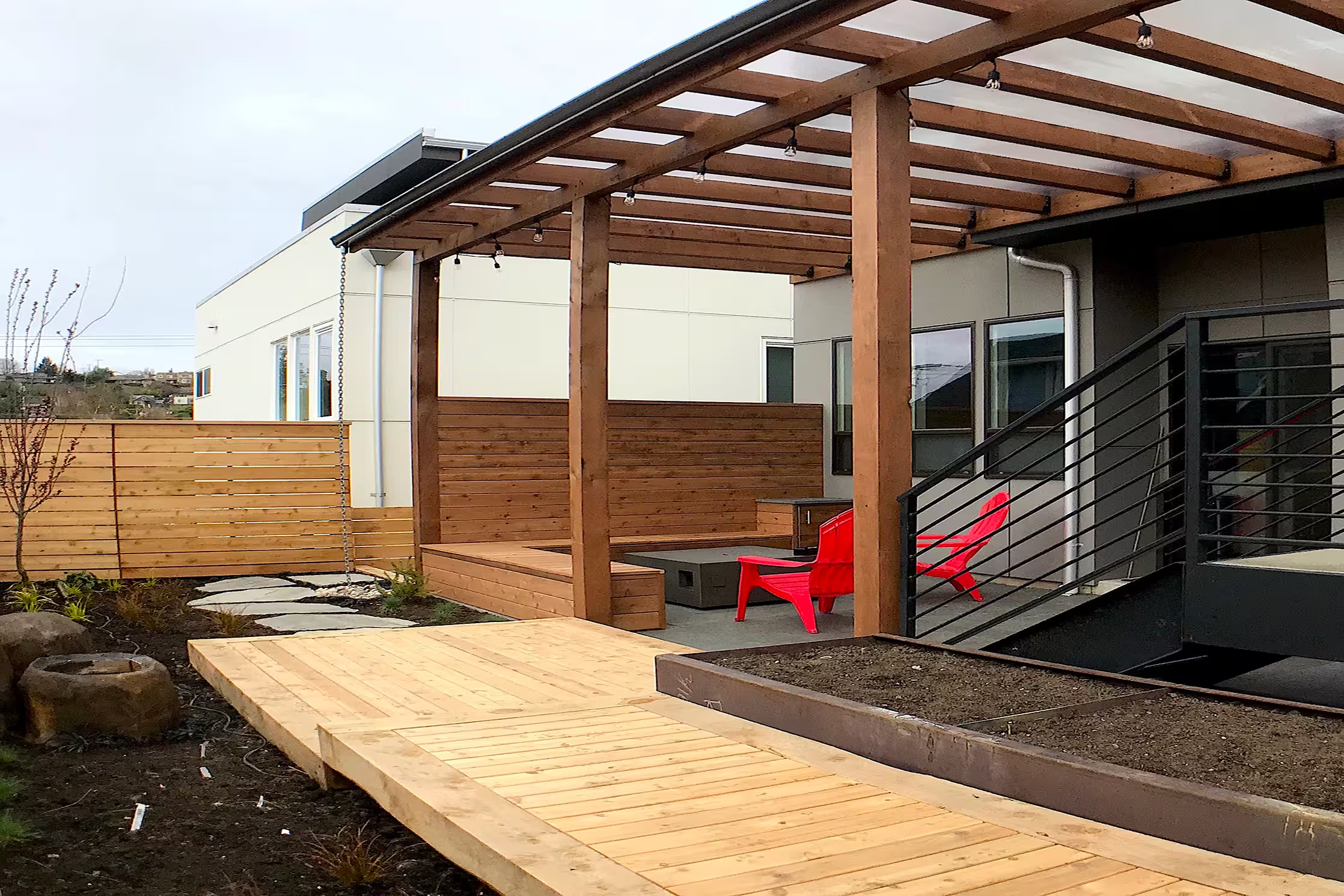
At the lighter end, we've built covered structures over existing decks using translucent polycarbonate roofing — a far more affordable approach that still gets people outside in the shoulder seasons, with all the light coming through.
Does a landscaping company really build structures like this?
Yes. We handle the engineering, the permitting, and the construction. We've built garages, and we could build a house from the ground up — we just choose to do landscaping.
How big can an outdoor shelter be?
We've built shelters up to roughly 800 square feet. They can also be modest — a roof over an existing deck works beautifully in a small yard.
What's the most affordable shelter roof?
Translucent polycarbonate roofing is typically the more cost-effective option, and it creates a very open, airy feel because all the light comes through. Just plan for airflow and shade, since it can heat up like a greenhouse in summer.
Will a covered patio or shelter add value to my home?
Of all the things you can do in a landscape, covered outdoor spaces give you the best return on investment. You will get your money back if you sell your house.
Can a shelter be used in winter?
It can. Heaters, lighting, finished ceilings, and sliding walls let you close a shelter in and make it a conditioned space — which is what turns a summer structure into a true three-season room.
What goes wrong when a shelter is attached to the house?
Improper flashing and structural tie-ins, mostly. Side rain intrusion and blocking daylight from the rooms behind it are the other two we watch closely.