

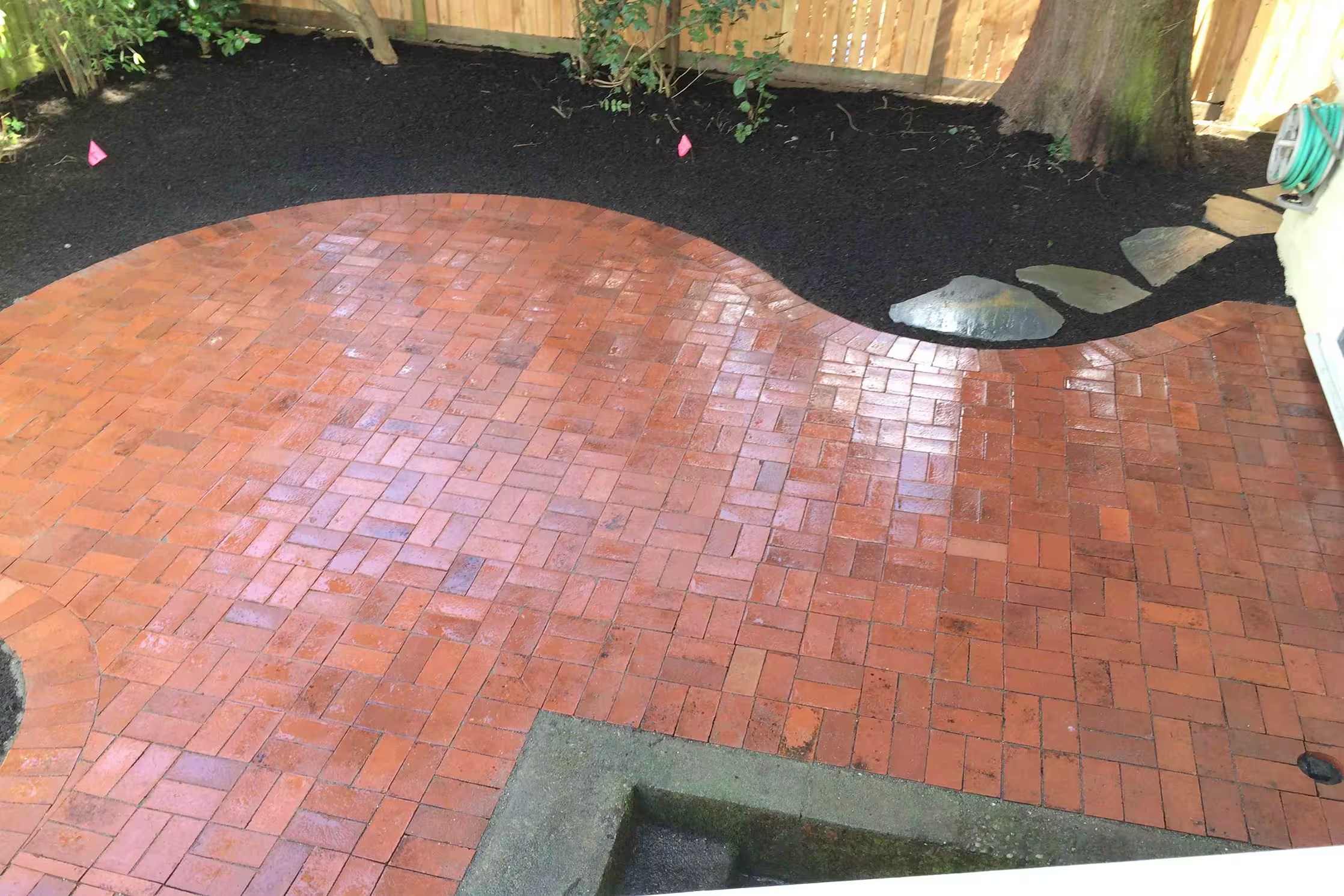
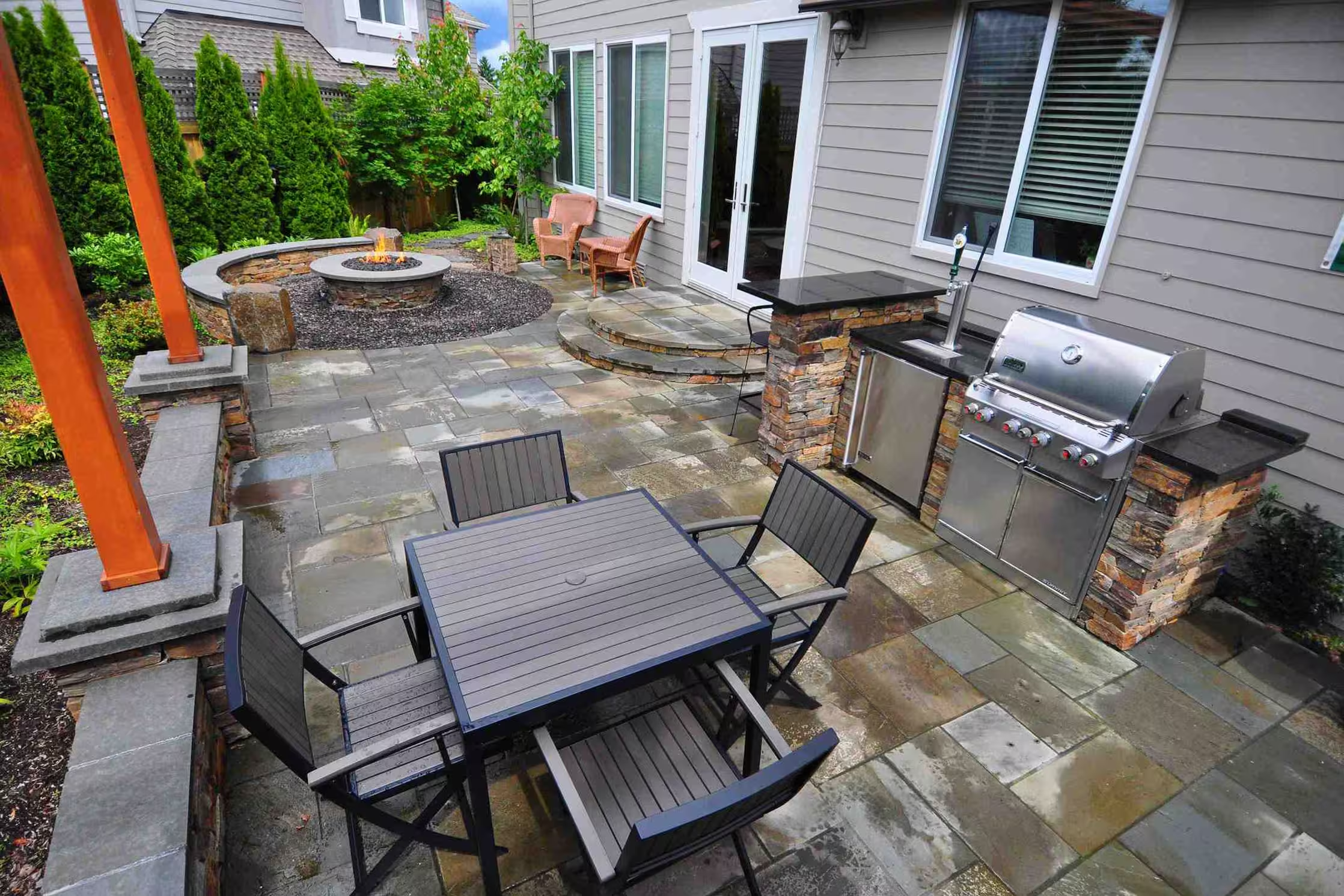
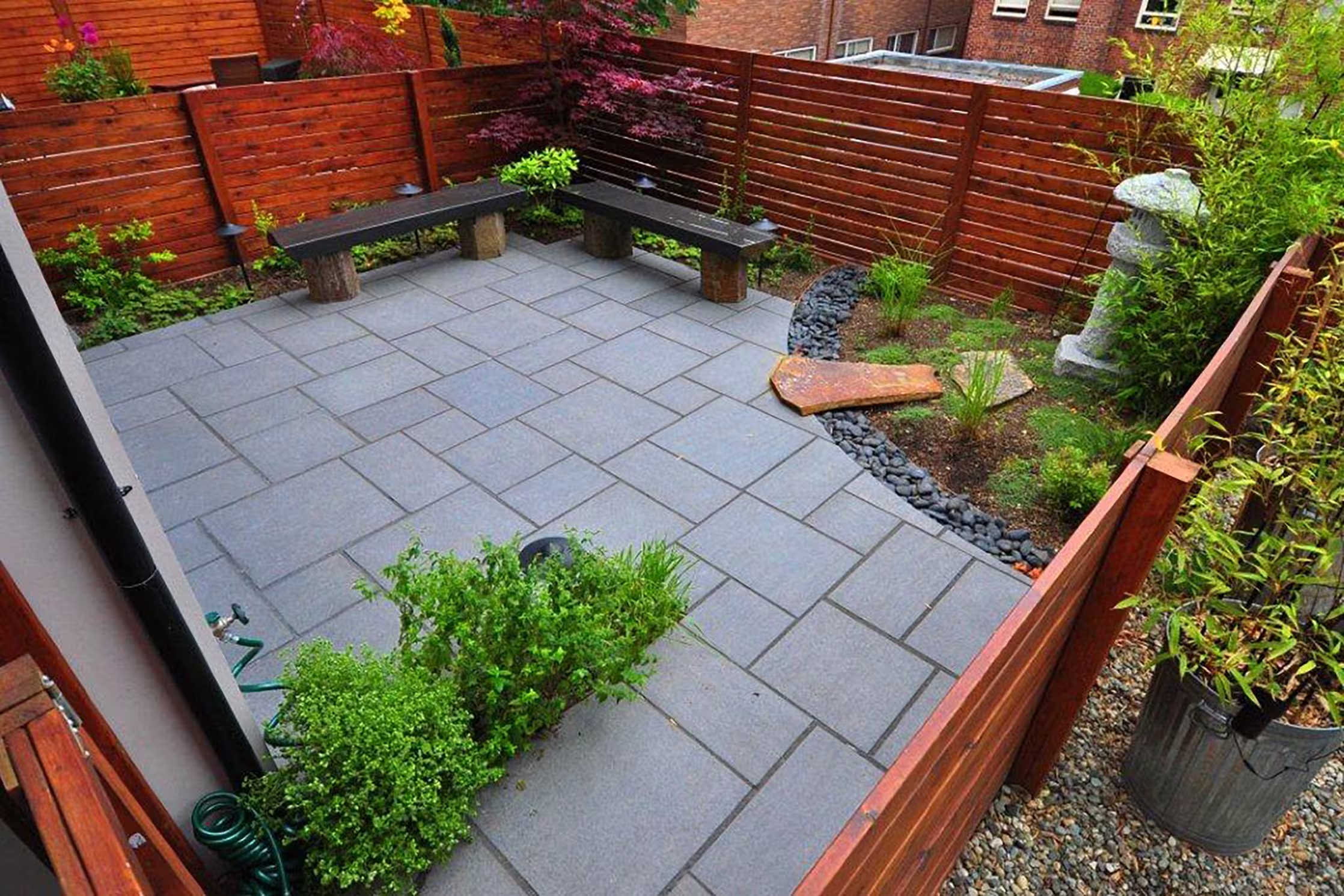
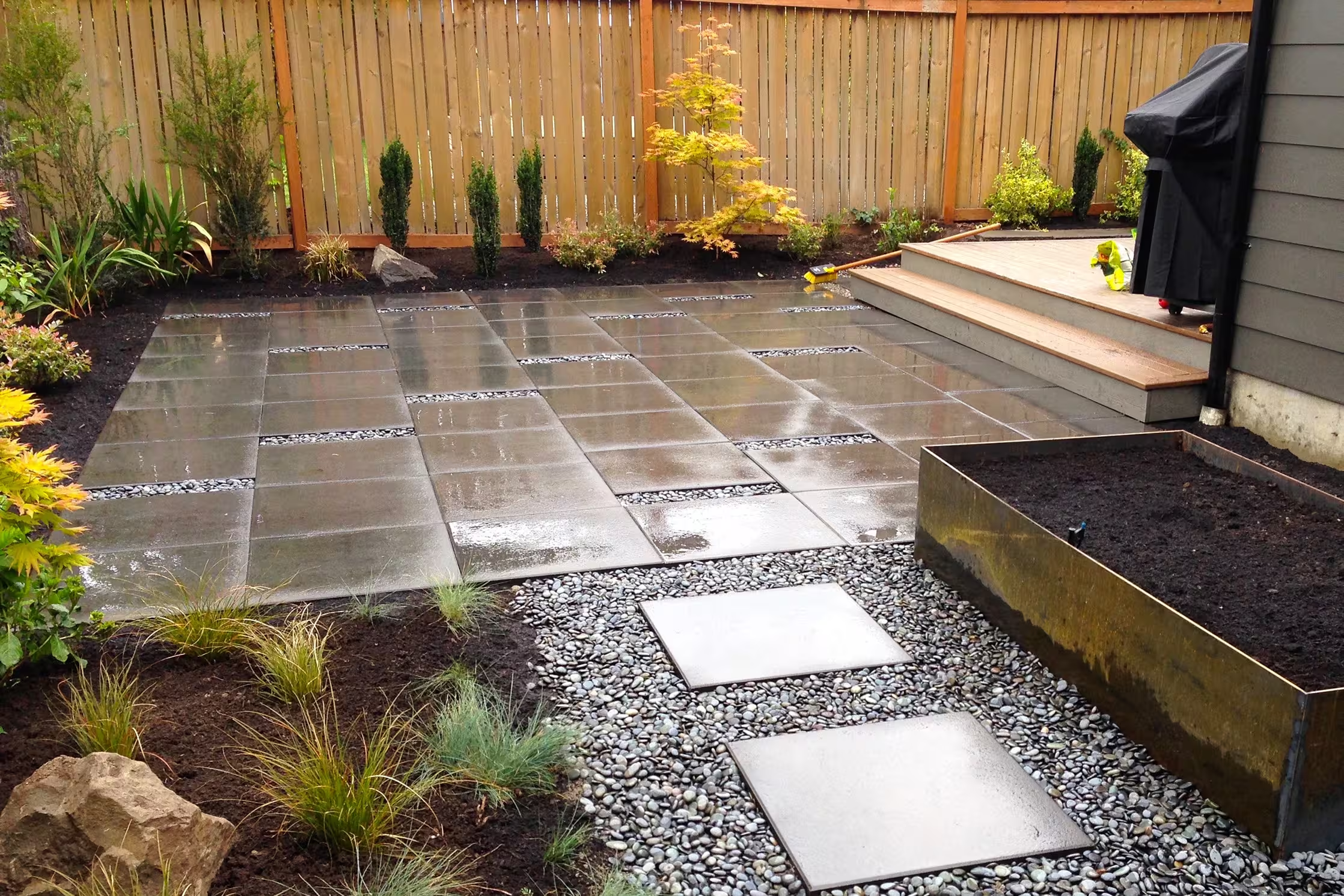
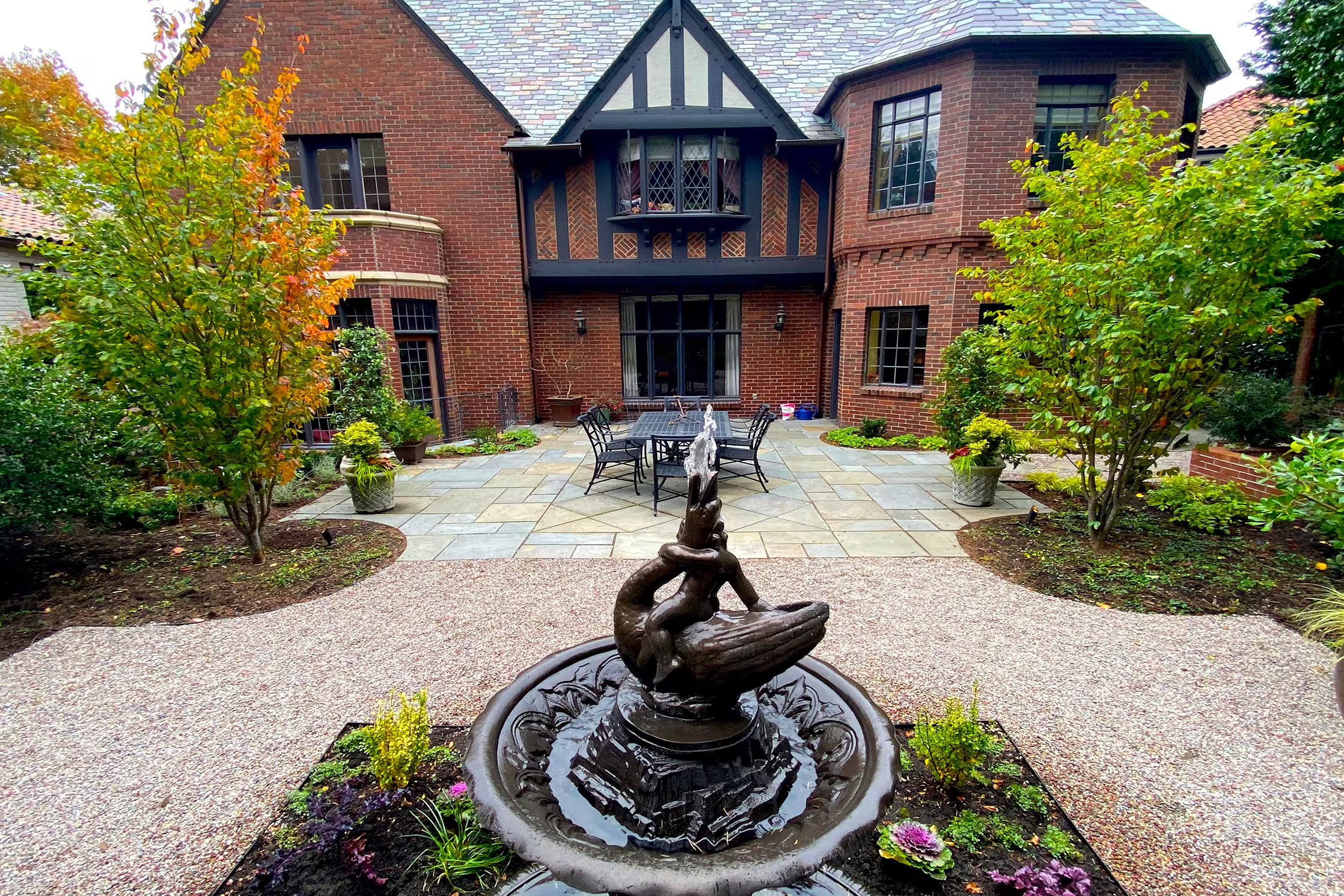
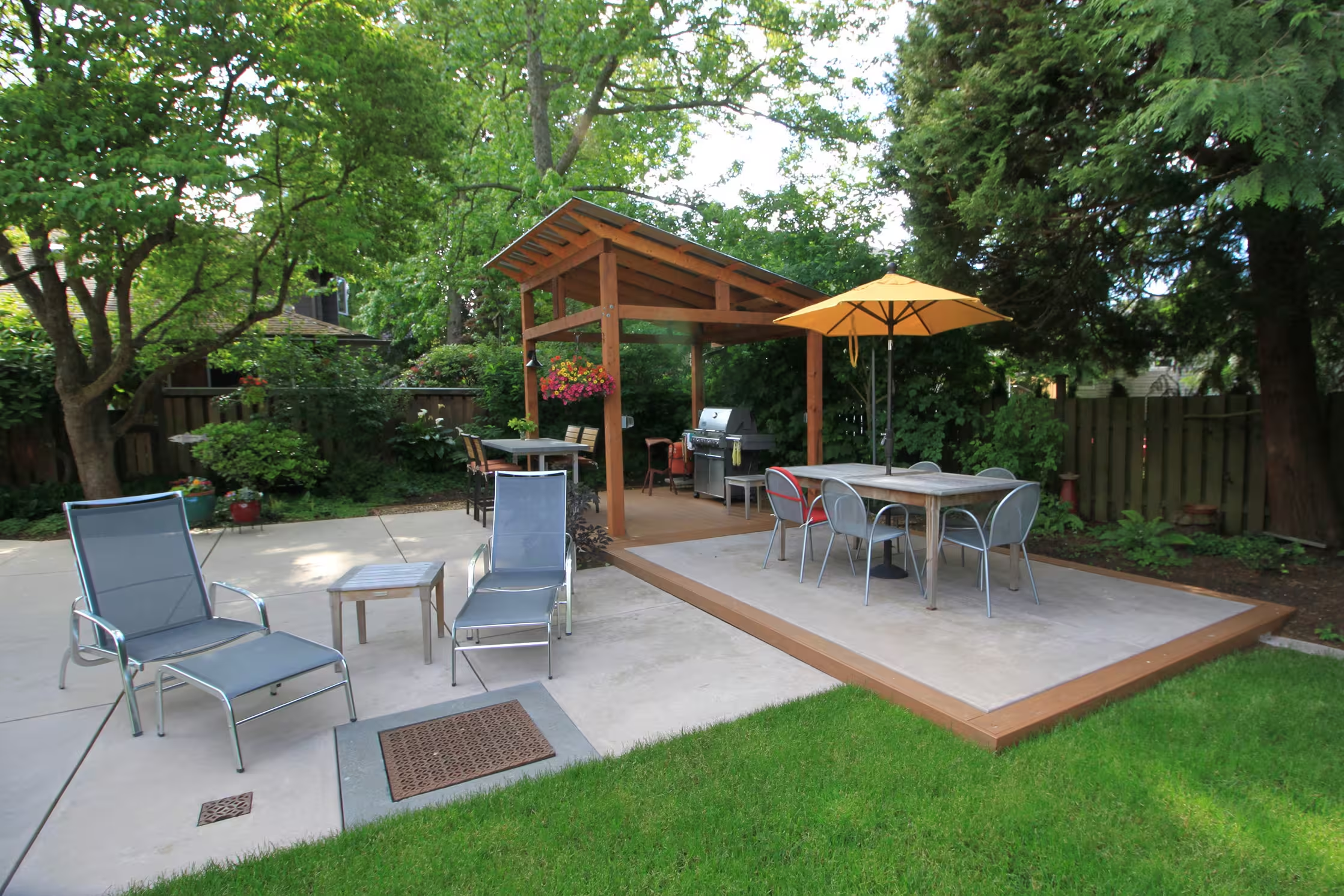
A patio is the answer when your living space belongs at ground level. There's a more intimate feeling to it — a little more connected with nature, because your feet are on the ground. And patios are extremely durable surfaces. Built correctly, they can last for hundreds of years, and who knows, maybe even thousands.
That "built correctly" part is where the whole thing lives or dies.
The perfect patio is well placed and well sized for whatever the uses of the family are. The surfaces should be fairly low maintenance. And it should reflect the aesthetic they're going for.
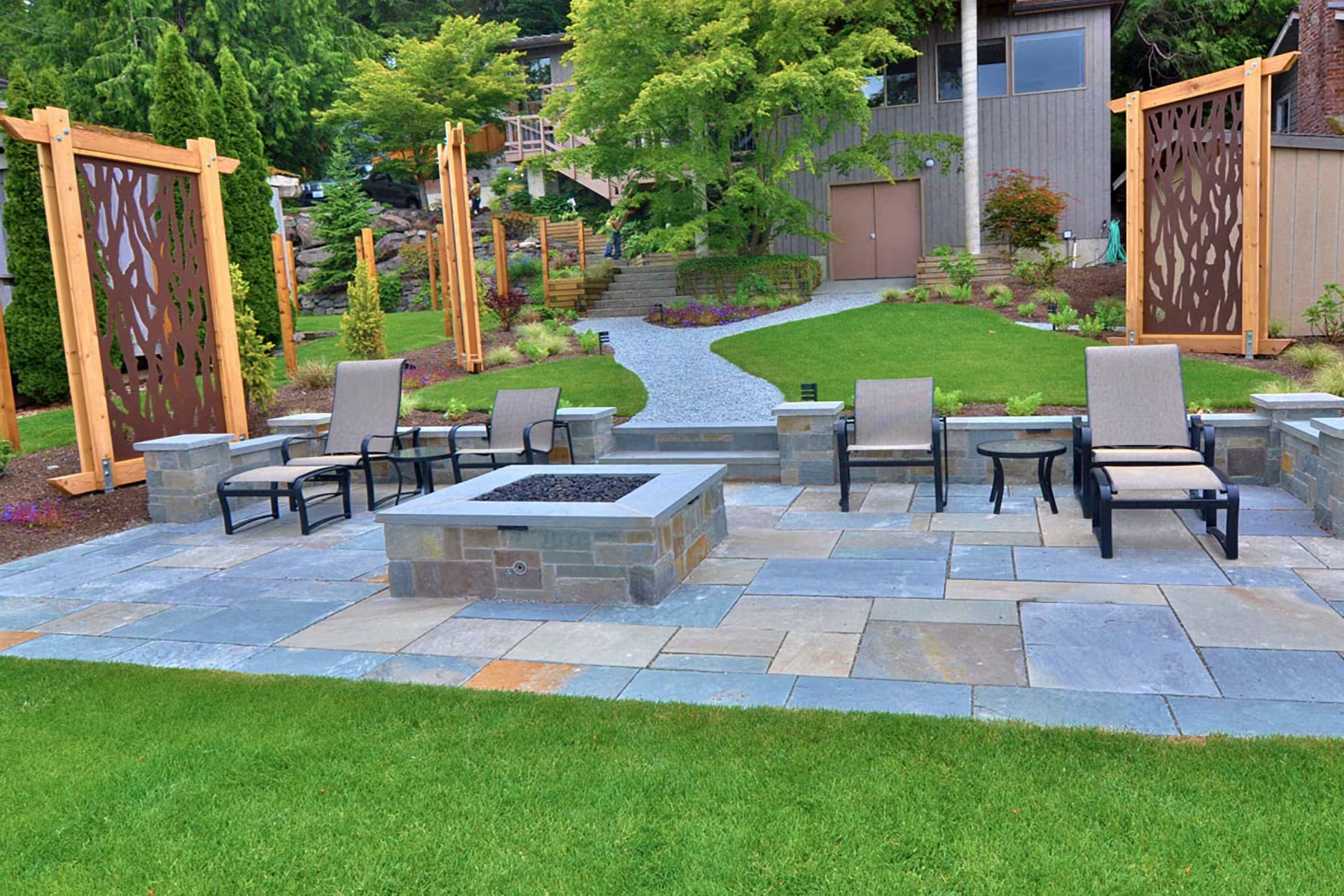
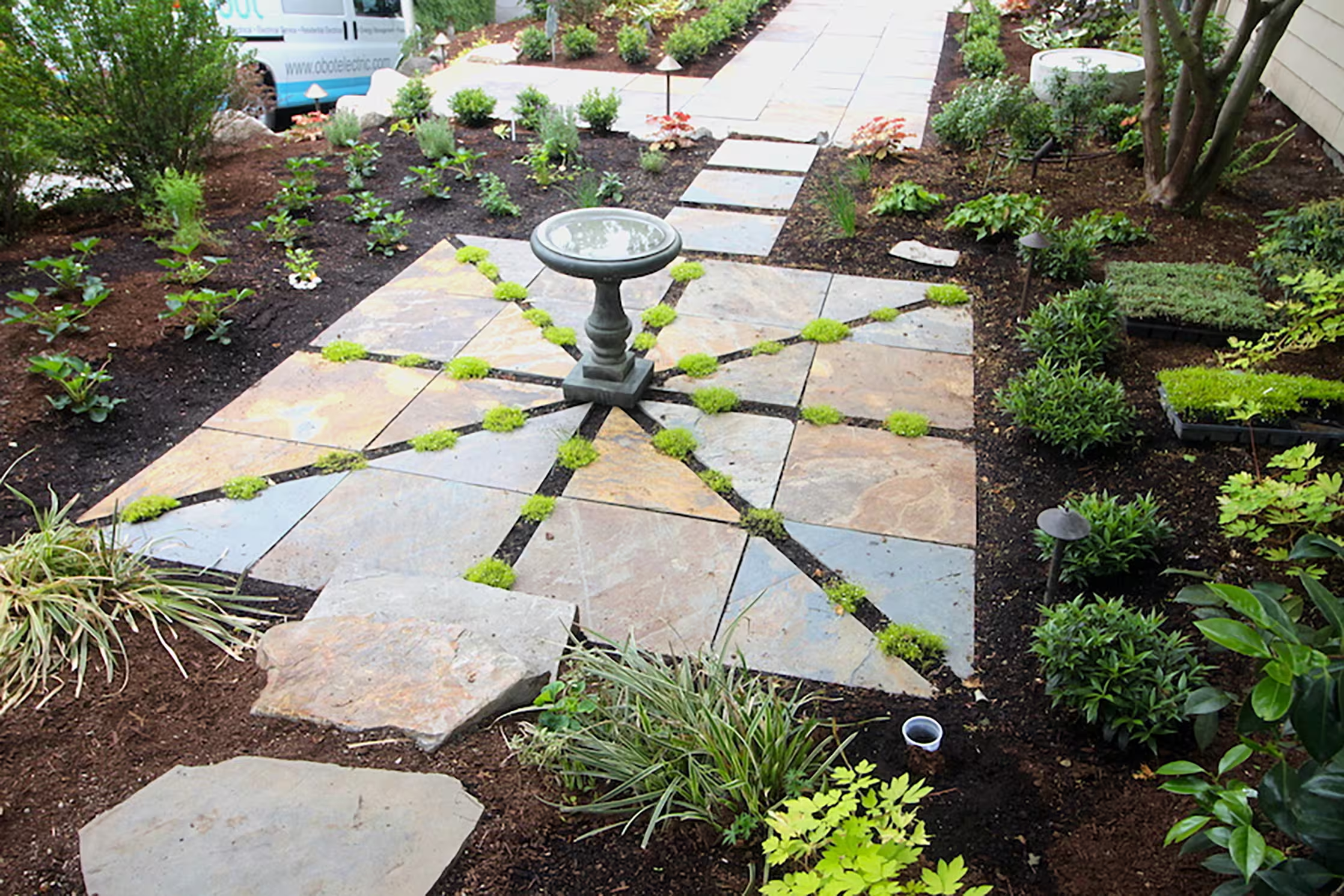
That last piece is where patios get genuinely fun. You can really use a patio to play with a theme and embellish on it. If someone wants a more natural yard, for example, a flagstone patio has a lot of really unique shapes, and there's a craftsmanship you can see in it because each piece is custom fitted. Grow ground covers between the stones and the whole thing softens into the landscape.
There are a number of different materials for patios, and each one has its place:
Gravel is typically a raw, local product, and it drains — it has very good drainage. That matters a lot here. Stormwater in Seattle is a real problem: the system gets overworked, and then it basically overflows into the Sound and into Lake Washington. A permeable surface keeps water on site instead of sending it down the drain.
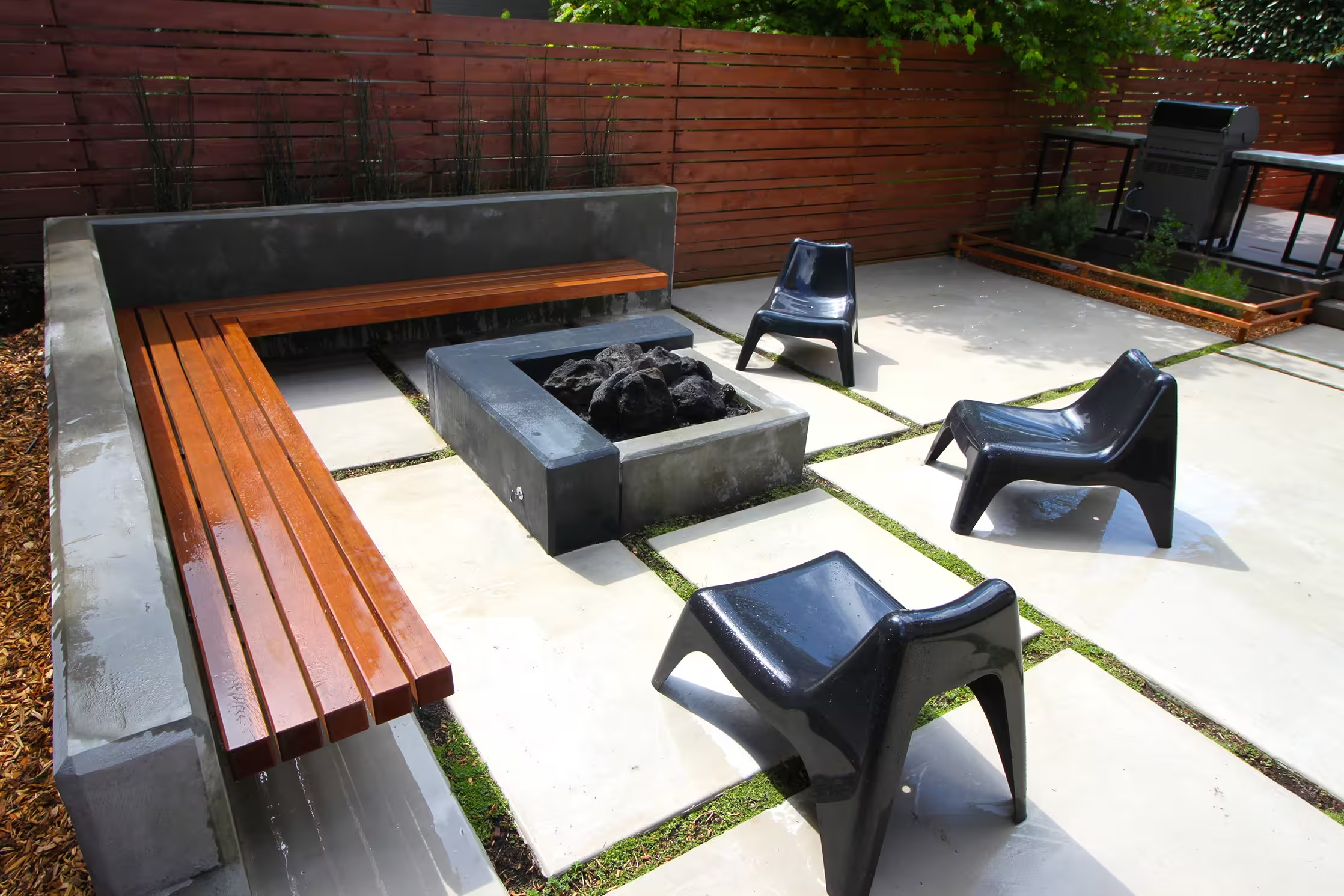
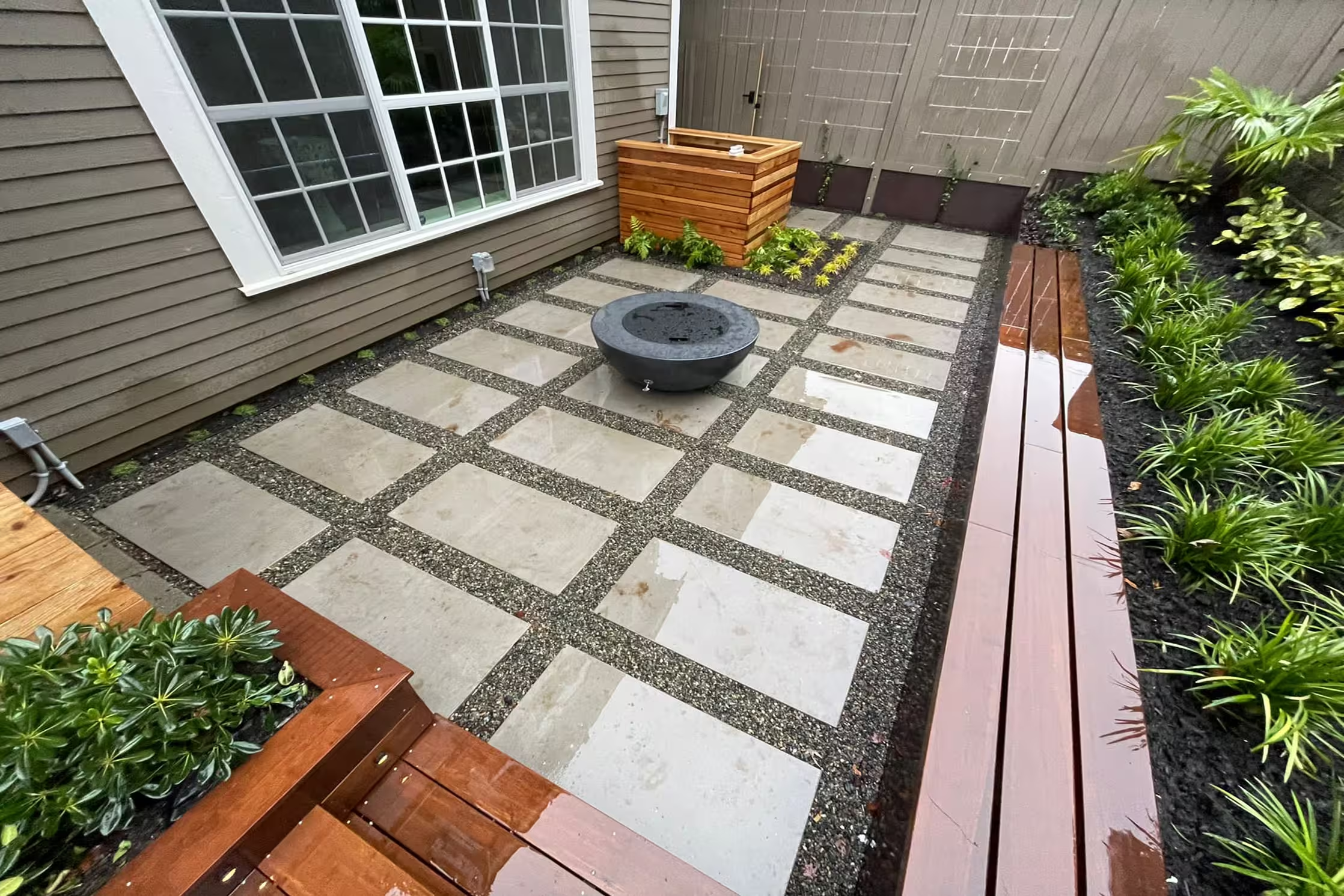
One patio we're especially proud of used oversized black granite pieces with ground cover planted between them. The result is this really bold design — big, functional, usable granite slabs — but with green growing in the joints, so it still has a kind of lawn-meadow feel to it, even though it has all the benefits of a patio. Stone underfoot where you need it, softness everywhere else.
Another approach we return to often is flagstone with custom-fit joints and low ground covers, which suits homeowners who want the yard to read as natural rather than constructed. Each piece is hand-fitted, and you can see the craftsmanship in it.
Sage and Stone makes patios that are built to last. The base needs to be prepped properly — the right gravel mix, proper compaction, and careful detailing around the edges.
The subsurface isn't prepared properly. This is the biggest mistake we see, and it's the most common DIY failure. We get called in to reset all the stones or pavers pretty often.
Drainage is an afterthought. You need proper slope going away from the house, and a place where the water can actually escape to.
Both of those problems are invisible on day one and expensive on year three. Getting them right the first time is most of the job.
What's the best material for a patio?
It depends on your aesthetic, your budget, and how sustainable you want to be. Natural stone offers the widest range of color and texture, including local options. Pavers and porcelain pavers give you a modular, extremely durable system in almost any look. Poured concrete is contemporary, low maintenance, and cost-effective. Gravel is the most sustainable and the lowest cost.
How long does a patio last?
Built on a properly prepped base, patios are extremely durable surfaces that can last for hundreds of years. The material matters less than the base beneath it — most patio failures are base failures.
Why do pavers sink or shift?
Almost always because the subsurface wasn't prepared properly. Without the right gravel mix, compaction, and edge detailing, the base moves and takes the surface with it. It's the most common problem we're called in to fix.
Are gravel patios a good option in Seattle?
Yes. Gravel is typically a raw, local product with very good drainage, which helps keep stormwater on site instead of overwhelming the system — a real issue here, since overflow ends up in the Sound and Lake Washington. It's also lower cost and works beautifully in a natural garden.
Can you plant between patio stones?
Absolutely, and it's one of our favorite techniques. Ground covers between flagstone or oversized stone slabs soften the whole space and give it a lawn-meadow feel while keeping all the function of a patio.
Should I choose a patio or a deck?
Patios work at ground level and feel more intimate and connected with nature. Decks are framed structures that expand your interior living space, work well on grade changes, and can create usable dry space underneath. Many yards benefit from both.