
The heartbeat of the landscape.
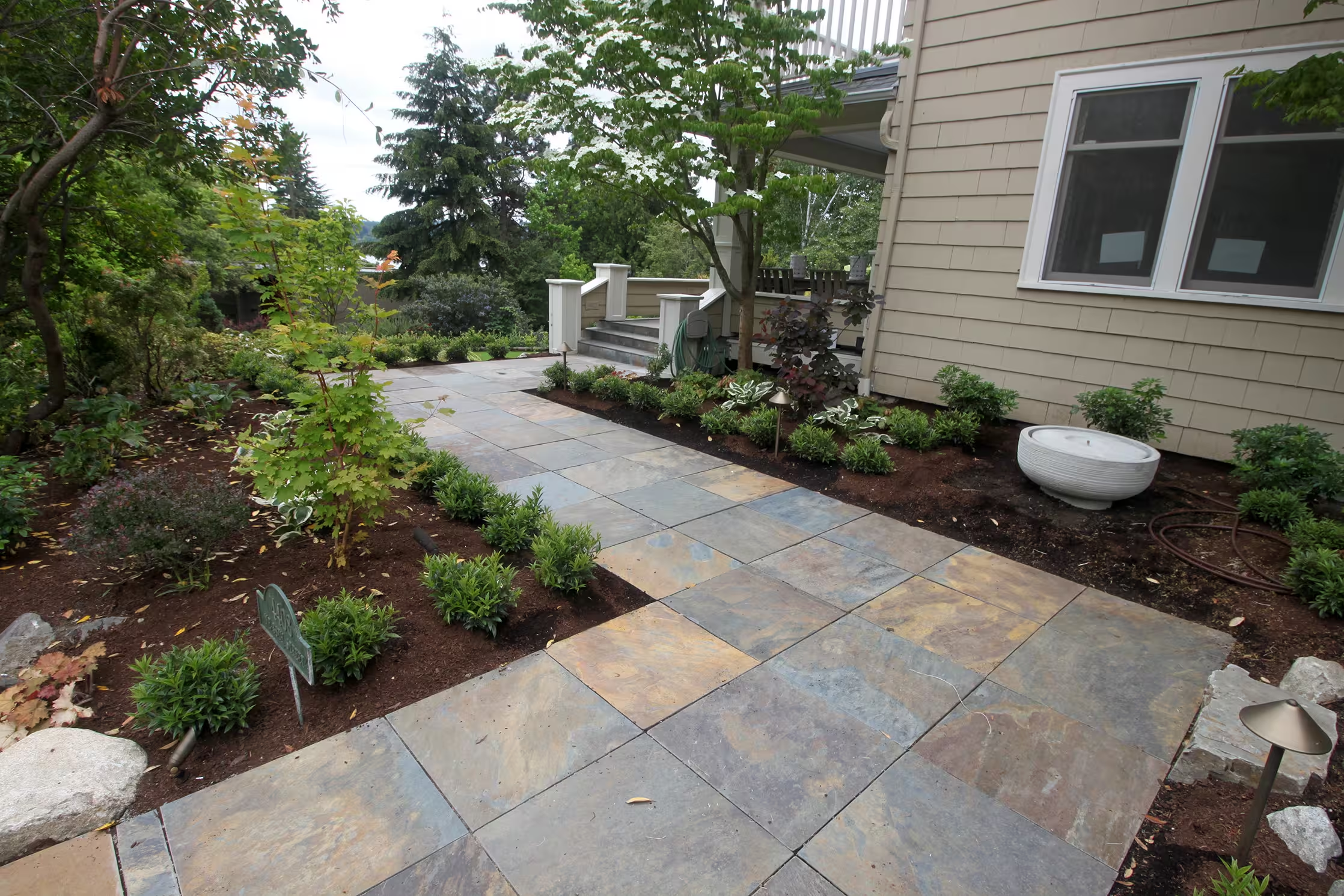
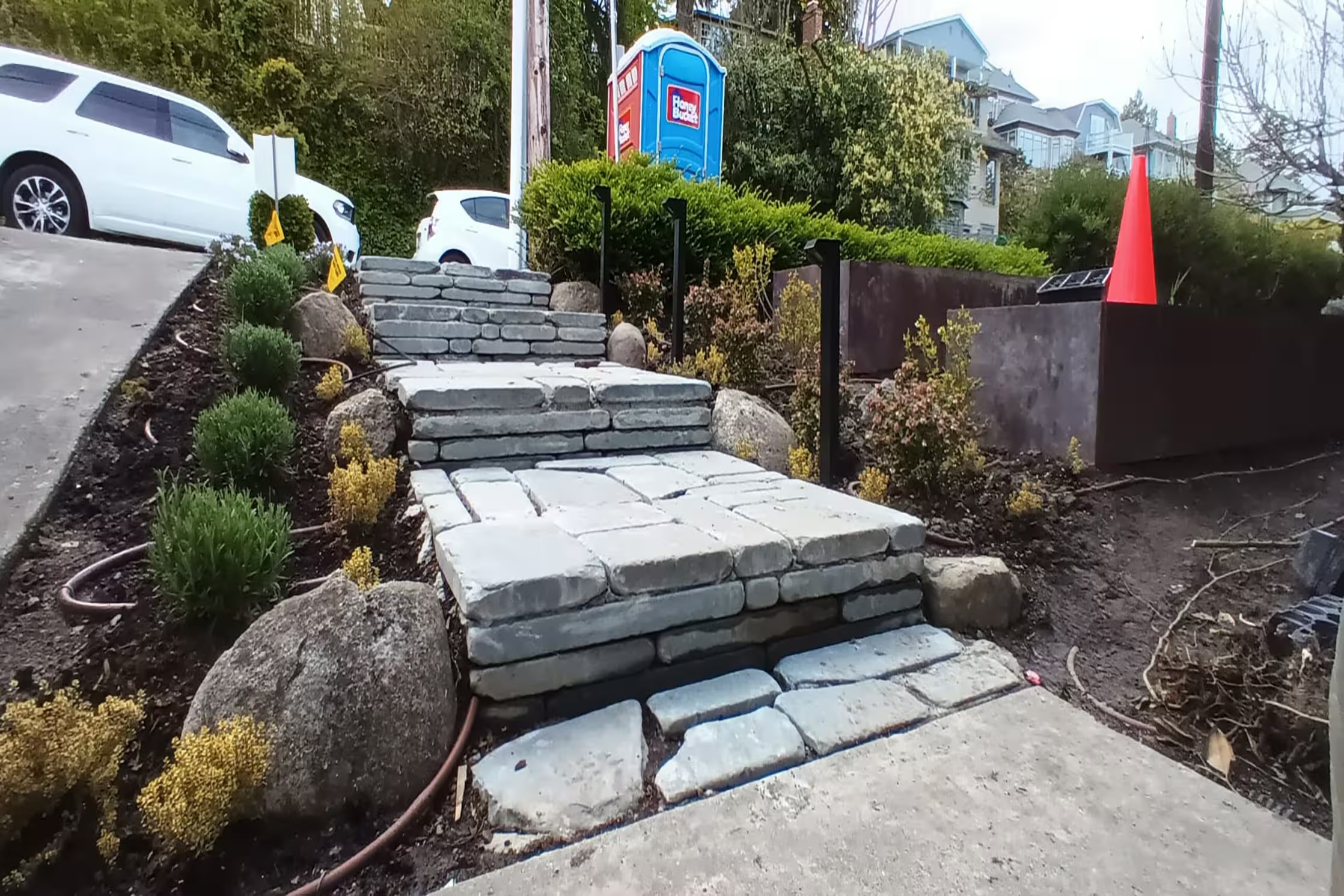
Pathways set the tone. They’re the heartbeat of the landscape, and when you get one right, you can tell — it not only adds character, but feels right underfoot.
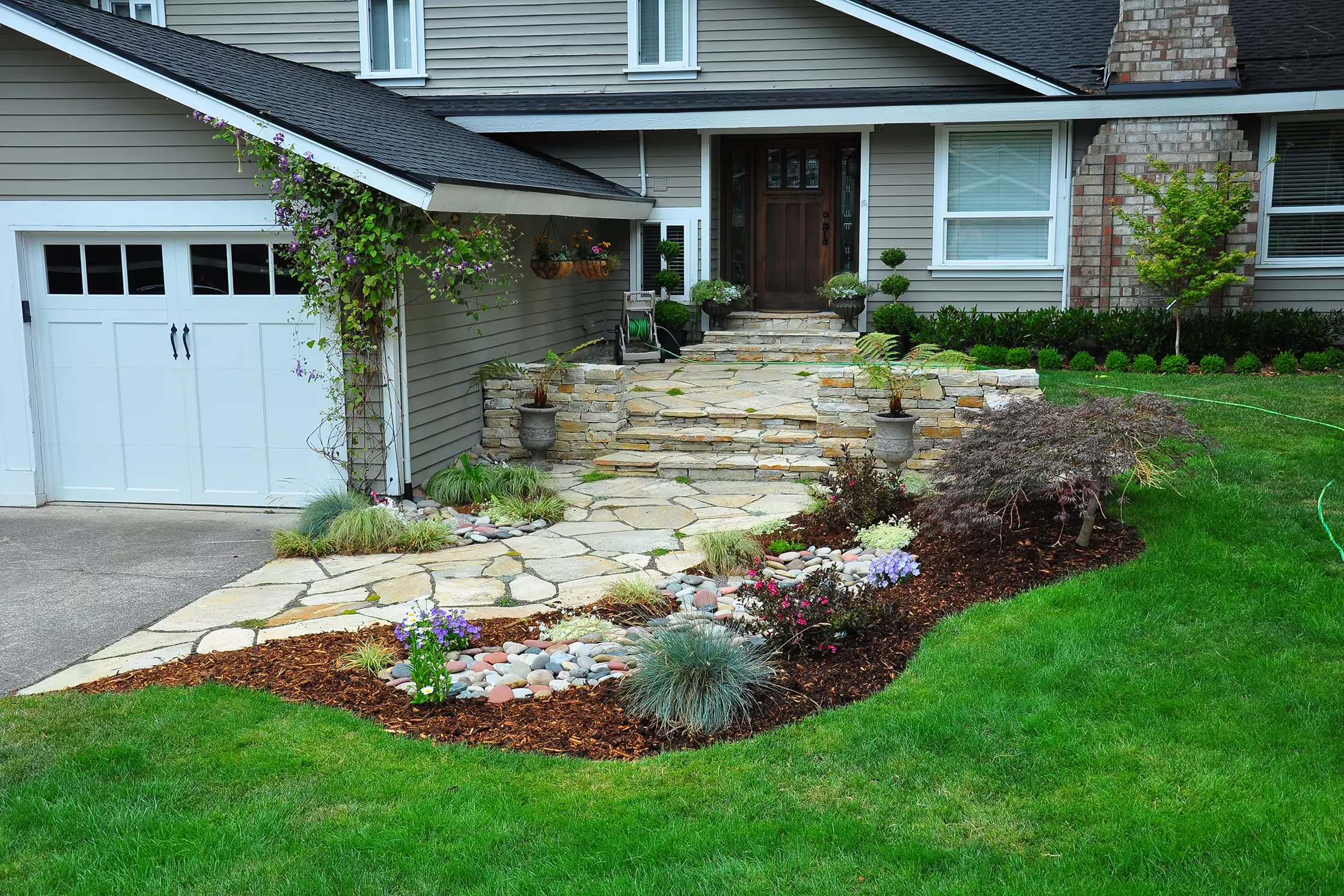
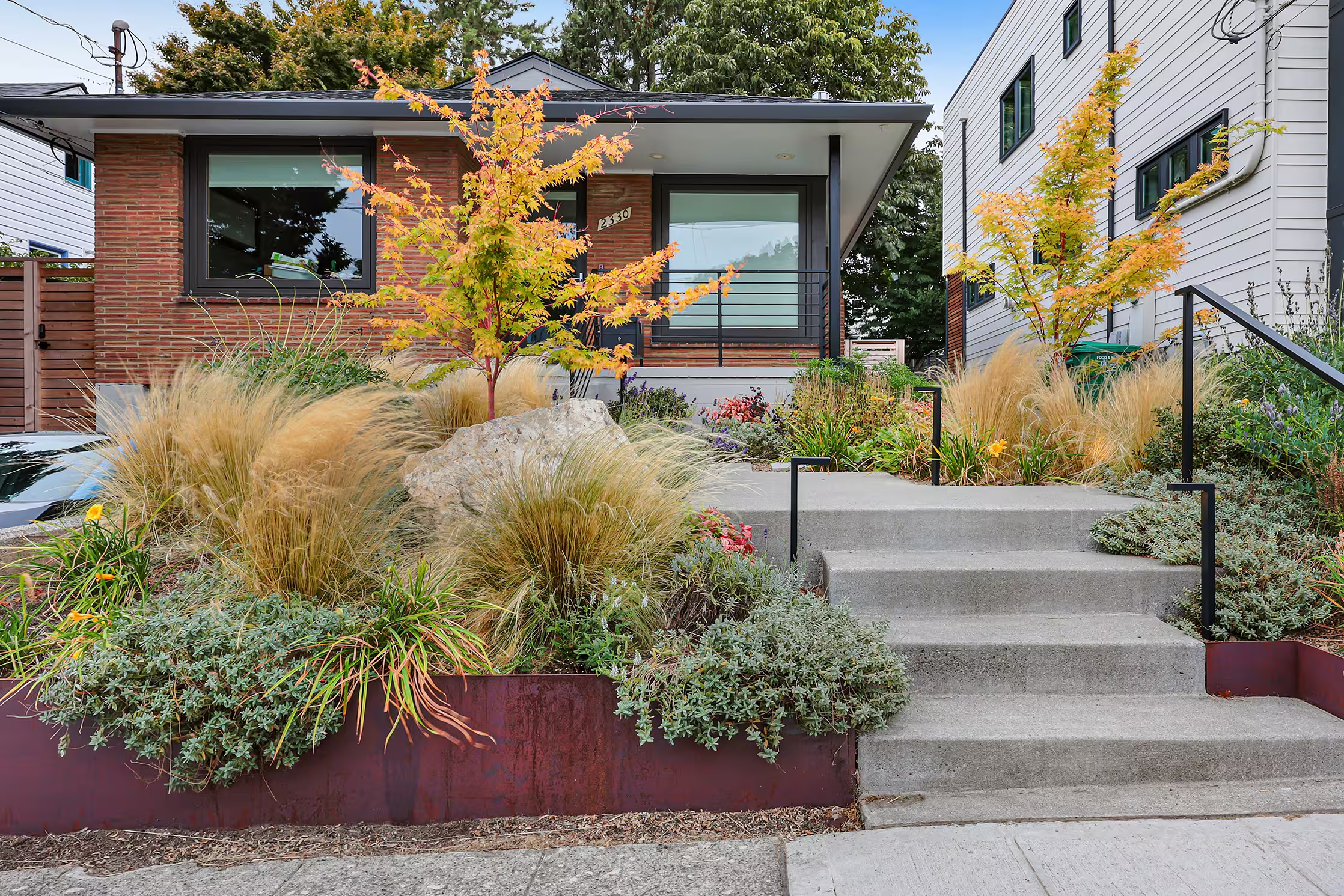
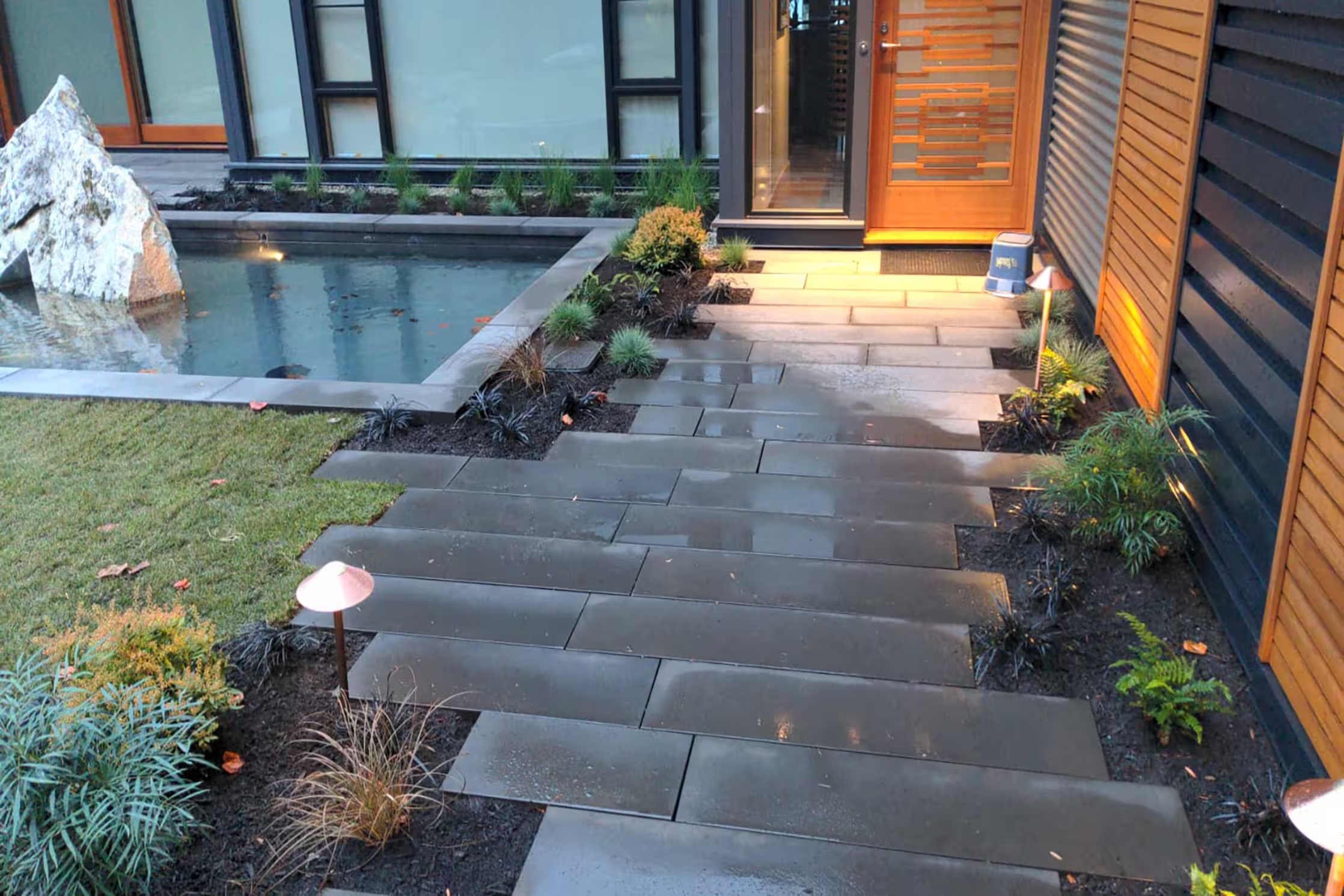
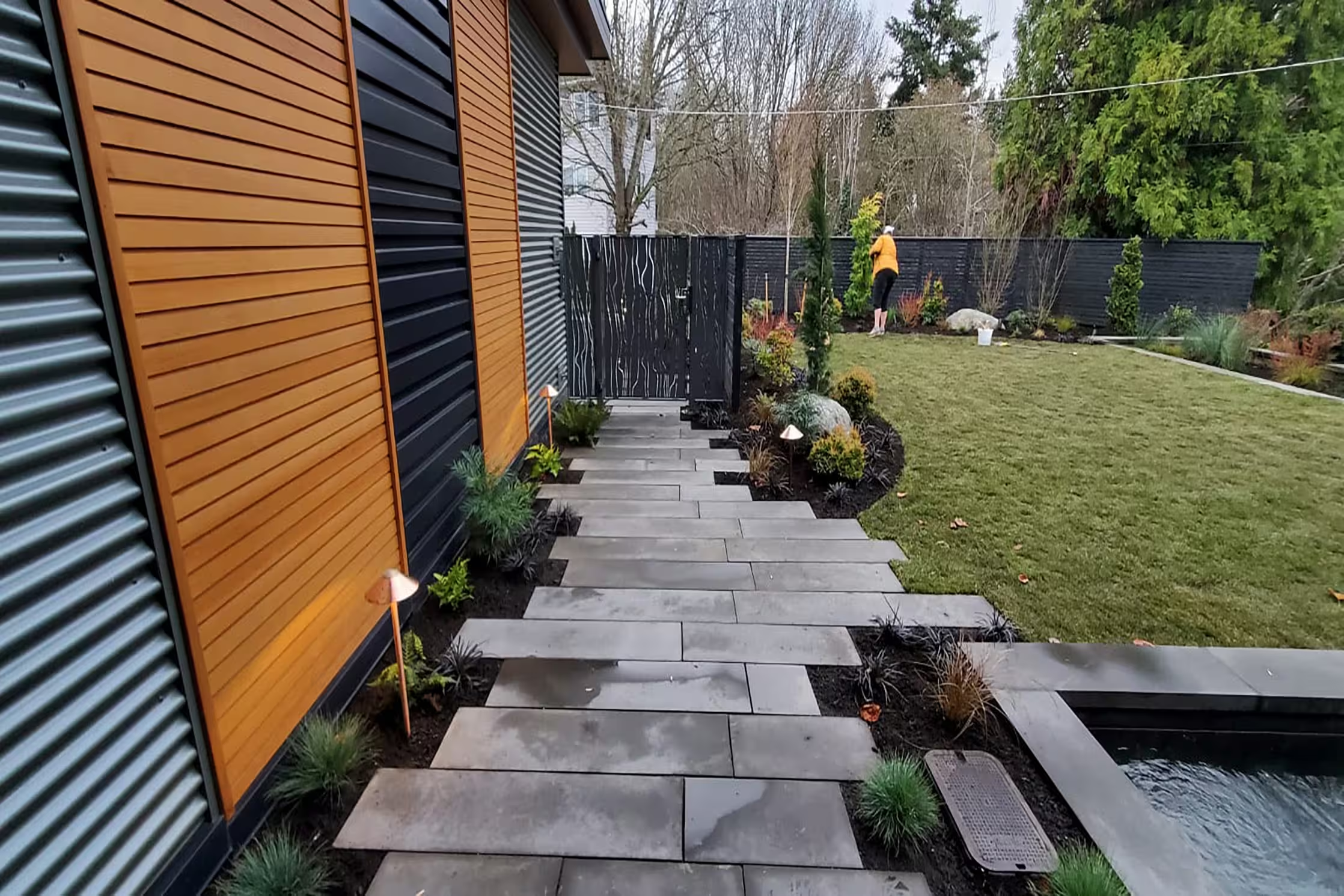
There’s a functional job to do, obviously. But a path is also a place where you can really play with design. One client might prefer a pathway that runs straight from the street to the front door: efficient, clean, modern, exactly right for her. Another client will tear out a driveway to create a naturalistic trail that feels to a hike up the mountain to reach her refuge after work.
We work to a few rules about width, because width is what determines whether a path feels generous or grudging:
There’s one more rule worth knowing: whatever width a path starts at, it will get smaller over time as the plants creep and billow over the edges. We plant with that in mind.
Pathways can be virtually no maintenance, or they can be high maintenance, and the difference is mostly about seams.
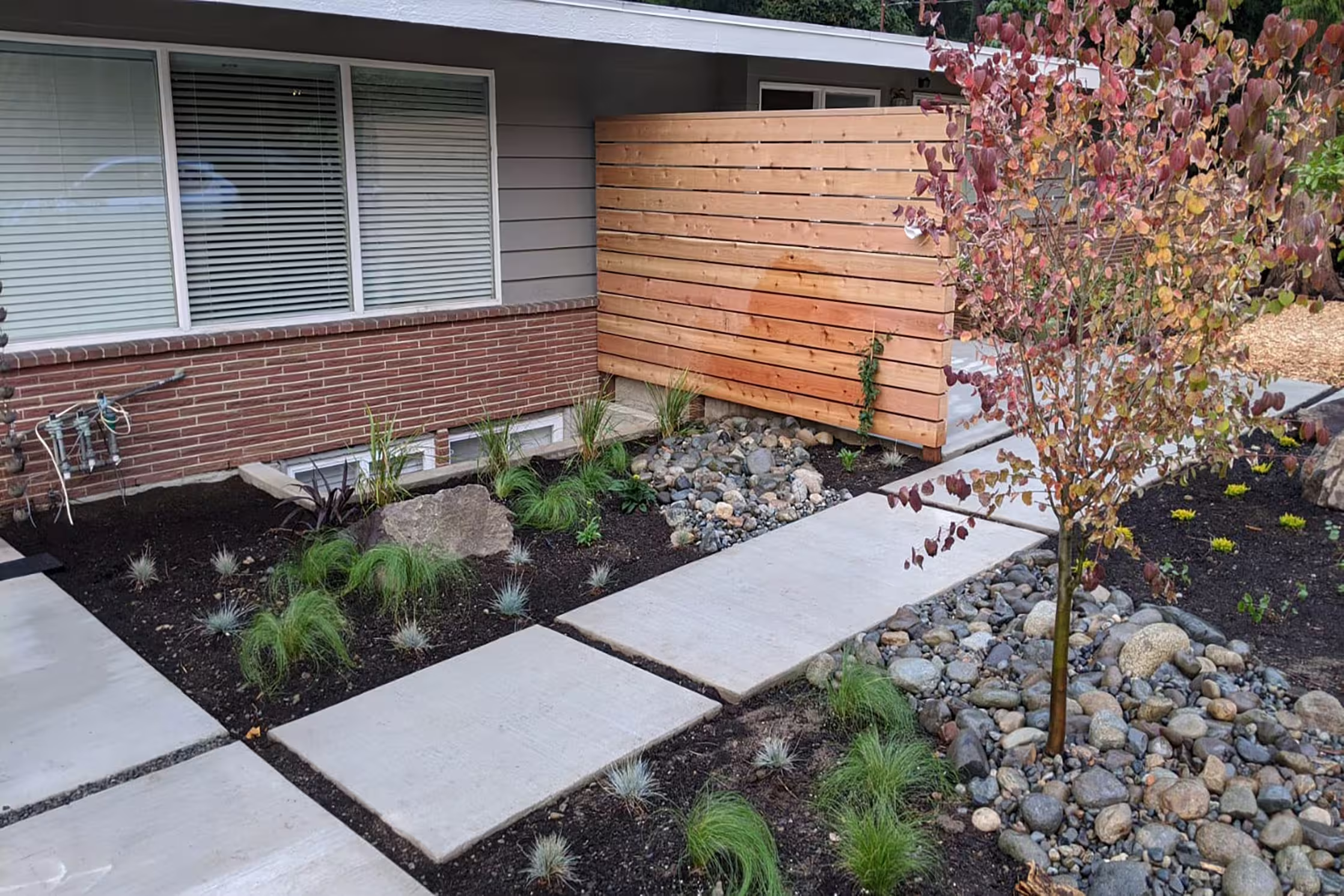
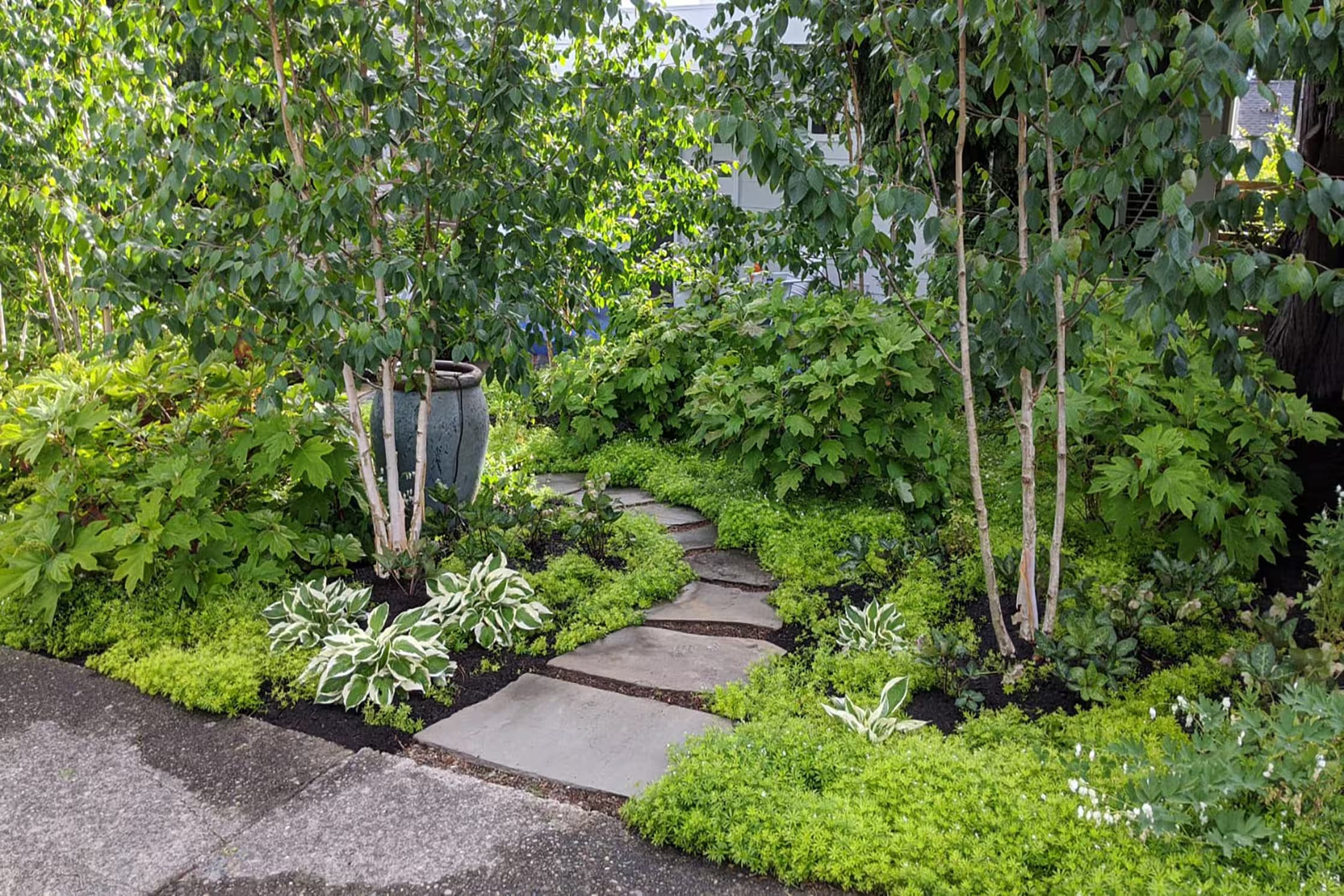
One move we come back to often: a stepping stone path built from stones about three to three and a half feet wide, with a single seam down the middle. You get the full width of a functional path and that magical flagstone feeling, without feet upon feet upon feet of seams to weed out.
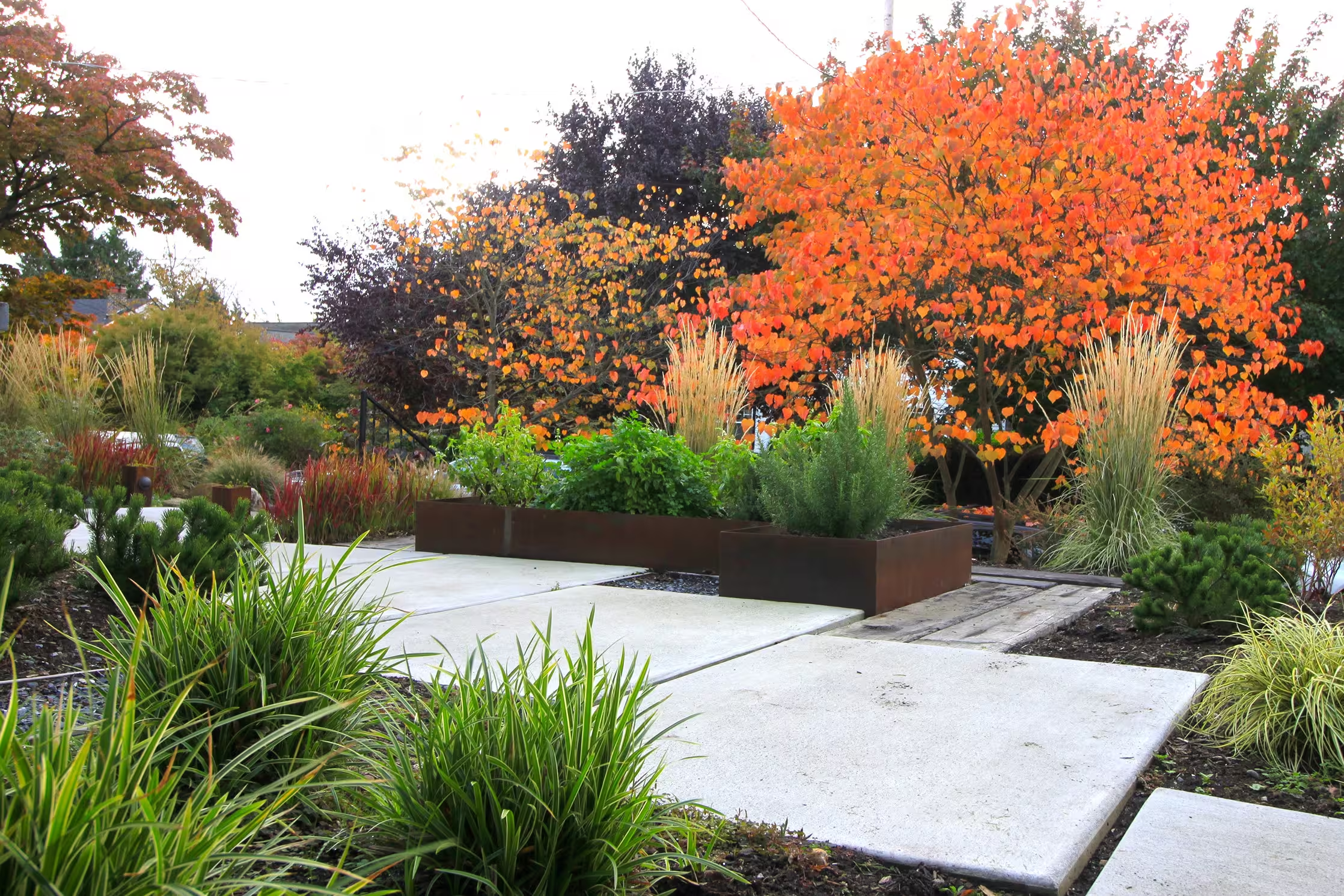
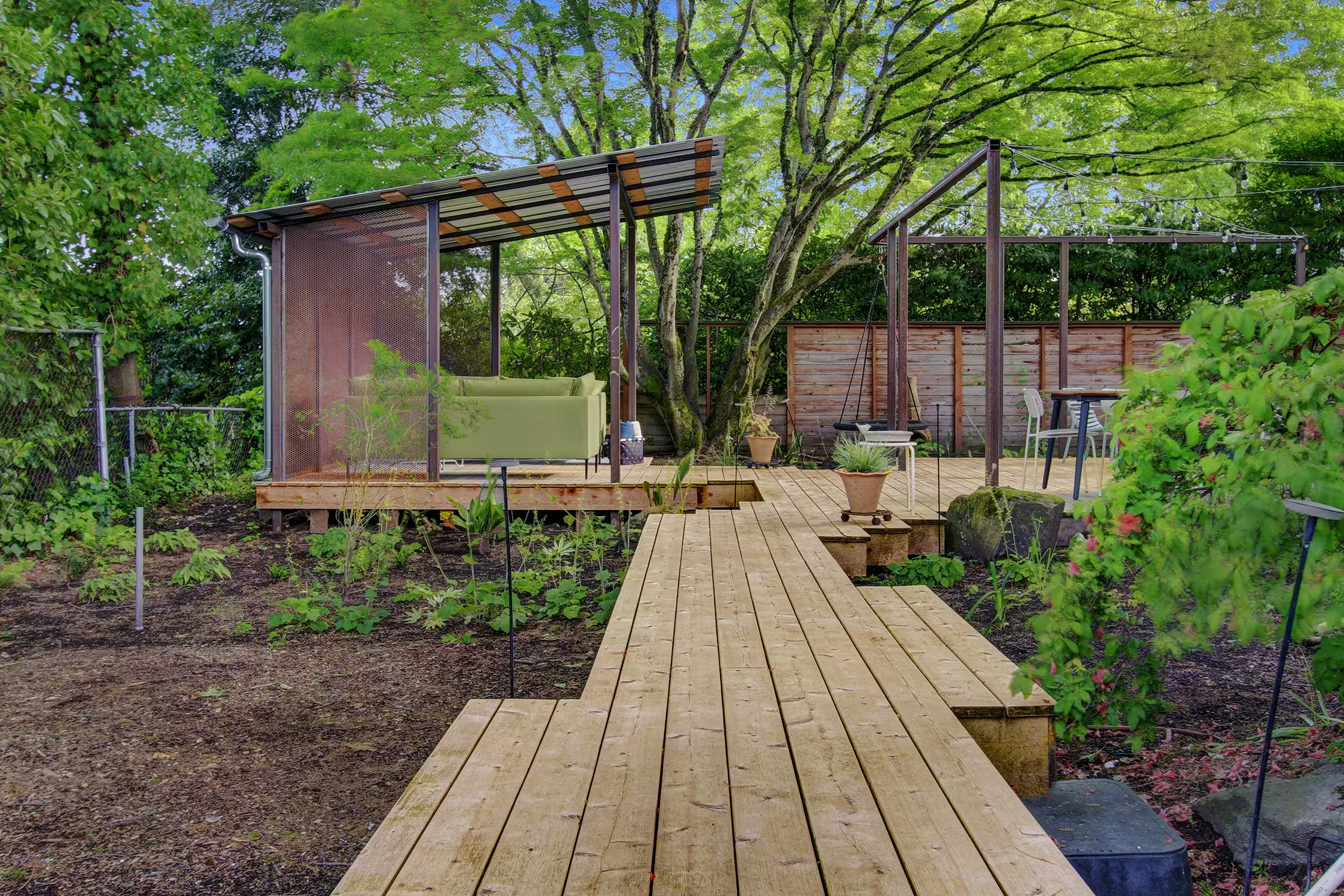
We love boardwalks. They’re specifically useful when you’re trying to protect tree roots.
One project we built centered on a massive heritage elm. The entire goal was to protect that tree while still giving the family usable living space, and a boardwalk does exactly that — it’s almost like floating through an established landscape instead of building on top of it.
There’s a related idea we find ourselves talking about a lot. In Seattle the lots are small, so there’s a part of all of us that wants to use every square inch. But you don’t need to use the whole thing, and sometimes the best use is just to stay off it. Let the plants grow. Don’t compact the soil. Use what you need, and the rest becomes a beautiful tapestry you can live inside.
Putting paths everywhere. You don’t always need a path. It is okay to walk on lawn! It is okay to walk on gravel. Paths take up space and they cost money, so sometimes the right answer is that your lawn is your path to the backyard — a little mud on your shoes isn’t the worst thing on the planet.
Overdoing the curve. A little curve or texture almost always makes a path more interesting than a straight line. But you can overdo it, at which point it just looks dizzy, or it makes you mad every time you walk it.
Getting the stepping stone spacing wrong. These are the easiest paths to mess up. Every person has a natural walking gait, and they’re all slightly different, but around 30 inches on center works for most people. Set the stones at 24 inches and you feel like you’re taking baby steps or awkwardly skipping one — and if you live there, we promise it will make you mad.
How wide should a garden path be?
We don’t go below four feet for a primary entry path, around three feet for secondary paths, and roughly two feet or stepping stones for tertiary routes. Remember that plants will narrow any path over time.
What spacing should stepping stones have?
About 30 inches on center works for most people’s natural walking gait. Too close and you’re mincing, too far and you’re reaching — either one will irritate you every single day.
What’s the lowest-maintenance pathway material?
Large-format pavers and poured concrete, because they have the fewest seams. Flagstone is beautiful but seam-heavy, which means ongoing weeding.
Do I need a path to my backyard?
Often not. Lawn and gravel are perfectly walkable, and paths take up space and cost money. In a small Seattle yard, leaving the path out can be the move that makes the space feel bigger.
How do I protect a large tree when landscaping around it?
A boardwalk is usually the answer. It gives you usable space while keeping foot traffic and compaction off the root zone — we built one specifically to protect a heritage elm.
Should a pathway be straight or curved?
Either can be right. A straight path is efficient and modern; a curved one creates a sense of journey. The failure mode is overdoing the curve until the route feels dizzy or annoying to walk.