

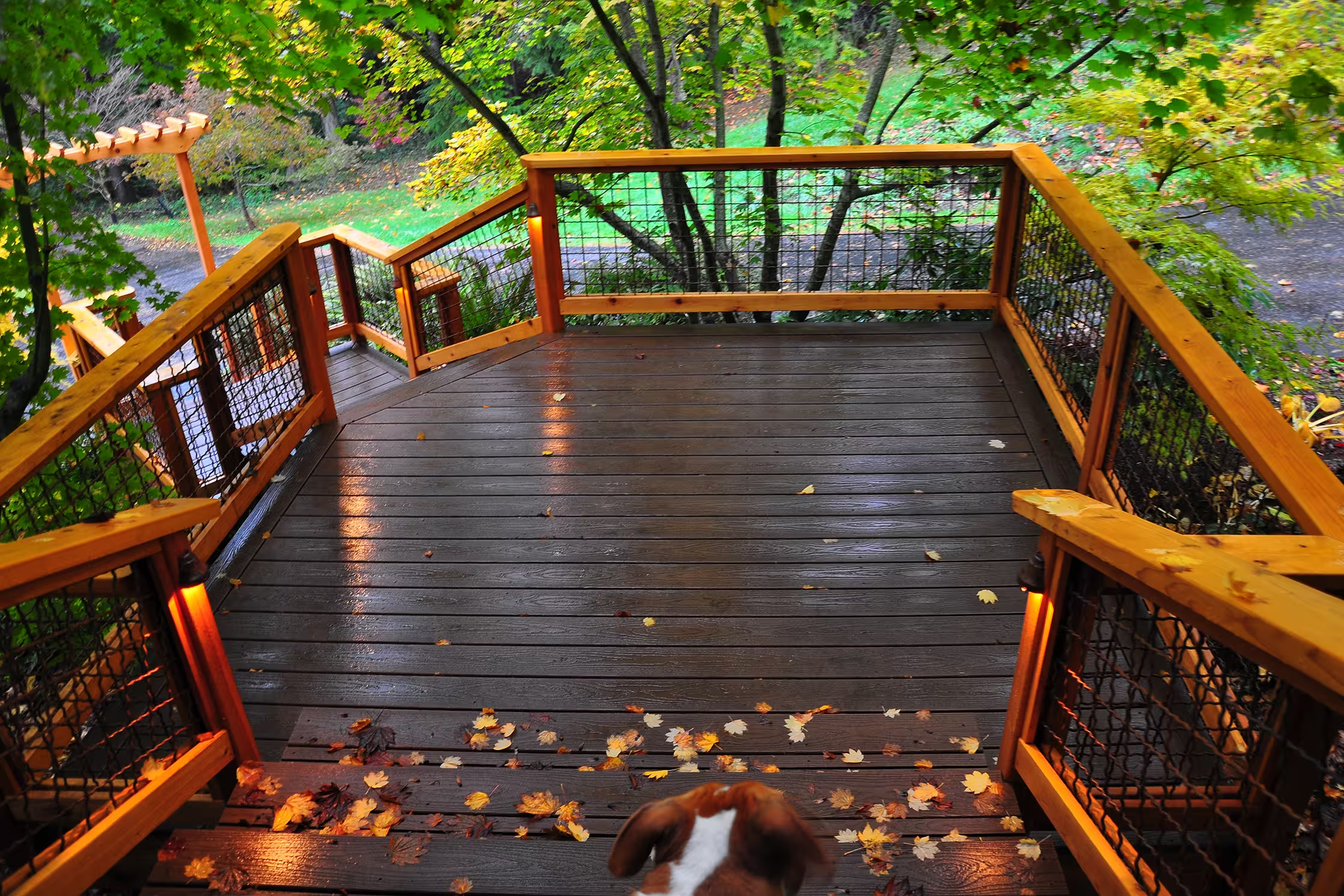
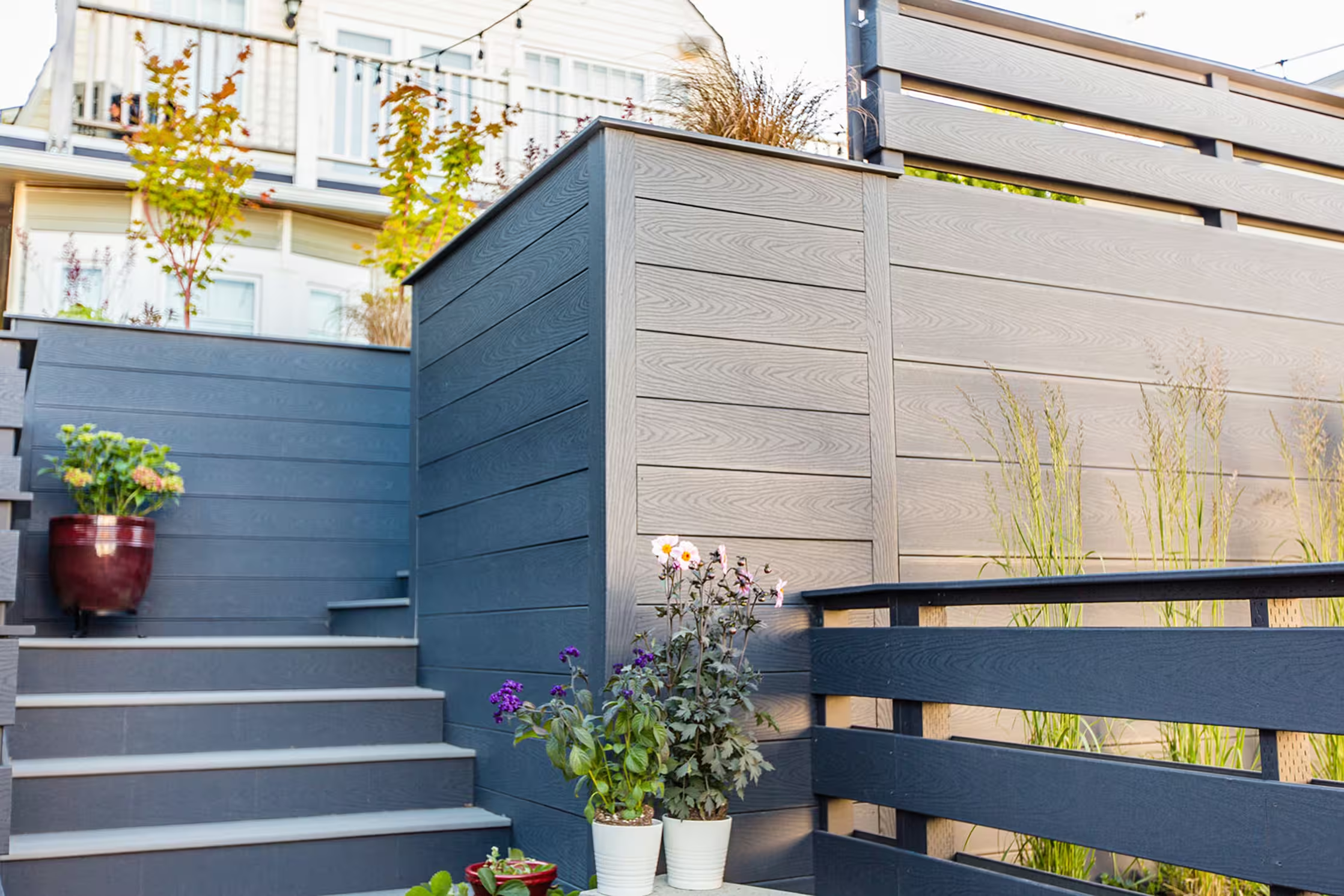
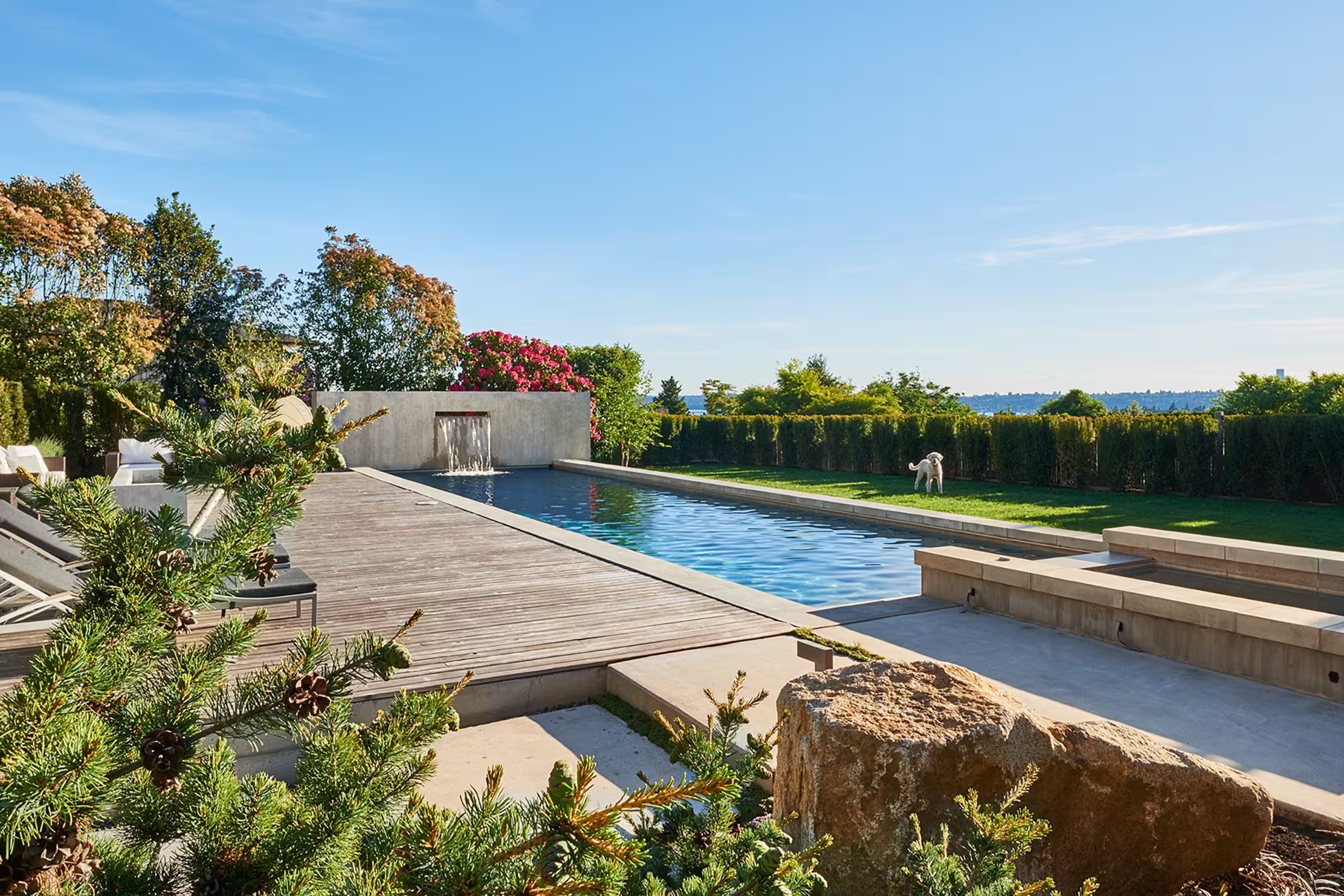
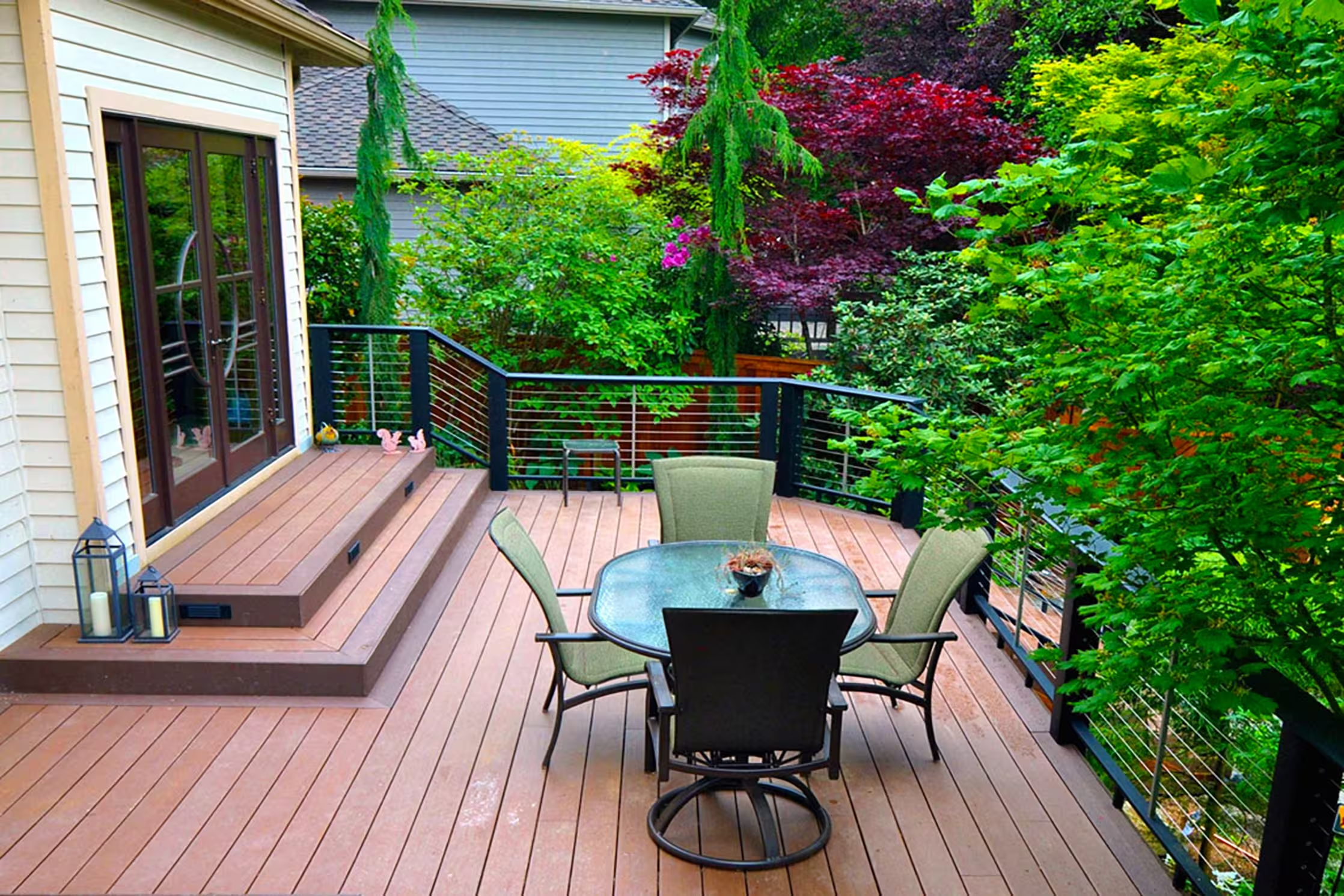
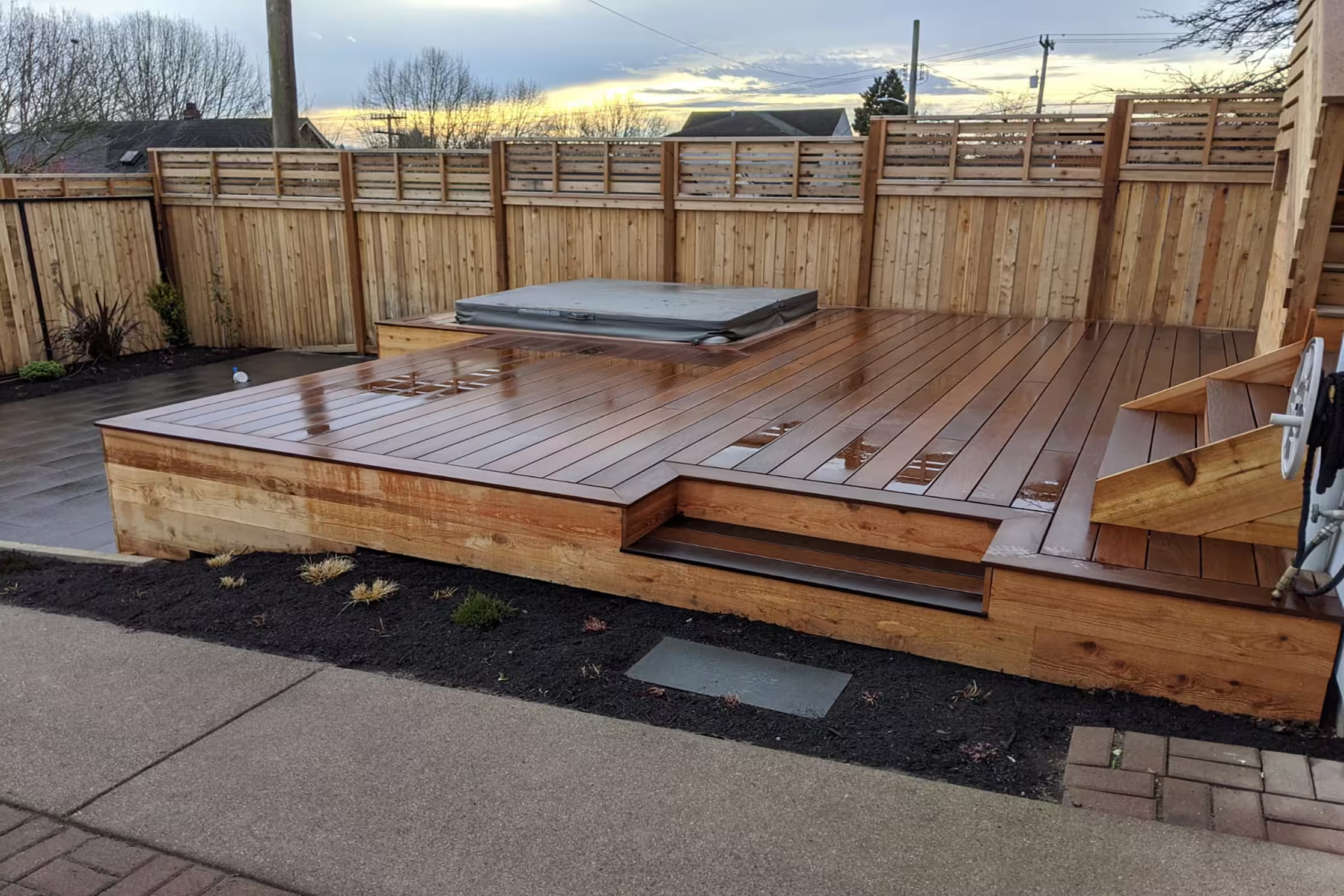
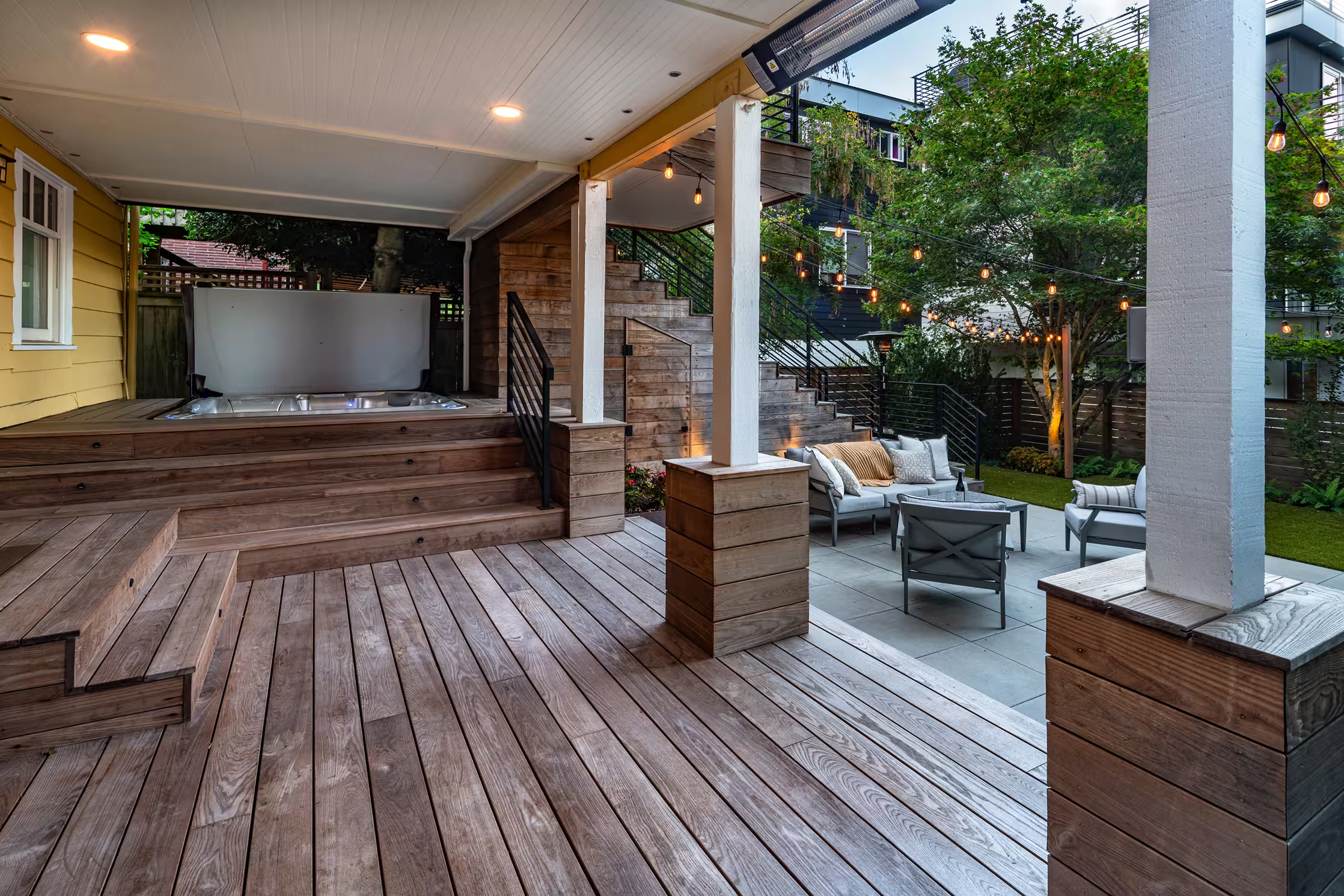
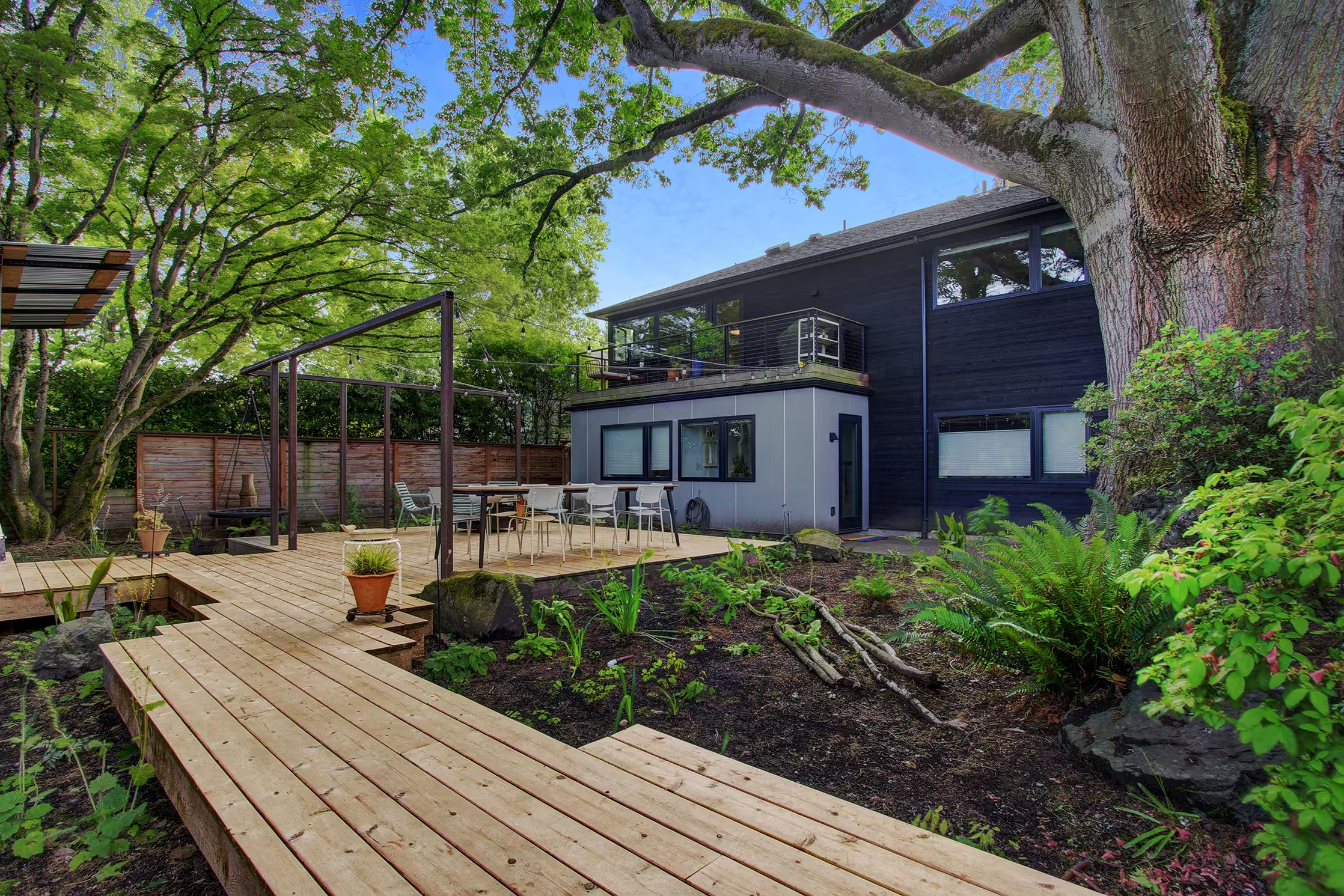
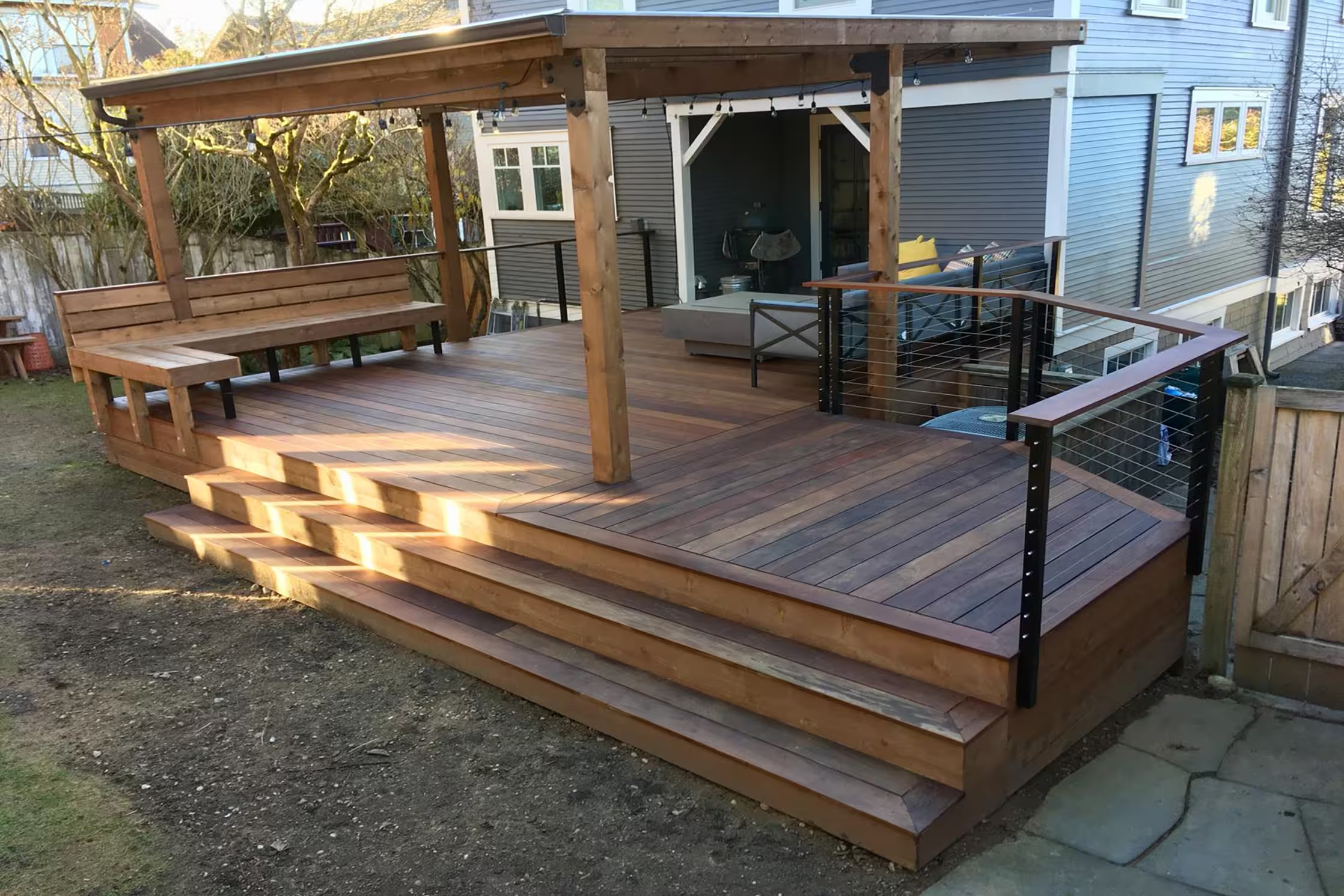
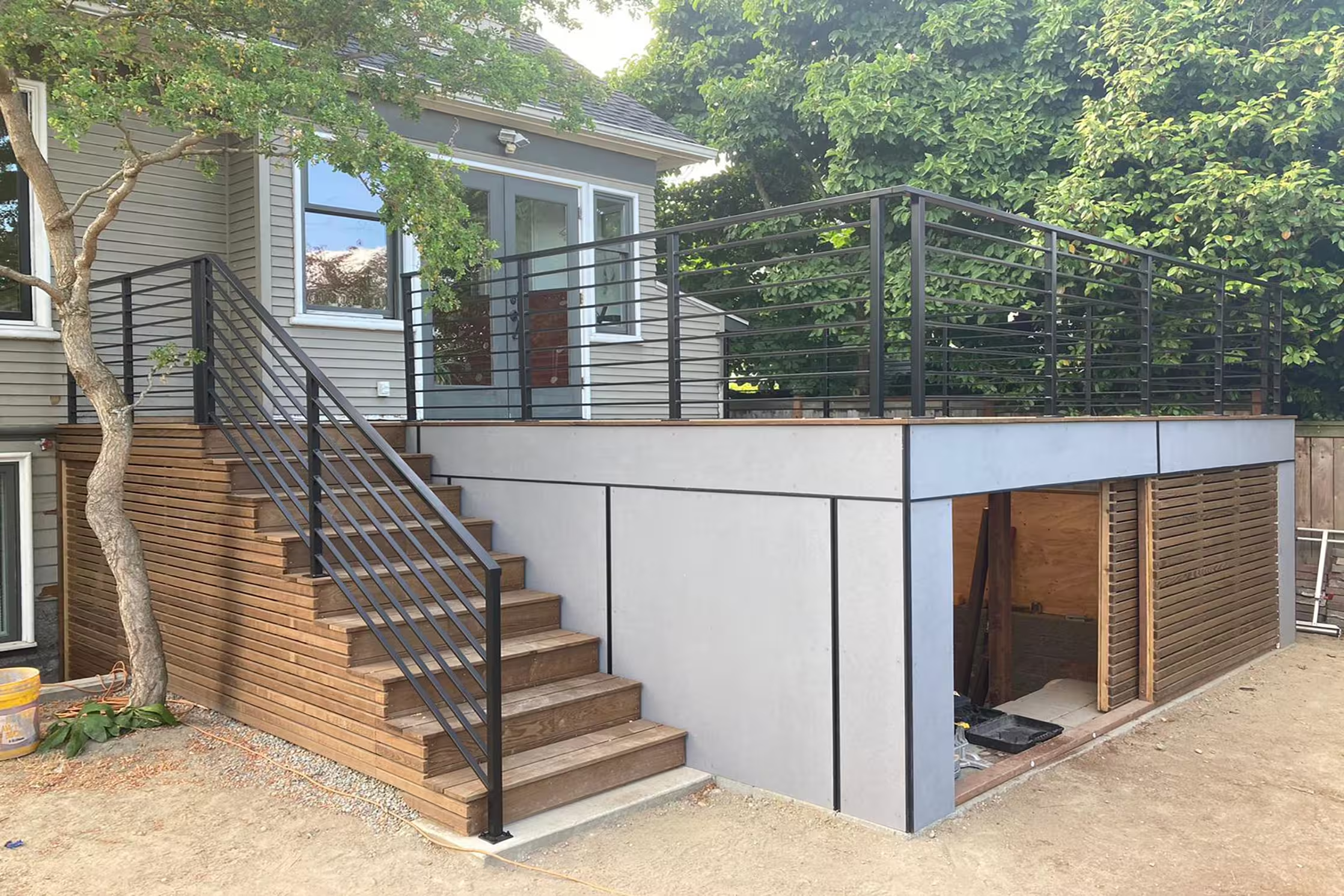
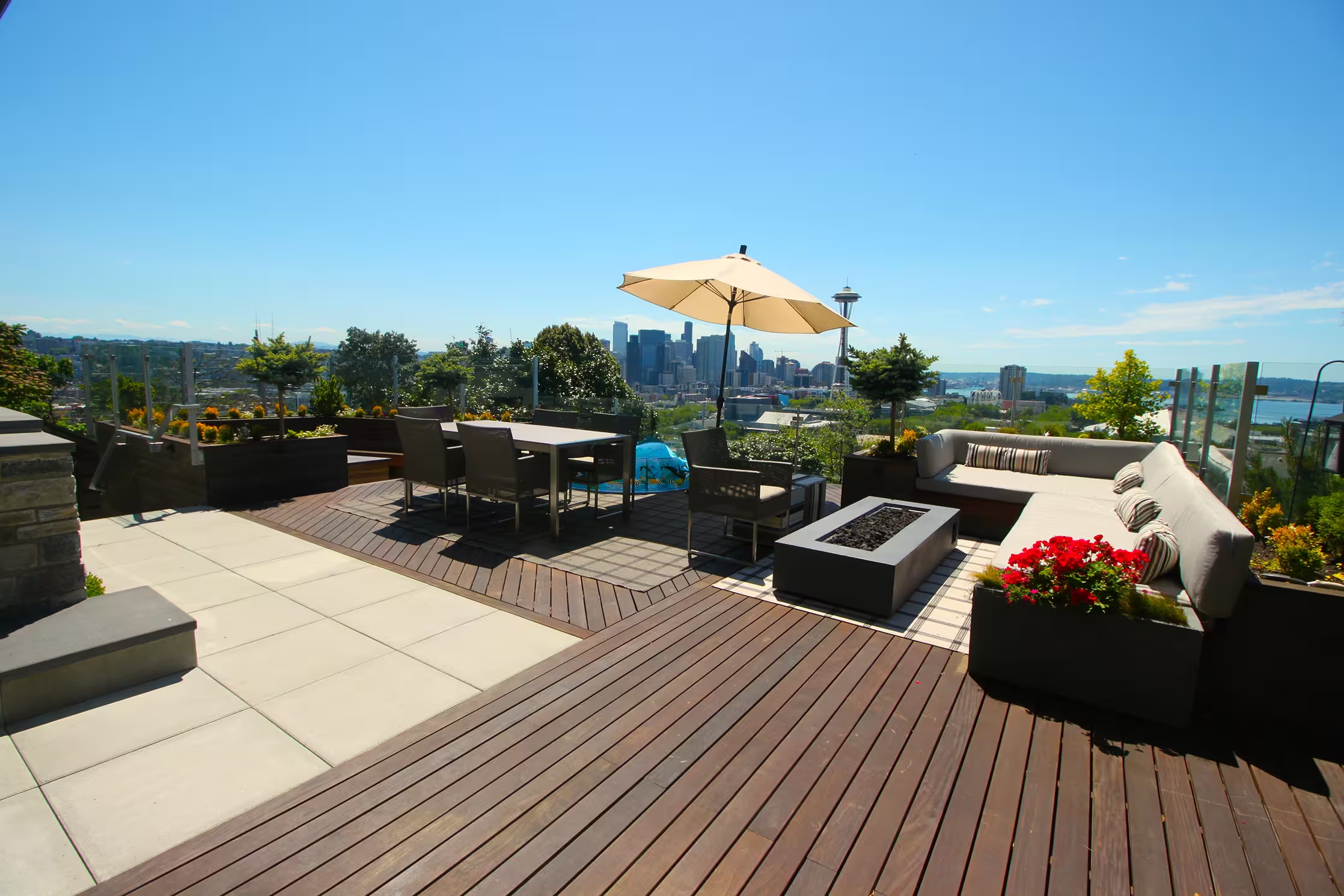
A deck ties the inside and the outside together in a way that almost nothing else does. It's a barefoot surface — one you can walk out onto in your socks — and it functions as a true expansion of your interior living space. For single-family homes, it's the heart of indoor-outdoor living, and it's usually where the good times happen: outdoor furniture, fire pits, kitchen gardens, barbecue stations. Decks also open up views, and if the deck sits high enough, the space underneath becomes usable living area or storage. They can be remarkably multifunctional.
We really love the idea of building decks small and smart — ergonomically focused, maximizing use in a minimal amount of space. Some clients want the more expansive open deck, and those have their own versatility, so we build those too. But the size question deserves real thought, because one of the most common mistakes we see is a deck built too large, eating away at the rest of the garden.
What makes a deck work is the detail behind it:
After roughly 400 deck projects, we've learned a lot of those lessons already — and we're no longer making those same mistakes. All the little tricks like that are what makes a project successful or not.
We really try to push people toward legacy decks — meaning materials that will last 40 years or longer.
We build a lot of dry deck spaces using systems like DeckDrain, a rubber membrane installed over the framing. It does two things: it creates a usable dry space underneath for storage or more living area, and it protects your framing from rot virtually forever.
In a Seattle climate, that second floor of usable square footage is often the difference between a deck and a whole new part of the house.
One recent build centered on thermally modified wood throughout, topped with custom cantilevered pergolas — the kind of structure that reads as architecture rather than an add-on, and gives the space definition without closing off the sky.
Another was a multi-story deck with a dry deck system below, which let us finish the lower level completely into usable living space. On the upper deck, we built Corten steel planters that doubled as the railings — so the homeowner's kitchen herbs and her favorite flowers were right there on the deck to enjoy, at hand height, doing the work of a guardrail. That project also included a pedestal paver deck surfaced in porcelain pavers.
That's the standard on every build: excellence, integrity, and heart, from the ground up.
What's the difference between a deck and a patio?
A deck is built on a frame — a structure, elevated off the ground, which means you can create usable dry space or storage underneath. A patio sits at ground level. Decks give you that softer, barefoot surface and an expansion of your interior living space; patios tend to feel more intimate and connected with nature because your feet are on the ground.
How long should a deck last?
We push clients toward legacy decks — materials that will last 40 years or longer. Thermally modified woods like Thermowood and DassoXTR, FSC-certified ipe, composite decking, and pedestal paver systems all fall in that range. Pedestal paver decks essentially last forever by the nature of the material.
What is a dry deck, and do I need one?
A dry deck uses a membrane system installed over the framing so water doesn't pass between the boards. It creates a dry, usable space underneath for storage or living area, and it protects your framing from rot virtually forever. If you have an elevated deck and want that lower level to be worth something, it's worth doing.
Is composite decking better than wood?
It depends on the look and feel you want. Composite and thermally modified wood products are both extremely rot resistant and low maintenance. FSC-certified ipe gives you a natural hardwood with a high-end finish. We'll walk you through the tradeoffs — including the sustainability side — and help you choose based on how you actually plan to use the space.
How big should my deck be?
Smaller than you probably think. The most common mistake we see is a deck built too large, eating away at the rest of the garden. We design small and smart — sized around real furniture layouts, seating flow, and how the family actually uses the space.
Do you handle permits and engineering?
Yes. We do all our engineering in house, along with permitting. We tend to overbuild, with a big focus on safety and long-lasting decks.